



The Rise of the Balcony Oasis
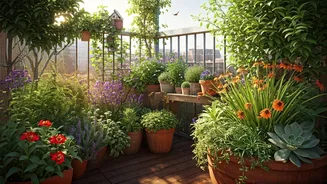
Not long ago, the quintessential urban balcony was a space for drying clothes or storing unused items. Today, it’s increasingly a lush, green sanctuary. This shift has been driven by a perfect storm of factors. A renewed interest in gardening, spurred
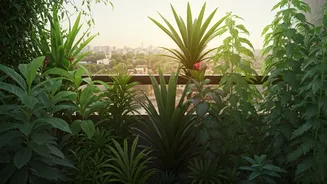
by more time spent at home, has led many city dwellers to rediscover their outdoor spaces. More importantly, there's a growing awareness of our planet’s declining biodiversity. People are no longer just planting for aesthetics; they are planting with a purpose. The desire to connect with nature, even on a small scale, has turned thousands of tiny balconies into crucial pit stops for urban wildlife. This isn't just a hobby; it’s a collective effort to re-wild our cities, one pot at a time.
A Patchwork Ecosystem
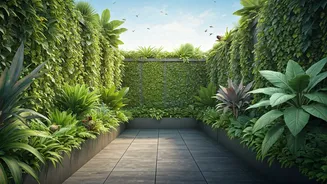
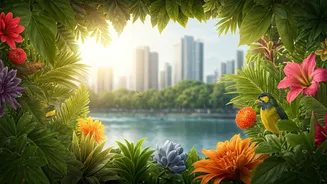
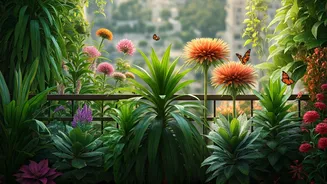
From an ecological perspective, a single balcony garden might seem insignificant. But when you multiply it by thousands across a cityscape, the effect is profound. These individual green patches act like stepping stones, creating a 'green corridor' that allows pollinators and birds to navigate the urban maze. A butterfly might start its day in a large city park, refuel on your hibiscus, and then travel to a neighbour's marigold-filled window box. This network of small-scale havens provides essential food and rest for species struggling to survive in fragmented habitats. It helps maintain genetic diversity and supports the crucial work of pollination, which even city-grown vegetables depend on. Your small balcony becomes a vital link in a much larger, living chain.
How to Attract Butterflies
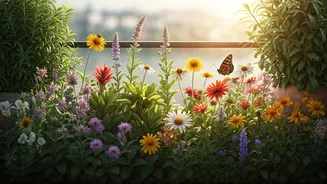
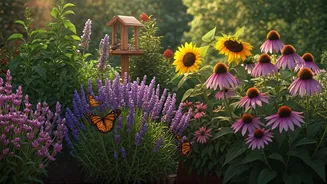
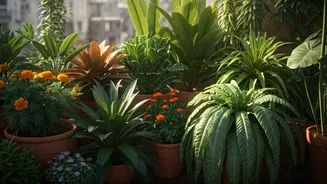
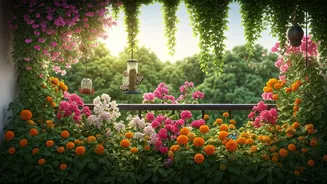
Inviting butterflies is about providing for their entire lifecycle. They need two types of plants: host plants for their caterpillars to feed on, and nectar plants for the adult butterflies to drink from. The good news is that many common Indian plants serve these roles beautifully. For host plants, consider planting a curry leaf tree (kadi patta) in a large pot to attract the Common Mormon butterfly, or a passionflower vine for species like the Tawny Coster. For nectar, butterflies are drawn to clusters of bright flowers. Plant marigolds (genda), pentas, lantana, and zinnias. These are hardy, thrive in pots, and provide a continuous buffet for your winged guests. Remember to avoid chemical pesticides, as they are deadly to caterpillars and adult butterflies alike.
Welcoming the Bees
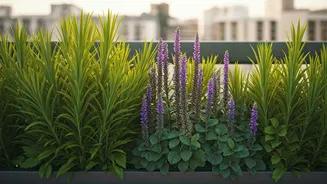
Bees are some of the most efficient pollinators, and attracting them is surprisingly easy. They love fragrant herbs and flowers with simple, open shapes. A pot of flowering tulsi (holy basil) is an absolute magnet for native bees. Other excellent choices include sunflowers, cosmos, and gaillardia. If you grow kitchen herbs like mint or rosemary, allowing some of them to flower will also draw bees in. One of the most important things you can do is provide a water source. A shallow dish filled with pebbles or marbles and a little water gives bees a safe place to drink without the risk of drowning. This simple addition can make your balcony the most popular spot in the neighbourhood for thirsty pollinators.
Creating a Haven for Birds
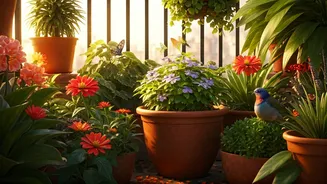
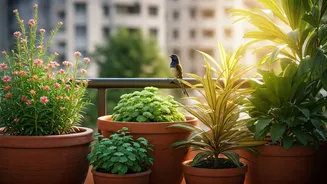
While you might not host an eagle, you can certainly attract smaller urban birds like sparrows, sunbirds, and bulbuls. For nectar-loving sunbirds, nothing beats the trumpet-shaped flowers of hibiscus or cape honeysuckle. Sparrows and other seed-eaters will appreciate it if you let some of your flowering plants, like sunflowers, go to seed. But the single most effective way to attract birds is by providing a clean, shallow water source. A simple terracotta bird bath not only gives them a place to drink but also a spot to cool off and clean their feathers. The sight of a tiny sunbird flitting around your flowers or a sparrow taking a joyful splash is a reward in itself, bringing the sounds and movement of the wild right to your window.