






Why Your Scalp Hates the Monsoon
While we blame humidity for frizz, its main victim is the scalp. The constant dampness in the air disrupts your scalp's natural balance. [17] Sebaceous glands go into overdrive, producing excess oil (sebum). [2, 6] This creates a sticky, greasy environment
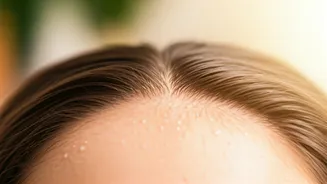
that mixes with sweat and pollutants. [12] This combination clogs hair follicles and creates a perfect breeding ground for bacteria and fungi, particularly a yeast called Malassezia, which is a primary trigger for dandruff. [6, 12, 21] This can lead to a host of problems including persistent itching, greasy flakes, scalp acne, and increased hair shedding. [2, 20]
The Plan: A Scalp-First Cleansing Ritual
Your monsoon hair plan begins with how you wash. The goal is to keep the scalp clean without stripping its natural oils. Opt for a gentle, sulphate-free shampoo to wash your hair 2-3 times a week. [18, 24] If you get caught in the rain, it's crucial to wash your hair as soon as possible to remove pollutants. [14] When shampooing, focus the product directly on the scalp. [7, 25] Massage it in for a few minutes using your fingertips to loosen buildup and stimulate blood flow. [5] Let the lather run down to cleanse the ends, rather than applying shampoo directly to them. Follow up with a lightweight conditioner, applying it only from the mid-lengths to the ends to avoid weighing down the roots. [25]
Choose Your Champion: Scalp-Saving Ingredients
Your product choices matter more than ever during this season. Look for specific ingredients that target common monsoon scalp issues: * **For Fungal Issues & Dandruff:** Ingredients with antifungal properties are your best friends. Look for shampoos or treatments containing Ketoconazole, Selenium Sulfide, or natural alternatives like Tea Tree Oil and Neem. [10, 16] Tea Tree oil, known for its strong antimicrobial properties, can help combat the fungus that causes dandruff. [14, 23] Neem has been an age-old remedy for its powerful antifungal benefits. [10, 23] * **For Exfoliation & Oil Control:** To tackle clogged follicles and excess oil, ingredients that gently exfoliate are key. Salicylic acid is a great chemical exfoliant that helps remove dead skin cells and sebum buildup. [3] Natural options include Apple Cider Vinegar (ACV) rinses, which help restore the scalp's pH balance, and lemon juice treatments, which cut through grease. [10, 23] * **For Soothing Irritation:** If your scalp feels itchy and inflamed, look for calming ingredients. Aloe Vera is excellent for soothing the scalp due to its anti-inflammatory properties. [14, 19] Green tea rinses can also provide antioxidant benefits. [10]
Beyond the Wash: Essential Scalp Support
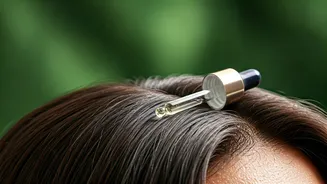
Cleansing is the foundation, but a complete plan includes supportive care. Once or twice a week, consider a pre-shampoo treatment. A gentle massage with a lightweight oil like coconut or almond can nourish the scalp, but be sure to wash it out within a few hours to prevent attracting more grime. [21, 24] Avoid heavy, overnight oiling during the monsoon, as it can create a damp environment that encourages fungal growth. [19] A weekly hair mask can also be beneficial. A mask made with yogurt can help balance the scalp's microbiome with its natural probiotics and lactic acid. [19] Finally, always dry your hair thoroughly, especially at the roots. A damp scalp is an invitation for infections. [18, 19] Use a soft towel and, if necessary, a blow dryer on a cool, low setting.
Common Monsoon Mistakes to Sidestep
Sometimes, what you *don't* do is as important as what you do. Avoid these common monsoon hair care errors: * **Tying up wet hair:** This is one of the biggest mistakes, as it traps moisture against the scalp, creating a haven for fungal growth. [13] * **Overusing heavy styling products:** Waxes, heavy creams, and thick serums can build up on the scalp, clogging follicles and worsening greasiness. [21] * **Skipping conditioner:** While you should avoid the scalp, the lengths of your hair still need moisture to prevent frizz and breakage. * **Aggressive drying:** Rubbing your hair vigorously with a rough towel can damage the hair cuticle, which is already vulnerable and swollen from the humidity. [22]