




The Tyranny of the Timeline
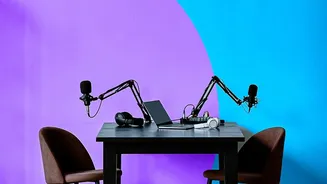
Anyone who has ever produced a podcast knows the reality: for every 30 minutes of polished audio, there can be hours, or even days, of painstaking editing. Traditionally, this meant staring at audio waveforms, manually slicing out long pauses, deleting
every 'um' and 'ah', balancing audio levels, and trying to clean up background noise. This process required not just time, but also technical skill and often expensive software. For an aspiring creator in a city like Lucknow or Jaipur, this barrier could be immense, putting them at a disadvantage compared to well-funded studios in Mumbai or Bengaluru. The sheer effort involved in post-production has been a significant bottleneck, often leading to creator burnout and abandoned projects.
Editing with Words, Not Waves
Enter the AI revolution. A new generation of editing software has fundamentally changed this workflow by transforming audio editing into a text-based process. Tools like Descript and Riverside use AI to automatically transcribe the entire podcast recording. Instead of hunting for soundwaves, a creator can now simply read the transcript, highlight a sentence or a filler word like 'you know', press delete, and the corresponding audio is instantly cut. It’s as intuitive as editing a Word document. These platforms can automatically remove awkward silences, enhance speaker clarity with features like 'Studio Sound', and even generate clips for social media promotion, reducing post-production time by a significant margin.
Bridging the Digital Divide
This technological leap is having a profound impact on creators in India's Tier 2 towns. With affordable data and widespread smartphone use, the appetite for vernacular and hyperlocal content is exploding. AI editing tools democratise the means of production, allowing these creators to meet that demand. They no longer need to invest in a powerful computer or spend months learning complex software. Many AI tools are cloud-based and offer free or affordable subscription tiers, making them highly accessible. This levels the playing field, enabling a solo creator in Coimbatore to produce a podcast with the same polish and efficiency as a professional team in Delhi, focusing their resources on content quality rather than technical hurdles.
From Technician to Creative Director
The biggest benefit of this shift, however, goes beyond just speed. By automating the most tedious and mechanical parts of editing, AI frees up creators to focus on what truly matters: storytelling, research, and audience engagement. Instead of being bogged down as a part-time audio engineer, a creator can invest their energy into being a better host, a sharper interviewer, and a more compelling storyteller. This elevates their role from technician to creative director. It allows for more frequent content production, helping them build momentum and maintain a consistent presence—a key factor for growth in a crowded market. The result is not just faster content, but potentially better and more thoughtful content.
The Future is Hyperlocal and AI-Powered
The fusion of Tier 2 talent and AI-powered tools is set to enrich India's digital landscape. As creation becomes easier, we can expect a surge in high-quality podcasts in regional languages like Hindi, Tamil, Telugu, and others, which are already driving listenership growth. These creators are uniquely positioned to tell stories that resonate with local cultures and experiences, something metro-based media often overlooks. This trend empowers diverse voices that were previously underrepresented, fostering a more inclusive and vibrant podcasting ecosystem. The market, projected to grow exponentially in the coming years, will increasingly be shaped by these empowered creators from every corner of the country.