


What Exactly Is a Larder?
Before refrigerators became a household staple, the larder was a cool, ventilated cupboard or small room used to store perishable foods like meat, milk, and butter. The name itself comes from the old practice of preserving meat in lard. Unlike a pantry,
which was traditionally for dry goods like bread and flour, a larder was all about cool storage. Today, the terms are often used interchangeably, but the modern freestanding larder is a standalone cabinet designed to house everything from spices and cereals to small appliances, all in one dedicated spot.
The Modern Comeback Story
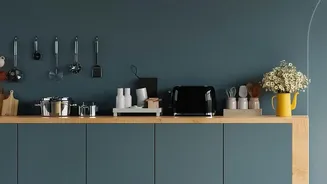
So why are these old-fashioned cabinets suddenly so popular? The trend is part of a larger movement towards the 'unfitted kitchen'. Homeowners are increasingly rejecting the uniform, wall-to-wall look of built-in cabinetry in favour of individual, furniture-like pieces that add personality and character. A freestanding larder can be a beautiful statement piece, adding a pop of colour or a touch of vintage charm. It offers flexibility that built-ins can't; you can move it, or even take it with you when you leave, making it a great choice for renters.
The Power of Thinking Vertically
The single biggest advantage of a freestanding larder is its efficient use of vertical space. In an age of smaller kitchens, building upwards is the smartest way to increase storage without sacrificing precious floor area. These tall, slender cabinets can offer a huge amount of storage capacity within a relatively small footprint. By consolidating food items into one organised hub, you free up valuable counter space and other cabinets, making the entire kitchen feel larger and less cluttered. Everything from everyday essentials to seldom-used appliances can be tucked away neatly behind closed doors.
Organisation at a Glance
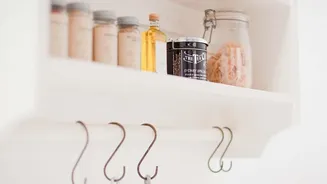
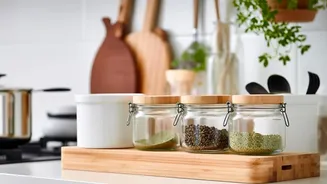
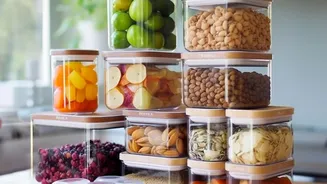
A well-designed larder is a masterclass in organisation. Unlike deep, dark base cabinets where items get lost, a larder presents everything in a clear, accessible way. With a mix of adjustable shelves, drawers, and door-mounted spice racks, every item has its own designated place. This makes it easy to see what you have at a glance, which can help reduce food waste and prevent you from buying duplicates. It allows you to group items by category—like a breakfast station or a baking zone—to streamline your daily routines.
Choosing the Right Larder for You
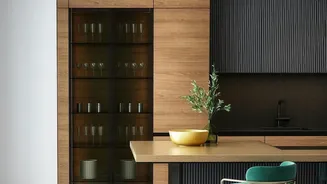
When selecting a freestanding larder, first consider the scale of your kitchen. Measure the space to ensure a good fit that doesn't overwhelm the room. Materials range from classic, warm woods to sleek minimalist designs with glass doors or industrial-style metal shelving. Think about what you need to store. Do you need deep drawers for produce, narrow racks for spices, or open shelving for small appliances? The internal configuration is key to its functionality. Finally, consider its placement. A larder should be positioned for easy access within the natural flow of your kitchen.