


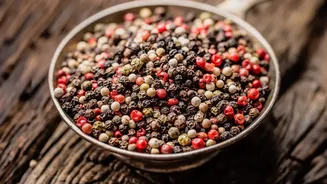
Black pepper, or Kali Mirch, is a staple in every Indian kitchen, but not all peppercorns are created equal. The unfortunate truth is that this ‘king of spices’ is often subject to adulteration, which can compromise both flavour and your health.
Why Your Pepper Needs a Second Look
Black
pepper’s high demand and relatively high cost make it a prime target for fraudulent practices. To increase profits, some suppliers mix pure peppercorns with cheaper, look-alike substances. These adulterants not only dilute the spice's signature pungent flavour but can also introduce harmful elements into your food. Common fillers include dried papaya seeds, which visually mimic peppercorns, as well as light or hollow berries, sawdust, and even chalk or brick powder in ground pepper. Taking a moment to verify the quality of your pepper is a small step that pays big dividends in taste and well-being.
The Common Imposters: Papaya Seeds and More
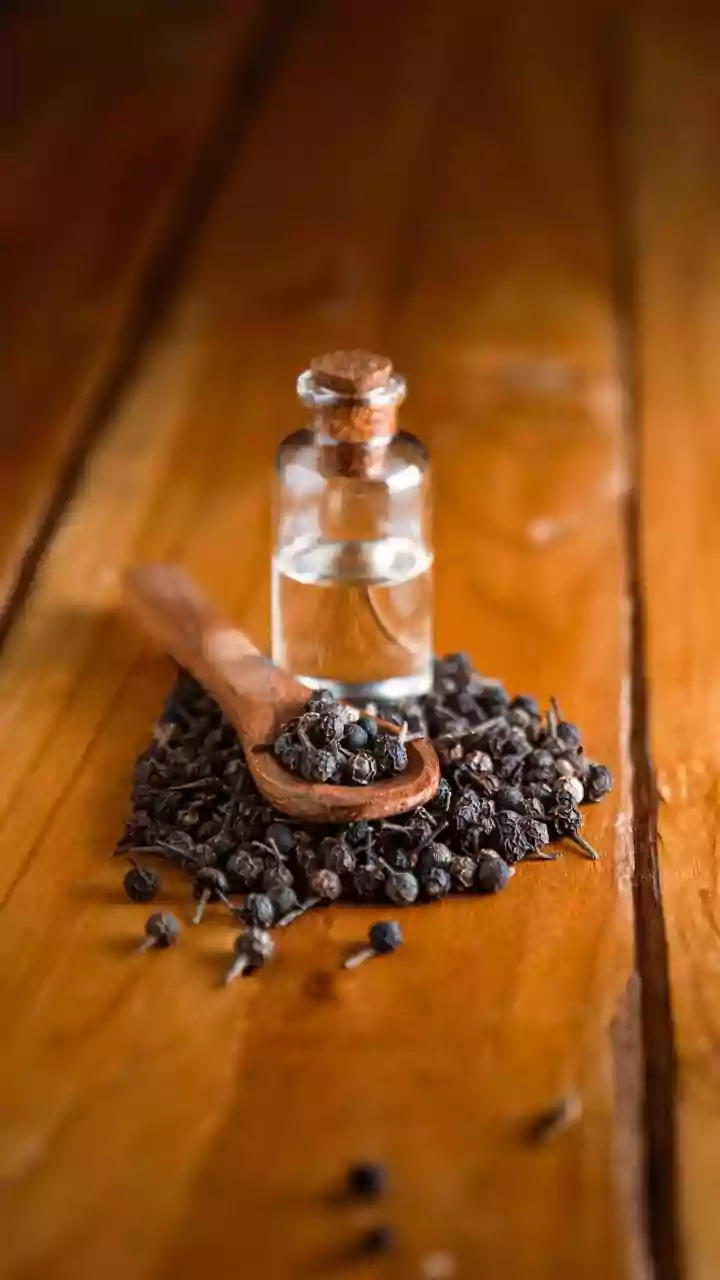
The most common adulterant found in whole black pepper is dried papaya seeds. At a glance, they are strikingly similar in size and colour to real peppercorns. However, they lack the essential oil piperine, which gives black pepper its characteristic heat and health benefits. Another issue is the addition of 'light berries', which are immature or hollow peppercorns that lack a dense core and, therefore, flavour. Some suppliers also coat peppercorns with mineral oil to give them an appealing, shiny black finish. While food-grade mineral oil may be used, industrial-grade oils can contain harmful impurities. For ground pepper, the risks increase, with powders sometimes being bulked up with sawdust, starch, or flour.
Visual and Physical Checks You Can Do at Home
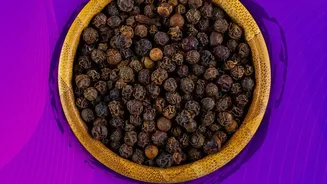
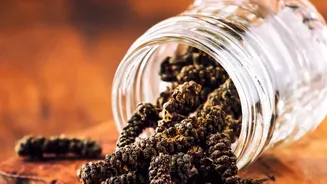
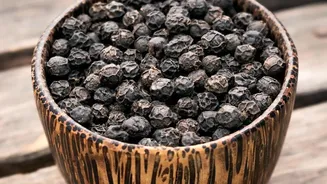
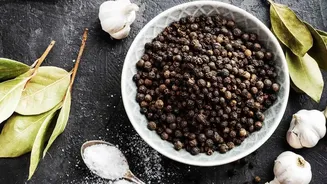
Your eyes and hands are the first line of defence. Pure, high-quality black peppercorns have a distinct appearance. They should be nearly uniform in size, with a dense, wrinkled surface and a dark brown to black colour. Papaya seeds, by contrast, are often slightly oval or elongated and have a smoother, less wrinkled texture. They may also appear greenish-brown or a dull black. Pressing a corn between your fingers is another great test; a genuine peppercorn is hard and will not crush easily. A papaya seed or a hollow, light berry will crumble under pressure. Finally, rub a few peppercorns in your palm. They should release a sharp, pungent, and woody aroma. A weak or musty smell suggests old or low-quality pepper. If you detect a faint kerosene-like smell, it might be coated with mineral oil.
The Simple Water Test
One of the most effective and simplest methods to check for adulteration, recommended by the Food Safety and Standards Authority of India (FSSAI), is the water test. Simply drop a spoonful of whole peppercorns into a clear glass of water. Pure, dense black peppercorns will sink to the bottom. Common adulterants like dried papaya seeds and hollow, light berries are less dense and will float to the surface. If you are testing black pepper powder, pure pepper will settle at the bottom, while any added sawdust will float. While this test is not foolproof for all types of adulteration, it is an excellent first screening for the most common fillers.
Health Risks of Consuming Adulterated Pepper
The consequences of consuming fake pepper range from disappointing flavour to serious health issues. Papaya seeds, when consumed in large quantities as an adulterant, can cause stomach and liver problems. Other fillers like sawdust or chalk powder offer no nutritional value and can irritate the digestive system. The biggest risk comes from undisclosed coatings or colouring agents. Mineral oil can cause gastrointestinal distress, while toxic industrial dyes sometimes used to colour adulterants can have long-term harmful effects on your organs. Given these risks, ensuring the purity of your spices is a crucial aspect of kitchen hygiene.
Tips for Buying Pure Kali Mirch
Being a smart consumer is the best prevention. Whenever possible, choose whole peppercorns over pre-ground powder, as whole spices are much harder to adulterate. When buying, look for trusted brands with proper packaging that includes an FSSAI license number, batch details, and an expiry date. Be wary of peppercorns that look unnaturally shiny or glossy, as this could indicate an oil coating. A suspiciously low price is often a red flag for poor quality or adulteration. By sourcing your spices carefully and performing these simple checks at home, you can confidently enjoy the true, robust flavour and health benefits of pure black pepper.