


The Allure of the Offbeat Monsoon
As the first rains of the season arrive, a new travel trend is emerging across North India. Instead of flocking to popular, often overcrowded hill stations, discerning travellers are venturing off the beaten path. They are discovering that the true magic
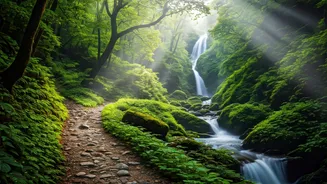
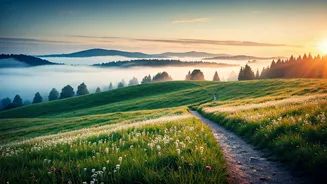
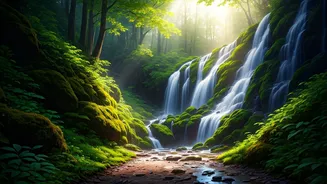
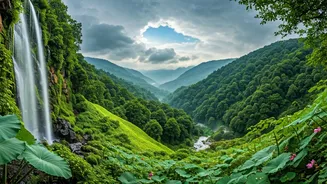
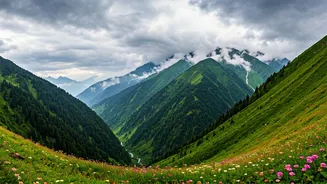
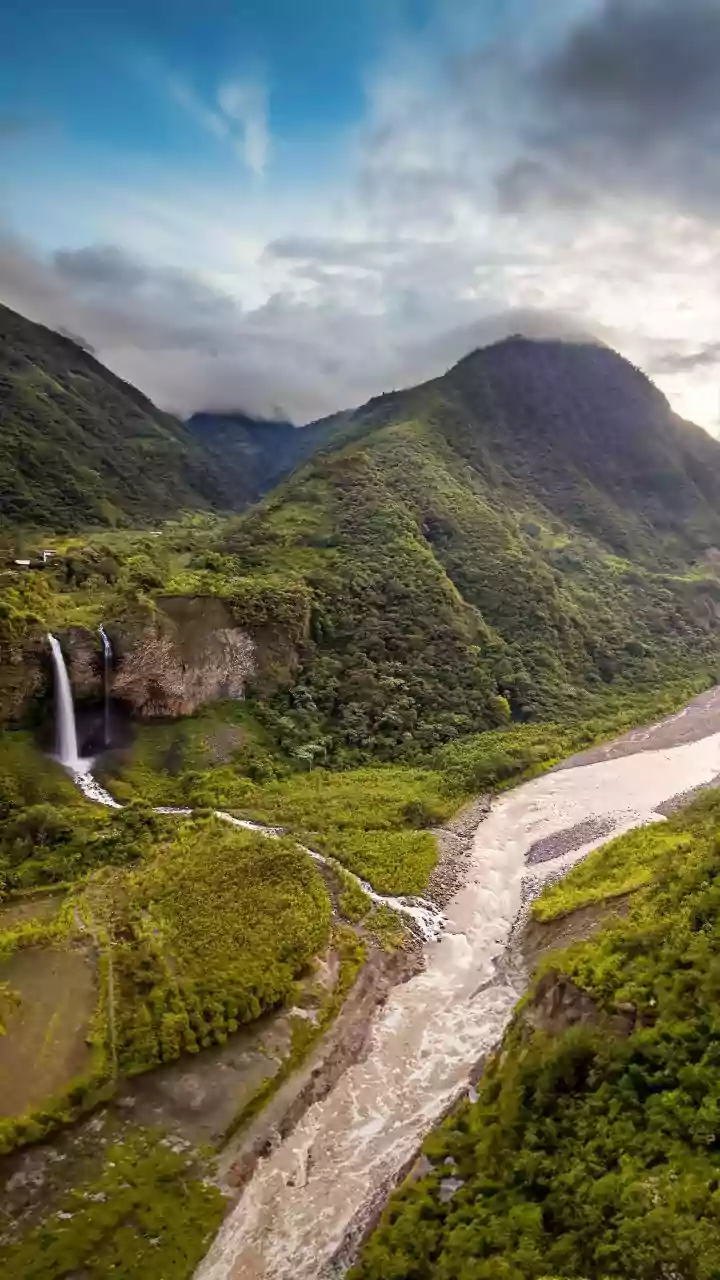
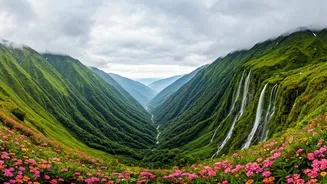
of the monsoon lies in quiet, serene locations where nature's drama unfolds in all its glory. From mist-covered valleys in Himachal Pradesh to lush meadows in Uttarakhand, these hidden gems offer a peaceful respite from city life. The monsoon transforms these landscapes into vibrant green paradises, with gushing waterfalls and clouds floating at eye level, creating an intimate and reflective travel experience. [6]
Tirthan Valley, Himachal: The Riverside Retreat
Tucked away in the Kullu district, Tirthan Valley is a paradise for nature lovers, especially during the monsoon. While the main tourist season ends in June, those who venture here afterwards are rewarded with unparalleled beauty. [15] The Tirthan River, famous for its trout, swells with monsoon rains, and the surrounding forests of the Great Himalayan National Park become intensely green. [15, 19] It's a time for cosy homestays, leisurely walks along the river, and visiting roaring waterfalls like Chhoie Waterfall. [15] While heavy rains in July and August can pose risks of landslides, travelling in the shoulder months of late June and September offers the perfect balance of monsoon beauty and safety. [15, 17]
Shoja, Himachal: The Cinematic Fog
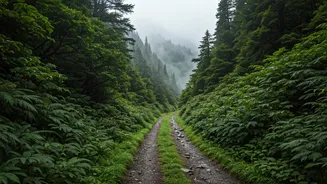
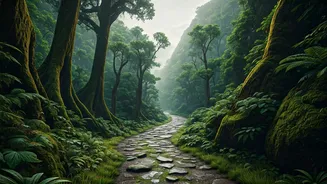
Situated near the Jalori Pass, Shoja is a quiet hamlet that truly comes into its own during the monsoon. The village becomes one of the most atmospheric forest destinations, where fog slowly drapes the deodar forests and rain clouds drift through the valleys, creating a cinematic and peaceful experience. [11] Unlike busier destinations, Shoja offers a slower pace, perfect for those looking to unwind in forest cabins or enjoy a warm drink in a quiet café. [11] The famous Waterfall Point, just a kilometre from the village, becomes particularly thunderous and impressive after the rains. [9] While the weather is pleasant, with temperatures between 15°C and 30°C, the greenery is at its absolute peak. [9]
Chopta, Uttarakhand: The Lush Green 'Bugyals'
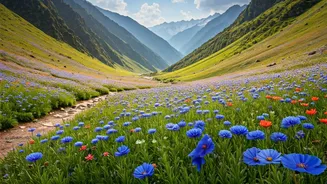
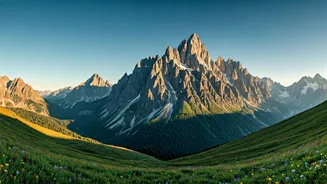
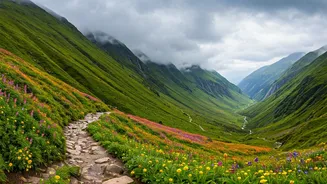
Often called the 'Mini Switzerland of India', Chopta in Uttarakhand is a stunning expanse of lush meadows, or 'bugyals'. [13] During the monsoon, these meadows transform into a vibrant carpet of deep green, dotted with wildflowers. [7] The season, running from July to early September, brings intermittent rainfall and a soulful quietude, as there are far fewer tourists than in peak seasons. [7] It's the base for the trek to Tungnath, the world's highest Shiva temple, which takes on a serene and mystical quality amidst the clouds. [7, 18] For birdwatchers, the monsoon is a fantastic time, as the rain brings the dense forests around Chopta to life with over 200 species of birds. [7, 13]
Fagu, Himachal: The Village of Mist
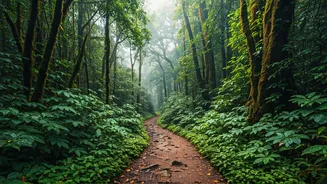
Living up to its name, which is believed to be derived from 'fog', Fagu is a misty retreat located just beyond the popular hub of Kufri. [25] During the monsoon months of July to September, this quiet village is frequently enveloped in a white blanket of clouds, offering a tranquil escape. [25, 31] This is the heart of the region's apple and potato farming, and a visit during this time coincides with the apple harvest season, with orchards laden with fruit. [25] The landscape becomes exceptionally lush and green, making it perfect for nature walks through pine and cedar forests to viewpoints that offer stunning panoramic vistas on clearer days. [25, 31]
Essential Tips for a Safe Monsoon Journey
Travelling in the Himalayas during the monsoon requires preparation. Always check the weather forecast and road conditions before you travel, as landslides can cause blockades. [12, 14] Pack smartly: a good waterproof jacket, quick-drying clothes, and trekking shoes with a solid grip are essential. [14, 26] It's wise to carry a basic first-aid kit, insect repellent, and a power bank. [14, 15] Keeping a couple of buffer days in your itinerary is a great practice, allowing for flexibility in case of travel delays. [12, 14] Most importantly, listen to the advice of locals; they know the terrain and weather patterns better than anyone. [12]