






Start with Official Weather Warnings
Your first step should be to check the official forecast, not just a basic weather app. The India Meteorological Department (IMD) is the most reliable source. The IMD uses a colour-coded alert system to indicate the severity of expected weather. 'Green'
means all is well, 'Yellow' advises you to be aware, 'Orange' means be prepared for potentially disruptive weather, and 'Red' is a take-action alert for severe conditions that pose a threat to life and property. Always check the district-wise warnings for your destination and the surrounding areas, as conditions can vary significantly. An orange or red alert for heavy rainfall is a strong signal to reconsider or delay your travel plans.
Analyse the Terrain's Specific Risks
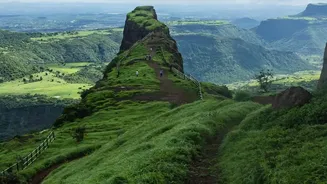
Different destinations face different monsoon threats. Hilly regions like the Himalayas and Western Ghats are highly susceptible to landslides, which are often triggered by heavy rainfall. Areas like Himachal Pradesh, Uttarakhand, and parts of Kerala, Karnataka, and Maharashtra require extra caution. The National Remote Sensing Centre (NRSC) has even published a Landslide Atlas of India, identifying the most vulnerable districts. If you are travelling to these regions, understand that even moderate rainfall can destabilise slopes. On the other hand, plains and coastal areas are more prone to waterlogging and flash floods. Avoid destinations with a known history of severe landslides or floods during peak monsoon months, typically July and August.
Verify Road and Transport Conditions
A safe destination is useless if you can't get there safely. Monsoon rains can damage highways, cause roadblocks, and lead to massive traffic delays. Before you start, check the real-time status of the roads along your entire route. Local police traffic pages and the websites of highway authorities can provide updates on closures or diversions. Avoid driving at night in hilly areas during the monsoon, as poor visibility and the risk of falling debris increase significantly. If you're relying on public transport, be aware that trains and flights can also be delayed or cancelled due to extreme weather, so it's wise to have buffer days in your itinerary.
Consult People on the Ground
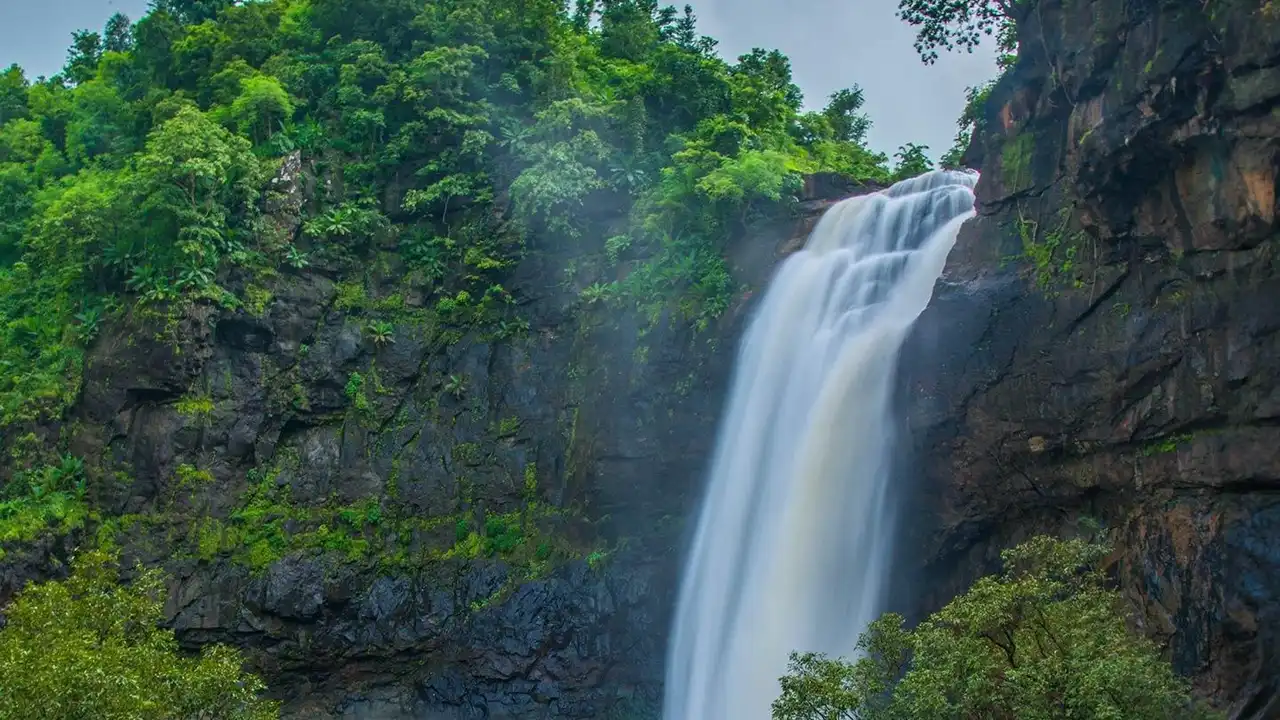
The most current information often comes from local sources. Before and during your trip, speak to your hotel manager, a local tour operator, or other contacts at your destination. They have firsthand knowledge of the immediate surroundings, including the condition of local access roads, the safety of nearby tourist spots, and any advisories issued by local administration. They can tell you if a particular waterfall is overflowing or if a minor road has become unsafe—details you won't find in a national forecast. Their on-the-ground perspective is invaluable for making informed decisions.
Pack an Emergency Kit and Stay Flexible
Monsoon travel demands preparedness. Pack essential items like a waterproof backpack cover, quick-drying clothes, waterproof footwear with good grip, and a first-aid kit with medicines for common ailments like fever and indigestion. It is crucial to protect your electronic devices, documents, and cash in waterproof bags or pouches. Most importantly, maintain a flexible itinerary. Weather can change unexpectedly, forcing you to alter your plans. Book hotels with flexible cancellation policies and be mentally prepared to delay or even cancel parts of your trip if conditions become unsafe. Having a backup plan isn't a sign of a failed trip; it's a mark of a smart traveller.