
The Unignorable Health Halo
Perhaps the most significant driver is the collective shift towards health-conscious eating. Modern consumers are increasingly aware of what goes into their food, and millets fit perfectly into this new wellness paradigm. Unlike snacks made from refined
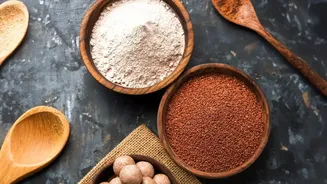
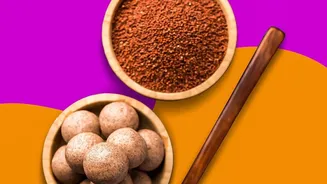
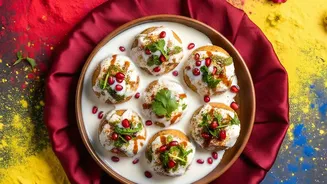
flour (maida), millets are nutritional powerhouses. They are naturally gluten-free, making them suitable for people with sensitivities. Rich in fibre, protein, and essential minerals, they aid digestion and provide sustained energy, preventing the post-snack slump. Their low glycaemic index is another major plus, making them a smarter choice for managing blood sugar levels, a growing concern for many Indian families. During festivals, when overindulgence is common, offering a millet-based snack like ragi ladoos or jowar papdi feels like a balanced, thoughtful choice.
From 'Coarse Grain' to 'Nutri-Cereal'
For decades, millets were often dismissed as 'coarse grains' or food for rural areas. That perception has been systematically dismantled, thanks in large part to government and international initiatives. The Indian government's push, which included declaring 2018 as the 'National Year of Millets', and its proposal to the UN, which resulted in 2023 being named as the 'International Year of Millets', played a pivotal role. This rebranding campaign successfully repositioned millets as 'nutri-cereals', highlighting their benefits for the consumer, the cultivator, and the climate. This top-down promotion created widespread awareness, encouraging urban consumers to reconsider and embrace these ancient grains.
A Playground for Culinary Innovation
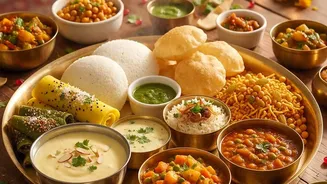
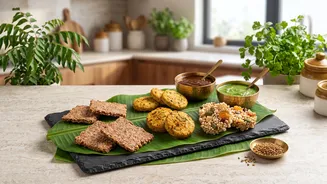
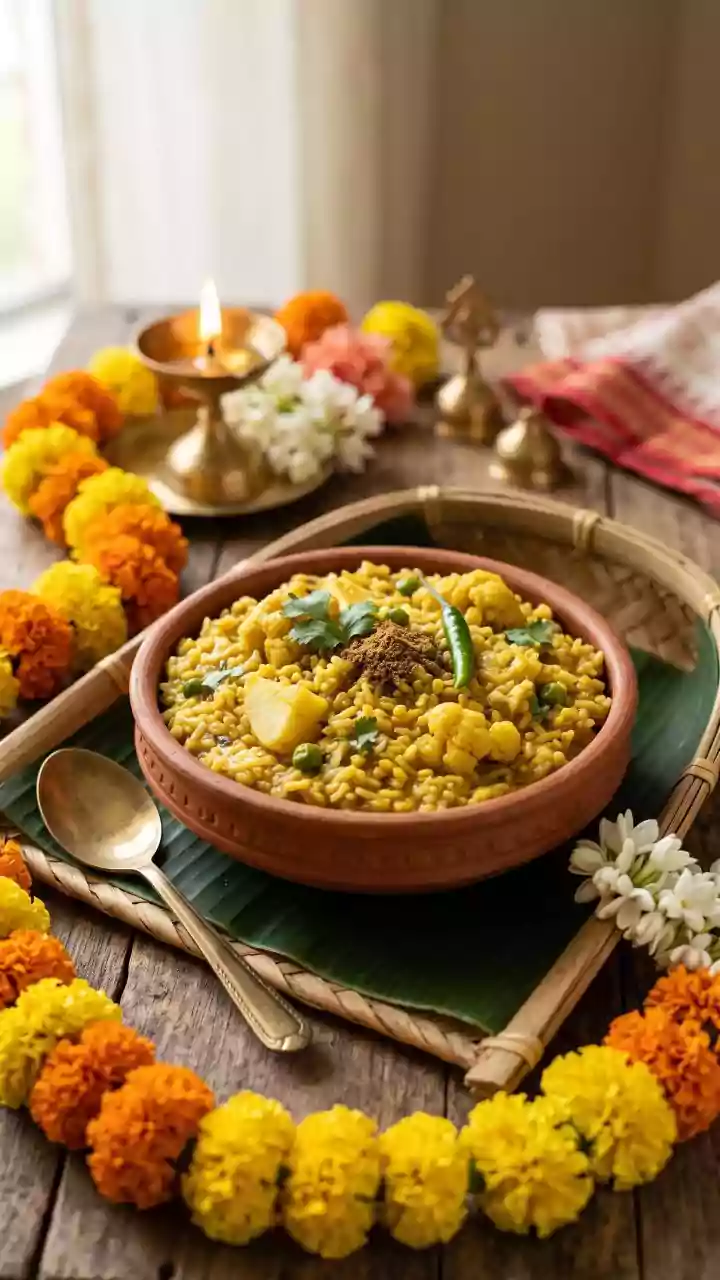
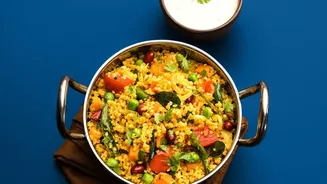
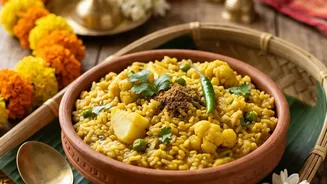
This renewed interest has sparked a wave of culinary creativity. Chefs, home cooks, and food entrepreneurs are no longer limiting millets to traditional preparations like bhakri or porridge. Instead, they are innovating by incorporating millets into familiar and beloved festive formats. Think crispy foxtail millet nippattu, crunchy bajra chivda, and savoury ragi sev. Even traditional sweets are getting a millet makeover, with chefs creating desserts like barnyard millet phirni and foxtail millet payasam. This innovation is crucial; it makes millets accessible and appealing to a modern palate that craves novelty but is rooted in tradition. Food brands have responded by launching a plethora of ready-to-eat and ready-to-cook millet products, from cookies and chips to pasta and noodles, making it easier than ever to add them to the festive pantry.
Sustainability and Modern Convenience
Beyond personal health, there's a growing appreciation for the environmental benefits of millets. These grains are climate-resilient, requiring significantly less water and fewer pesticides than rice and wheat. For the eco-conscious consumer, choosing millets feels like a responsible decision that supports sustainable agriculture and small farmers. This aligns with a broader desire for authenticity and a connection to our roots. The rise of millet snacks is also a story of convenience. The wide availability of millet flours and packaged snacks in supermarkets and online stores means that preparing or serving a healthier festive option is no longer a complicated chore. It's a simple switch that caters to a modern lifestyle that values both health and ease.