






For years, the playbook for new Indian brands was simple: win Mumbai, Delhi, and Bengaluru. But the game is changing. Direct-to-consumer (D2C) companies are now looking past the metros, finding their next wave of growth in India's smaller towns.
The Saturated Metro Battlefield
India's
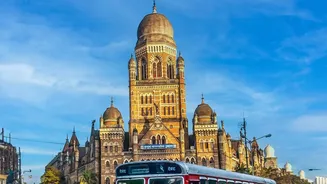
top metropolitan cities have long been the primary focus for consumer brands, but this concentration has created a hyper-competitive and expensive environment. The cost of acquiring new customers through digital advertising has skyrocketed as hundreds of brands compete for the same urban, high-income eyeballs. This saturation means that even well-funded D2C companies are finding it difficult to achieve profitable growth. The fight for attention on social media platforms and search engines in these Tier 1 markets leads to diminishing returns, forcing brands to spend more for each new sale. This economic pressure is a key factor pushing founders to look for untapped markets where their marketing budgets can go further and build a more loyal customer base.
The Rise of a New Consumer Class
The real story behind this strategic shift is the economic transformation happening in what is often called 'Bharat'—India's non-metro and rural regions. Over the last few years, Tier 2 and Tier 3 cities like Jaipur, Lucknow, Indore, and Surat have seen a significant rise in disposable income and aspirational spending. Recent data shows this clearly: a staggering 66% of new orders for D2C brands in FY26 came from these smaller cities, which also contributed 60% of the incremental growth in sales value. This isn't just about more people coming online; it's about a fundamental change in purchasing power and consumer desire. Shoppers in these cities are no longer just buying essentials; they are seeking premium products, wellness items, and lifestyle brands that were previously out of reach.
Digital Access Unlocks 'Bharat'
The combination of affordable smartphones and some of the world's cheapest mobile data has effectively closed the digital divide. With internet penetration growing much faster in rural areas than in saturated urban centers, millions of new consumers are coming online every year. For D2C brands, this represents a direct channel to a massive, previously inaccessible audience. However, reaching them requires a different approach. Successful brands are moving beyond English-only marketing, creating content in regional languages that resonates with local culture and context. This linguistic and cultural customisation is proving essential for building trust and driving sales in markets where consumers may be new to e-commerce.
The Infrastructure That Makes It Possible
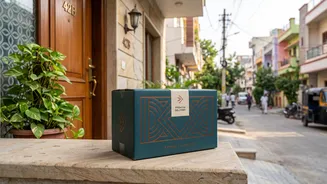
A great marketing campaign is useless if you can't deliver the product. For years, logistical challenges and a lack of reliable digital payment options made serving non-metro India difficult. That has changed dramatically. The Unified Payments Interface (UPI) has revolutionized digital transactions, making online payments frictionless and building confidence among firsttime buyers. Simultaneously, a new generation of logistics companies, alongside initiatives like the Open Network for Digital Commerce (ONDC), is building a robust delivery infrastructure that extends to thousands of pin codes. Improved lastmile delivery and warehousing mean that a customer in a small town can now receive an order almost as reliably as someone in a major city, making D2C a viable option nationwide.
From Niche Digital Players to Mainstream Brands
Initially, the D2C model allowed brands to bypass traditional retail and connect directly with a niche online audience. The move into Tier 2 and Tier 3 cities marks the next stage of their evolution: becoming mainstream, household names. Some brands, like Lenskart and Nykaa, are even complementing their online strategy with physical stores in these smaller cities. This 'omnichannel' approach helps build trust, allows customers to experience products firsthand, and solidifies a brand's presence in the local market. By building an authentic connection with this new and rapidly growing consumer base, D2C companies are not just finding more customers—they are securing the future of their brands in an increasingly diverse Indian retail landscape.