




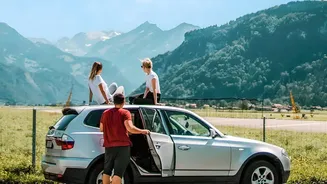
The great Indian annual vacation is getting a makeover. Instead of one long break, a new travel habit is emerging: frequent, short, and spontaneous getaways. This shift is redefining tourism, especially for those living in major urban hubs.
The Rise of the 'Micro-Vacation'
The classic
two-week family holiday, planned months in advance, is no longer the only way Indians travel. A significant trend is gaining momentum: the 'micro-vacation', a short trip of two to four days, often taken over a long weekend. This shift is driven by a desire to escape hectic urban life more often, even if for shorter periods. Data shows a clear preference for these quick breaks, with one 2025 report noting 58% of Indian travelers opted for short domestic trips. The average domestic trip now lasts just 1.7 nights, indicating that travel is becoming less of a rare occasion and more of a regular habit. This has led to a boom in weekend getaways, with travelers prioritizing experiences and rejuvenation over exhaustive sightseeing itineraries.
Key Drivers Fueling the Trend
Several factors are accelerating this change. First, improved infrastructure, including new expressways and the expansion of budget airlines, has made once-distant destinations more accessible. Cities like Delhi and Mumbai are now within a few hours' drive of scenic hills and quiet beaches. Second, the normalization of flexible and remote work arrangements allows professionals to blend leisure with work, extending a weekend without dipping too far into their annual leave. Finally, there's a clear mindset shift. Many, especially younger couples and professionals, now prioritize collecting experiences over possessions, and these short, high-quality trips offer an immediate and repeatable reward. This desire for quick mood-boosting holidays is a powerful motivator.
How Tour Packages Are Adapting
The travel industry has been quick to respond. Traditional, week-long itineraries are being replaced by compact, experience-rich packages designed for 2-3 day trips. These new packages often focus on a specific theme, such as wellness retreats, culinary trails, adventure sports, or heritage walks. You'll find less 'tick-box' tourism and more immersive stays. For example, instead of a whirlwind tour of Rajasthan, a package might now offer a focused 3rday stay at a boutique haveli in Udaipur or Jaipur. Similarly, tour operators are curating packages for specific hubs: from Mumbai, it's all about villas in Alibaug or trekking in Lonavala; from Bengaluru, it's coffee plantation tours in Coorg or Chikmagalur; and from Delhi, heritage stays near Neemrana or spiritual retreats in Rishikesh are popular.
From Major Hubs to Weekend Hotspots
India's major metropolitan areas have become launchpads for this travel revolution. For Mumbaikars, the proximity to Lonavala, Alibaug, and Igatpuri makes for an easy escape from city life. Delhiites are wellplaced to explore the Aravalli hills, heritage sites like Agra and Neemrana, or hill stations such as Rishikesh and Lansdowne. For those in Bengaluru, the green hills of Coorg and Nandi Hills, the royal city of Mysuru, and the coffee estates of Chikmagalur are all popular weekend destinations. Meanwhile, Chennai residents often head to the Frenchinspired streets of Pondicherry or the historic shores of Mahabalipuram for a quick break. These driveto destinations are seeing a surge in popularity, especially among groups and families.
The Spontaneous Traveler
Another defining feature of this trend is spontaneity. The booking window for these trips has shrunk dramatically. Where travelers once planned weeks in advance, many now book a weekend getaway just seven to ten days prior, and sometimes even on the same day. One travel report from 2026 found that over a third of domestic flight bookings were made within three days of travel. This lastminute planning is enabled by the ease of online booking platforms and a desire for flexibility. Travelers check weather forecasts and work schedules before committing, turning travel into a more dynamic and less rigid activity. This benefits not only travelers but also hotels and homestays, which can manage demand more effectively.