




A Return to the Roots
For years, modern Indian cuisine was often about spectacle—liquid nitrogen, foams, and deconstructions that borrowed heavily from global trends. While exciting, this sometimes overlooked the incredible diversity of ingredients available within India itself.
Now, a powerful shift is underway. Leading chefs are championing a new kind of modernity, one that is deeply rooted in heritage and provenance. Instead of relying on imported avocados and quinoa, the new luxury is a specific heirloom grain from a small farm, a forgotten souring agent from a coastal region, or a wild leaf foraged from a local forest. This festive season, menus are reflecting this confidence, moving away from generic “Indian” food and celebrating micro-regionality with pride. The focus is on telling the story of an ingredient, honouring its origins while presenting it in a fresh, contemporary context.
The Mighty Millet Makes a Comeback
Once considered “poor man’s grain,” millets are now at the forefront of this culinary renaissance. Chefs like Sanjeev Kapoor and Anahita Dhondy have been instrumental in popularising these ancient grains, citing their immense nutritional benefits, sustainability, and versatility. In the lead-up to the festive season, these grains are being transformed into sophisticated dishes that go far beyond simple rotis. You might find millet-based laddoos offering a healthier, fibre-rich alternative to traditional sweets, as suggested by Chef Kapoor. Elsewhere, millets are appearing in everything from risottos and salads to elegant desserts. This revival is not just a trend; it's a celebration of India's agricultural biodiversity and a nod to eating habits that are both traditional and incredibly relevant today.
Forgotten Flavours, Reimagined
Beyond millets, chefs are digging deep into India’s larder to unearth ingredients that have long been overlooked by mainstream fine dining. Sour fruits like kokum are being used for more than just curries; their clean, tart flavour is finding its way into sorbets, marinades, and complex sauces. Other once-obscure items like kalpasi (stone flower), known for its smoky aroma in Chettinad cuisine, are being used with greater precision to add depth to new creations. This exploration extends to the plant world, where jackfruit is being treated with the same reverence as prime cuts of meat, and lotus root is being reimagined in countless ways. These ingredients, once confined to regional or home kitchens, are now the stars of festive menus, offering diners a taste of India that is both surprising and deeply authentic.
Sweets Get a Thoughtful Makeover
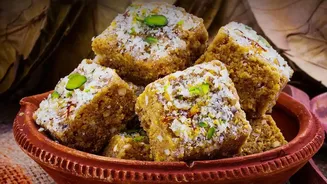
Festive celebrations in India are incomplete without mithai, but here too, innovation is bubbling. While the emotional connection to classics like kaju katli and laddoo remains strong, there's a clear move towards upgrading them for modern palates. This isn't about replacing traditional sweets, but refining them. Some mithai makers are experimenting with natural sweeteners like jaggery and dates instead of refined sugar. Others are creating new flavour profiles for classics, such as the pistachio, hazelnut, and even kunafa-flavoured modaks seen during recent Ganesh Chaturthi celebrations. Chef Sanjeev Kapoor advocates for simple swaps, like baking or air-frying gujiyas instead of deep-frying them, to make festive indulgence a little lighter without sacrificing the soul of the dish. The result is a festive platter that honours nostalgia while embracing a more conscious approach to sweetness.