



The Science of a Heavy Pot
The secret to that sudden weight gain lies in soil porosity. Potting mix is designed to be light and fluffy, full of tiny air pockets. These spaces are crucial for roots to breathe. When it rains, water fills these pockets, displacing the air. A typical
potting mix can hold a large percentage of its volume in water. For instance, a 10-gallon pot can gain over 25 kilograms in weight when fully saturated compared to when it's dry. Suddenly, you’re not just lifting soil and a plant; you’re lifting a container full of water, which weighs about one kilogram per litre. This explains why a large planter that feels manageable on a dry day can become a two-person job after a monsoon shower.
More Than Just Weight: The Real Danger to Plants
The added weight is a nuisance for you, but it’s a genuine threat to your plants. When soil is waterlogged, the air pockets that roots need for oxygen are completely filled with water. Without oxygen, roots can't function properly; they essentially start to drown. This condition, if prolonged, leads to root rot, a fungal disease that thrives in damp, oxygen-deprived environments. The initial signs of a waterlogged plant can be misleadingly similar to an under-watered one: yellowing, wilting leaves. This happens because the decaying roots can no longer absorb water and nutrients, even though the soil is saturated. The constant moisture also creates a breeding ground for other fungal diseases and pests that are drawn to stressed plants.
Check and Improve Your Pot's Drainage
The first line of defence against waterlogging is excellent drainage. Every pot must have drainage holes—no exceptions. If water can’t escape, root rot is almost inevitable. During heavy rains, it’s crucial to ensure these holes aren’t blocked. A simple but effective trick, especially during the monsoon, is to elevate your pots. Placing them on bricks, pot feet, or even old bottle caps creates a small gap between the pot and the ground, allowing water to drain freely instead of getting blocked by mud or a saturated surface. If you use saucers to catch water, be sure to empty them promptly after a downpour. Letting a pot sit in a saucer full of water completely defeats the purpose of drainage holes.
The Right Soil Makes All the Difference
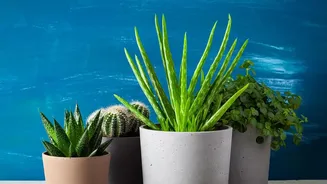
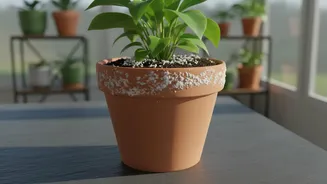
Never use heavy garden soil or topsoil in containers. These soils are dense and compact easily, leading to poor drainage. Always opt for a quality potting mix, which is specifically formulated to be lightweight and porous. For plants that are particularly sensitive to wet conditions, like succulents, or for gardens in very rainy climates, you can further improve the drainage of your potting mix. Amending the soil with materials like perlite (small white volcanic glass) or coarse sand creates more air pockets, allowing water to pass through more quickly. Ingredients like peat moss or coco coir are excellent for retaining some moisture without becoming a soggy mess. The goal is a soil that stays damp, not drenched.
Practical Tips for Rainy Seasons
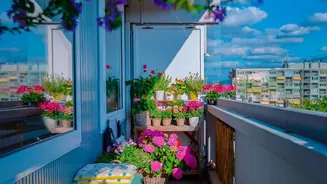
In regions with heavy monsoons, a little extra care goes a long way. If possible, move sensitive or smaller pots to a covered balcony or patio during intense downpours. For larger, immovable pots, gently tilting them for a few hours after a storm can help excess water escape. After a period of rain, gently loosen the top layer of compacted soil with a small fork. This helps aerate the surface and improves drainage for the next rainfall. Finally, be mindful of your watering schedule. With high humidity and regular rain, your plants will need far less water from your watering can. Always check the soil moisture a few inches deep before watering.