






The Urban Squeeze: Why We're All Obsessed with Storage
Walk into any new apartment in Mumbai, Bengaluru, or Delhi, and the reality is clear: floor space is the ultimate luxury. With rising property costs, compact 1BHK and 2BHK flats are the new normal for many urban professionals and young families. This
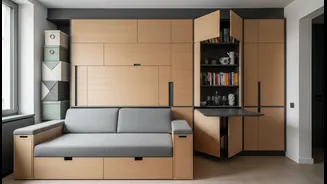
shift has fueled a design revolution focused on one thing: maximizing every square inch. The push for clever storage isn't just a trend; it's a direct response to a lifestyle need. We need our homes to be a sanctuary, a workspace, and an entertainment zone, all within a tight footprint. The answer, designers say, lies in multi-functional furniture and vertical thinking. Think hydraulic beds that swallow up winter quilts, wall-mounted tables that fold away, and floor-to-ceiling wardrobes that use every bit of vertical space.
The Benefits: A Calmer Mind and a Lighter Wallet
The most obvious benefit of mastering small-space design is a tidy, organised home. When everything has a designated place, clutter disappears, making rooms feel larger and more serene. This has a direct psychological benefit; a decluttered environment can reduce stress and improve focus by giving you a sense of control. Beyond mental peace, there are tangible financial upsides. Smaller homes mean lower rent and utility bills. A well-organised space also encourages intentional living and minimalism, curbing impulsive purchases simply because there's nowhere to put them. Finally, less space and fewer possessions translate to easier maintenance, freeing up your time and energy for other things.
The Hidden Risks: Cost, Claustrophobia, and Compromise
While the perfectly curated small flat looks idyllic online, the reality can involve significant risks. The first is cost. Custom modular furniture and high-quality multi-functional pieces can be expensive, with a full 1BHK interior design costing anywhere from ₹2 lakh to over ₹5 lakh. Another risk is poor execution. A badly designed space can feel more claustrophobic and stressful than a slightly messy but open one. Overcrowding a room with too many “smart” gadgets can create visual noise and physical constraints, leading to irritability and a lack of privacy. Studies have linked crowded living conditions to increased stress and social withdrawal. The choice to live small is crucial; when it feels forced rather than chosen, the psychological toll is much higher.
The Reader Takeaway: Your Smart Storage Playbook
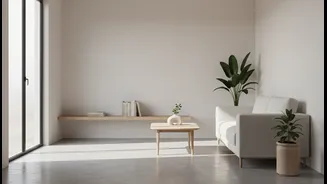
So, how do you reap the benefits without falling into the traps? First, declutter before you design. No amount of smart storage can fix a problem of simply owning too much stuff. Second, prioritise functionality over trends. That cool, complex transforming table might be less useful than a simple dining table with a storage bench. Focus on your actual daily routines. Third, think vertically. Walls are the most underutilised asset in Indian homes. Floating shelves, tall bookshelves, and wall-mounted units draw the eye upward and free up precious floor space, making a room feel more airy. Finally, start with the essentials that offer the most impact: a hydraulic or drawer-storage bed and a floor-to-ceiling wardrobe can instantly add massive amounts of hidden storage.