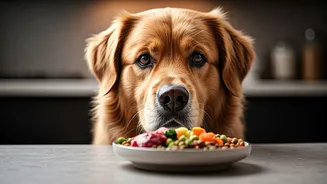






What is the Raw Food Diet?
Often called the 'BARF' diet, which stands for Biologically Appropriate Raw Food, this feeding philosophy is about mimicking a dog's ancestral diet. Proponents believe that modern dogs, being 99.9% wolf from a biological standpoint, are designed to thrive
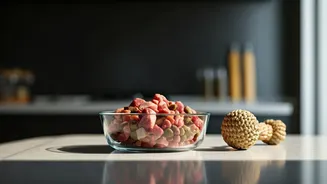
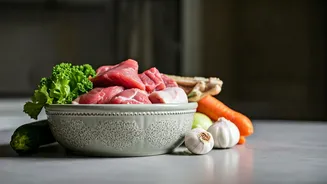
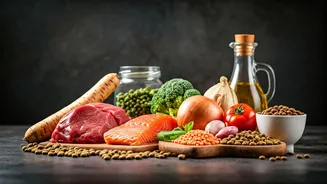
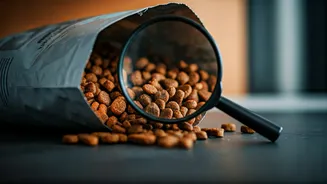
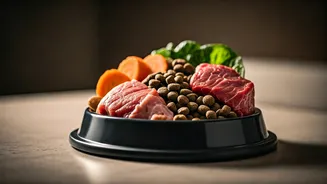
on uncooked foods. A typical raw meal includes muscle meat, raw edible bones, organ meats like liver and kidney, and sometimes a small portion of fruits and vegetables. The core idea is that this method provides nutrients in their most natural and unprocessed state, free from the fillers, grains, and preservatives often found in commercial kibble.
The Pro-Raw Argument: The Reported Benefits
Pet parents who switch to raw feeding often report a host of positive changes. The most commonly cited benefits include a significantly shinier coat and healthier skin, credited to the natural fatty acids in raw meat. Many also observe improved digestion, resulting in smaller, firmer stools, and less gas. Cleaner teeth and fresher breath are another major plus, as chewing on raw meat and soft bones can naturally reduce plaque buildup. Advocates also point to increased energy levels, better weight management, and a stronger immune system as compelling reasons to make the switch.
The Expert's Primary Concern: Bacterial & Parasitic Risks
This is where Indian experts raise the biggest red flags. The primary concern is the high risk of contamination from pathogens like Salmonella, E. coli, and Listeria. Unlike in many Western countries with stringent regulations, India's meat supply chain, especially from local wet markets, can be inconsistent in hygiene and temperature control. A canine nutritionist notes that the high humidity in many Indian cities can create a breeding ground for bacteria on raw meat within minutes. Vets warn that these bacteria pose a threat not only to the dog but also to the humans in the household, with immunocompromised individuals, children, and the elderly being at higher risk of zoonotic transmission. Freeze-drying is not a substitute for cooking when it comes to eliminating these pathogens.
The Indian Context: Climate and Sourcing Challenges
Beyond bacteria, the Indian context presents unique challenges. India's hot, tropical climate makes storing and transporting raw meat safely a significant hurdle. Frequent power outages and inconsistent refrigeration can break the 'cold chain', allowing harmful bacteria to multiply. Sourcing high-quality, hormone-free meat can also be difficult and expensive. Experts point out that while a wolf in the wild eats its prey immediately, the meat bought from a local butcher in India may have been stored for days in less-than-ideal conditions, making it a completely different and far riskier scenario.
Achieving Nutritional Balance: A Difficult Task
Simply feeding a dog raw meat is not enough; a proper raw diet requires careful balancing of nutrients. Canine nutritionists stress that an imbalanced diet can lead to serious deficiencies or excesses over time. For example, a diet of just muscle meat without bone content can lead to a severe calcium deficiency, potentially causing conditions like 'Rubber Jaw' syndrome. Conversely, feeding too much liver can cause Vitamin A toxicity. Many veterinarians argue that formulating a nutritionally complete and balanced homemade meal is not a layman's job and should be done under the guidance of a professional to avoid long-term health problems.
The Verdict: A Cautious and Considered Approach
The consensus among many Indian veterinarians and nutritionists is not an outright ban, but a strong call for caution. They acknowledge the biological concept but find the practical application in India to be fraught with risk. For the average pet parent, the challenges of sourcing certifiably safe meat, ensuring perfect hygiene at home to prevent cross-contamination, and guaranteeing nutritional balance are immense. Some experts suggest that gently cooking the meat to kill pathogens while supplementing with safe, dehydrated (never cooked) bones for calcium might be a safer alternative for those wishing to move away from processed kibble. Commercial raw food brands that maintain a strict cold chain and quality control offer another option, though this comes at a higher cost.