
1. Embrace Soft Furnishings
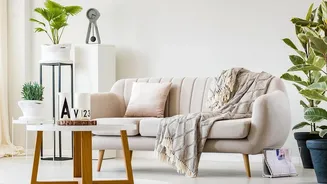
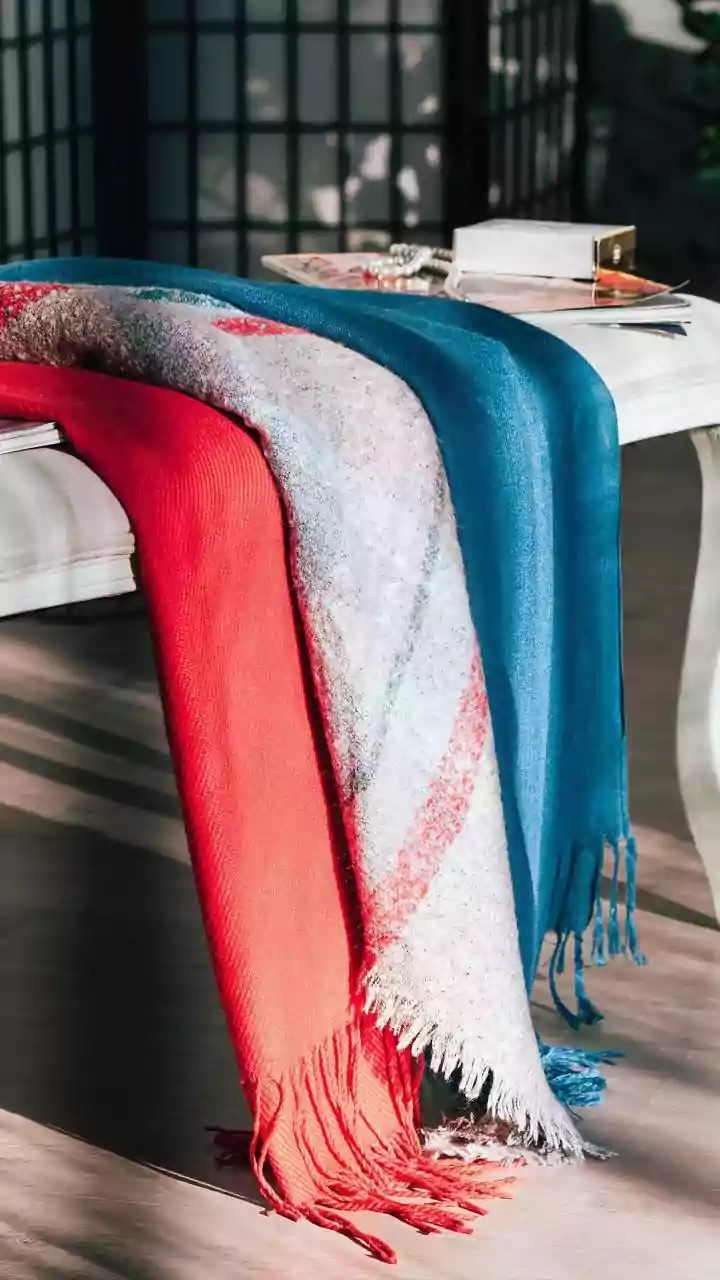
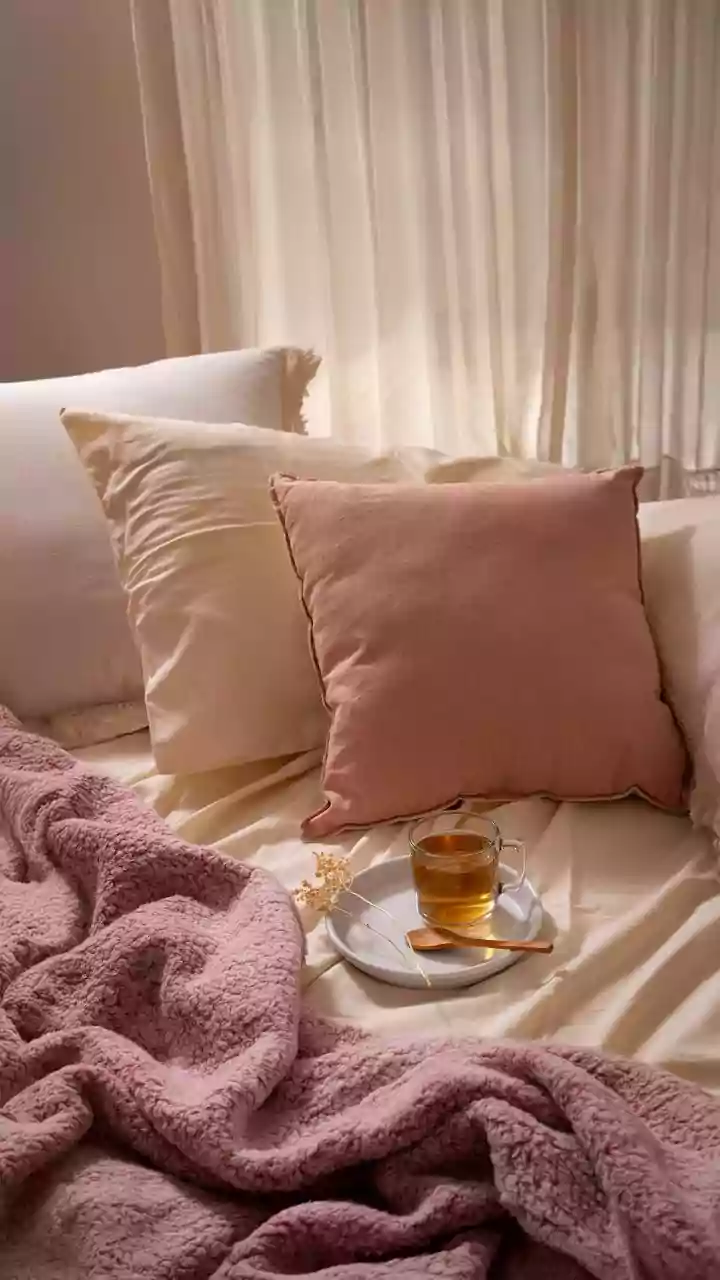
The fastest way to add instant cosiness is by layering soft, touchable textiles. Think beyond standard cotton and introduce fabrics with noticeable texture. A chunky knit wool throw draped over a sofa or armchair immediately invites you to curl up. Cushions
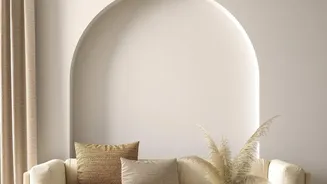
in materials like bouclé, with its looped, curly appearance, have become a staple for adding sophisticated comfort. This fabric is perfect for minimalist interiors because it adds warmth and a sculptural quality, even in neutral shades of cream or beige. Don't be afraid to mix and match. A velvet cushion next to a linen one creates a subtle but engaging contrast that makes the entire seating area feel more inviting and layered.
2. Introduce Natural Woven Fibres
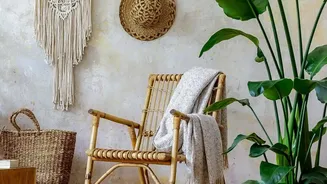
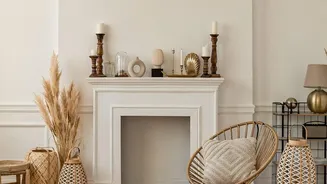
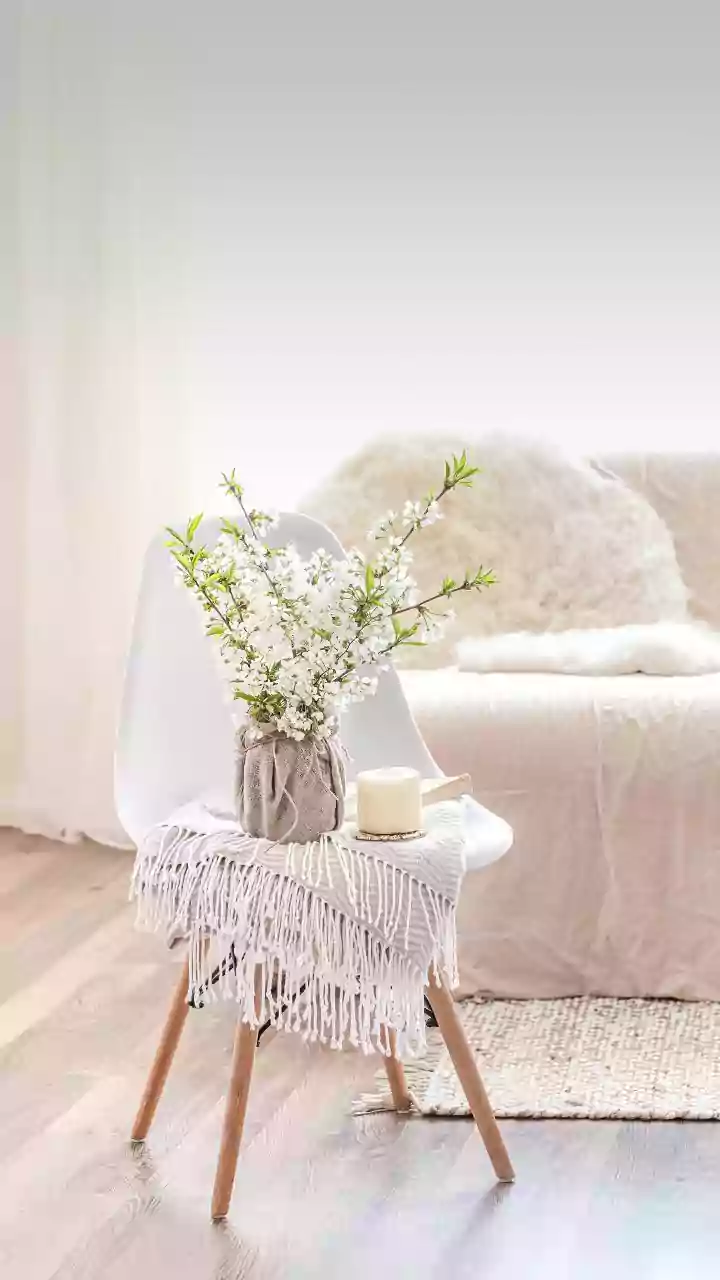
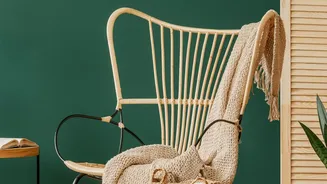
Bring the outside in with decor made from natural, woven materials. Jute, rattan, seagrass, and wicker add an organic, earthy element that beautifully balances the sleek surfaces common in minimalist design. A large jute rug is a perfect anchor for a living room, providing warmth underfoot and a pleasing textural contrast to smooth floors. These materials are not just for floors; consider rattan chairs, woven pendant light shades, or seagrass baskets for storage. These pieces serve a functional purpose while introducing natural patterns and a handcrafted feel, preventing the room from feeling sterile.
3. Add Dimension with Wall Treatments
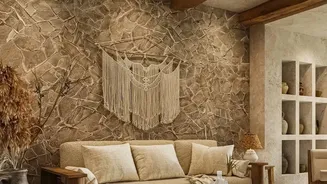
Walls offer a large canvas for adding subtle depth. Instead of a flat coat of paint, consider a textured finish to create a sense of movement and character. Limewash paint, made from slaked lime, provides a soft, matte finish with beautiful, cloud-like variations that change with the light. It gives walls an organic, breathable quality that feels more refined and timeless than many synthetic textured paints. Other options include plaster finishes or textured wallpapers with subtle patterns, like those that mimic natural seagrass or linen. These treatments turn a plain wall into a feature that adds warmth without shouting for attention.
4. Mix Different Wood Tones
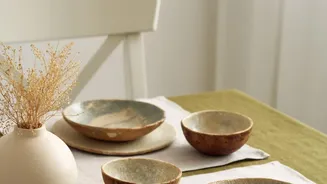
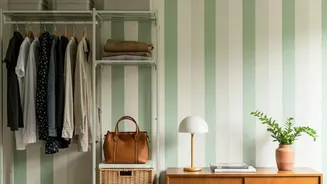
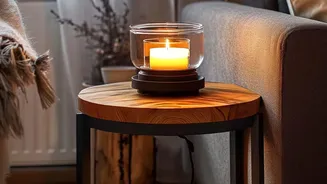
Using a single wood tone throughout a space can make it feel flat. An easy way to add warmth and a curated, lived-in feel is to intentionally mix different woods. The key is to pay attention to the undertones. Start by identifying the dominant wood in your space, which is often the flooring or a large piece of furniture. Then, introduce complementary woods. For example, pair light-toned white oak or ash with the richer, warmer tones of walnut or acacia. This contrast creates visual interest and depth. To ensure the look feels cohesive, try to repeat each wood tone at least once more in the room, even in a small accent like a picture frame or decorative bowl.
5. Use Curtains and Rugs as Layers
Think of curtains and rugs as the final layers that tie a room together. Heavy, textured curtains made from materials like linen or velvet can soften the hard lines of windows and add a sense of luxury and warmth. A high-pile rug is another excellent way to introduce a plush, cosy feeling, especially in a bedroom or living area. Don't be afraid to layer rugs, such as placing a smaller, softer rug over a larger one made of jute or sisal. This not only adds textural variety but also helps to define different zones within an open-plan space. The goal is to create a room that feels complete and thoughtfully designed through these final, tactile touches.