




The Forest's Resilient Jewel
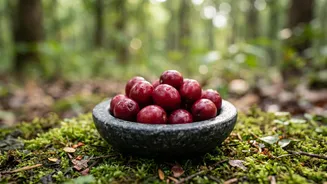
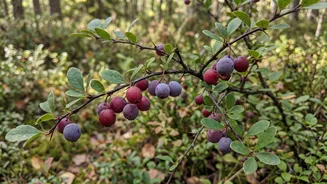
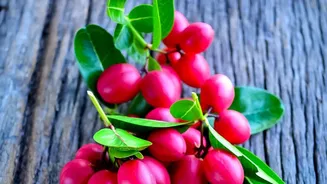
Deep in the semi-arid, dry deciduous forests of eastern Rajasthan lies the Kailadevi Wildlife Sanctuary, a critical part of the Ranthambore Tiger Reserve. This landscape is home to the wild 'Beri' (a type of Indian Jujube, likely from the Ziziphus family),
a fruit that thrives without any cultivation, irrigation, or fertilisers. Known affectionately as the 'apple of the forests', this small, sweet, and sour fruit is a cornerstone of the local ecosystem. It sustains not only the region's tribal and rural communities but also provides crucial winter nutrition for birds and woodland animals, illustrating a perfect harmony between nature and its inhabitants. The trees themselves help combat soil erosion, making them an integral part of the region's ecological health.
A Tradition Steeped in Wellness
For generations, the communities of the Dang region have relied on the Beri for more than just sustenance. Traditional healers and village elders champion the fruit as a natural immunity booster, primarily due to its high concentration of Vitamin C. Its significant fibre content is also valued for promoting digestive health. The fruit is woven into the cultural fabric, even holding mythological significance. In traditional medicine systems like Ayurveda, various parts of the Ziziphus plant family, to which Beri belongs, are used for a wide range of purposes, from relieving abdominal pains to acting as a sedative or an expectorant. These long-standing uses form the basis of the berry's reputation as a potent, natural remedy.
Seeking Scientific Validation
While traditional knowledge is invaluable, the specific health claims about the Karauli Dang Beri require a closer look from science. Research on the broader Ziziphus family, like Ziziphus mauritiana and Ziziphus nummularia, confirms that these fruits are indeed nutritional powerhouses. They are rich sources of Vitamin C, with some studies on small wild ber varieties reporting levels as high as 183 mg per 100g. They also contain proteins, flavonoids, carotenoids, and important minerals like iron, calcium, and phosphorus. However, the key issue is the lack of clinical trials and specific phytochemical analysis for the Beri grown in the Karauli Dang region itself. Many studies on related species are preclinical, often conducted in labs (in vitro) or on animals (in vivo), and their findings cannot be directly applied to humans without further research.
Superfood or Just a Super Fruit?
So, is the Dang Beri a 'superfood'? The term itself is more of a marketing concept than a scientific one. Wild fruits, in general, are recognized for containing beneficial bioactive compounds like anthocyanins and flavonoids, which have antioxidant and anti-inflammatory properties. The Beri from Karauli is undoubtedly a 'super' fruit in the sense that it is nutrient-dense, wild, organic, and a healthy part of any diet. It offers more vitamins and minerals than many commercially cultivated fruits. However, the evidence is not yet strong enough to support claims of it curing specific diseases or replacing conventional medical treatments. The scientific consensus remains that while plants like Ziziphus nummularia have immense therapeutic potential, rigorous clinical trials are needed to validate their use for specific health conditions.