


Understanding the Monsoon's Retreat
The end of the monsoon isn't an abrupt event but a gradual process known as the withdrawal. It starts in northwest India and moves southeast over several weeks. The India Meteorological Department (IMD) declares the withdrawal for a region based on specific
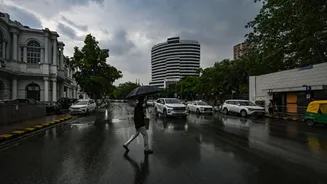
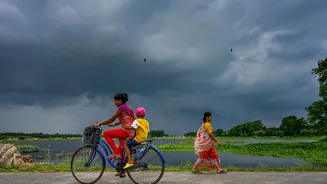
criteria, including sustained dry weather and changes in wind patterns. This means that while Rajasthan might be enjoying dry, post-monsoon weather, parts of central or southern India could still be experiencing monsoon-related showers. For 2026, this withdrawal began from west Rajasthan around September 19, a couple of days later than the normal date. A weather system in the Bay of Bengal, however, caused a pause in its progress across central and eastern India.
The Forecast for Early October 2026
As of early October, the monsoon has withdrawn from most of northwest India, including Punjab, Haryana, Delhi, and Rajasthan. The IMD has indicated that conditions are favourable for the withdrawal to continue from the remaining parts of Northwest India and adjoining Central India during the first week of October. The overall monsoon season has ended with a rainfall deficit of about 12.6%, influenced by a strong El Niño. For October itself, the IMD predicts below-normal rainfall for most of the country, though temperatures are expected to be warmer than usual. However, travelers should note the regional exceptions to this dry forecast.
North India and the Hills: Mostly Clear Skies
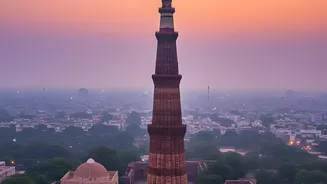
For those planning trips to the Himalayan states of Himachal Pradesh and Uttarakhand, or the northern plains, the news is generally good. The Southwest Monsoon has already retreated from most of this region. This typically ushers in a period of clear blue skies and pleasant daytime temperatures, ideal for trekking and sightseeing. However, travellers should remain cautious. The fag end of the monsoon can sometimes interact with Western Disturbances, causing sporadic showers. It is always wise to check local forecasts before heading to higher altitudes, as post-monsoon rain can still pose risks of landslides on vulnerable roads. As of October 1, Delhi is expected to remain dry with clear skies for the upcoming week.
Central and Western India: A Mixed Bag
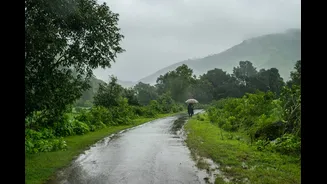
This region is in the midst of the transition. The monsoon's withdrawal from parts of central India is expected to pick up pace in the first week of October. Destinations in Madhya Pradesh and Chhattisgarh may still see some lingering showers from the remnants of recent weather systems. In the west, the withdrawal from Gujarat and Maharashtra is also underway. While some parts have seen the monsoon retreat, a low-pressure system can sometimes delay the process, bringing unexpected rain to coastal areas like Mumbai and Goa. Travellers should pack for both warm, sunny days and the possibility of a few passing showers.
South and Northeast India: A Different Story
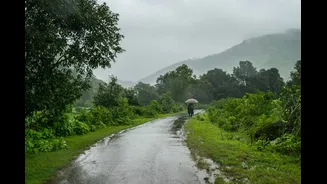
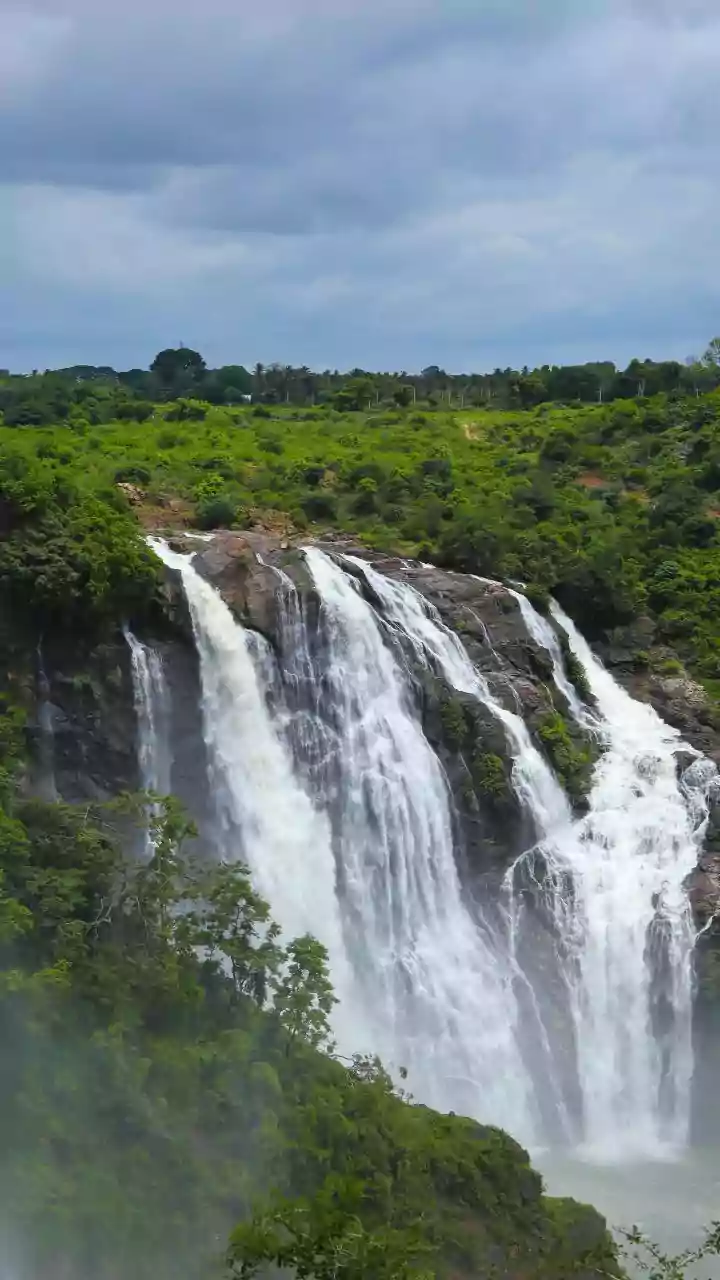
The story is different in the south and northeast. As the Southwest Monsoon retreats, the southern peninsula, particularly Tamil Nadu, Kerala, and parts of Andhra Pradesh and Karnataka, prepares for the Northeast Monsoon. The IMD is forecasting heavy rainfall in these southern states in early October. The onset of the Northeast Monsoon is expected between October 15 and 21. Similarly, the IMD has also forecast isolated heavy rainfall for Nagaland, Manipur, Mizoram, Tripura, Assam, and Meghalaya in the first days of the month. If your getaway plans include these regions, be prepared for wet weather and pack waterproof gear.
Tips for the Smart October Traveller
Given the transitional nature of the weather, flexibility and preparation are key for any October trip. First, monitor IMD forecasts closely, especially the district-wise warnings, right up until you travel. Second, for hill station trips, confirm with local contacts or hotels about road conditions before you depart. Third, pack layers. A light jacket and an umbrella or a waterproof shell are essential, even if the forecast looks clear. Finally, if you are travelling to the south or northeast, expect rain and plan your activities accordingly, opting for indoor attractions or experiences that aren't weather-dependent.