





Understanding the 'Why' Behind the Rules
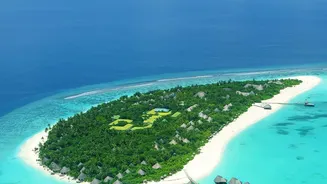
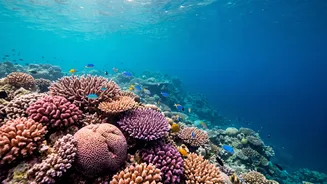
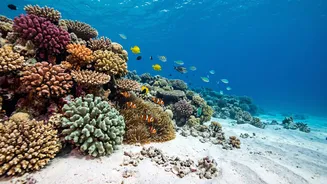
Lakshadweep is not just a group of islands; it is a fragile ecosystem built on coral atolls. The strict regulations, including entry permits and activity restrictions, exist for one primary reason: conservation. The delicate balance of marine life, from
the coral gardens to the turtles and tropical fish, is vulnerable to the pressures of tourism. By limiting the number of visitors and enforcing rules like a ban on picking up corals, the administration aims to preserve this natural heritage for future generations. Approaching your trip with this understanding is the first step to being an eco-conscious traveler here; the rules aren't a hurdle, but a way to participate in the islands' preservation.
Securing Your Entry Permit: A Simplified Process
A permit is mandatory for all non-native visitors, including Indian citizens. Thankfully, the process has been streamlined to encourage responsible tourism. As of recent updates in 2026, applicants no longer need a local sponsor or a Police Clearance Certificate (PCC) from their hometown, as security verification is now handled directly by the Lakshadweep police after you apply. You must apply online at least 14 days before your trip through the official ePermit portal. Be prepared to provide your travel dates, a list of islands you plan to visit, and your accommodation details. It is crucial that you only visit the islands specified on your approved permit.
Choosing Your Travel and Lodging
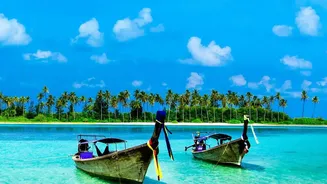
Your journey to sustainability begins with your travel choices. Flights operate from Kochi to Agatti Island, the main gateway. From Agatti, inter-island transfers are typically done by boat or helicopter, depending on the season and destination. Alternatively, the Society for Promotion of Nature Tourism and Sports (SPORTS) offers popular ship-based packages like the 'Samudram' cruise, which provide an all-inclusive way to see multiple islands while living aboard the vessel. When it comes to lodging, most options are managed by SPORTS to ensure they comply with environmental norms. These government-run beach resorts and huts are your most reliable bet for eco-friendly accommodation. You can book these packages and stays directly through the official tourism websites, which also handle your permit as part of the booking.
Embracing Eco-Friendly Coastal Stays
Several islands now feature resorts designed with sustainability at their core. On islands like Bangaram and Thinnakara, new eco-friendly luxury retreats have opened, featuring structures built from sustainable materials that blend with the natural landscape. These resorts often use solar power, practice rainwater harvesting, and have robust waste management systems. Whether you choose a simple government-run cottage or a newer eco-luxury tent, the principle is the same: accommodations are designed to have a minimal environmental footprint. Always book through official channels like the SPORTS website or recognized operators to ensure your stay supports sanctioned and responsible tourism.
Responsible Tourism: On-Island Best Practices
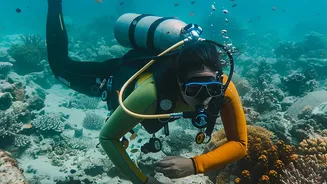
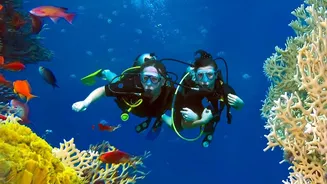
Once you arrive, your actions play a huge role in preservation. Single-use plastics are banned, so bring a reusable water bottle. The most important rule is to respect marine life: do not touch or pick up corals, as it is a punishable offense. Use only reef-safe sunscreen to protect the delicate coral ecosystems. When engaging in water sports like snorkeling or scuba diving, always go with certified operators who follow safety and environmental guidelines. Also, be mindful of local customs. Alcohol is prohibited on all islands except Bangaram. Dress modestly in inhabited areas, and remember that things like plucking coconuts are not allowed as the trees are privately owned.