

The Welcoming Glow of the Evening Star
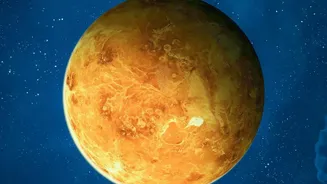
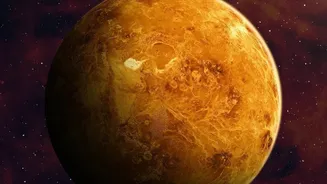
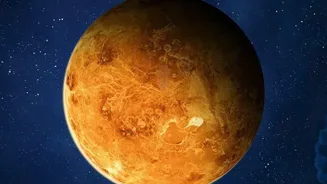
Throughout August 2026, Venus is putting on a magnificent show for sky-watchers. After spending the first part of the year hidden in the Sun’s glare, it has emerged in our evening sky, growing brighter and more prominent each week. This phase, when Venus is visible
after sunset, is famously known as its appearance as the “Evening Star.” For all of us in India, this means we have a front-row seat to watch the brightest planet in our solar system dominate the twilight. Its exceptional brightness is due to its thick, highly reflective cloud cover and its relative proximity to Earth. This combination makes it shine more brilliantly than any other star or planet, an unmistakable beacon heralding the coming night.
How to Spot Venus This Month
Finding Venus is incredibly simple. Look towards the west or west-southwest in the hour or so after the Sun has set. You cannot miss it. Venus is so bright it will be the very first “star” to appear, easily piercing the fading colours of twilight. All through August, it will be journeying across the constellation of Virgo. A particularly special date to mark on your calendar is August 15th. On this evening, Venus reaches its “greatest elongation,” meaning it will be at its farthest point from the Sun from our perspective. This makes it a fantastic time to view the planet. As a bonus, a beautiful slim crescent Moon will be positioned nearby, creating a stunning celestial pair in the sky.
A Celestial Dance with a Star
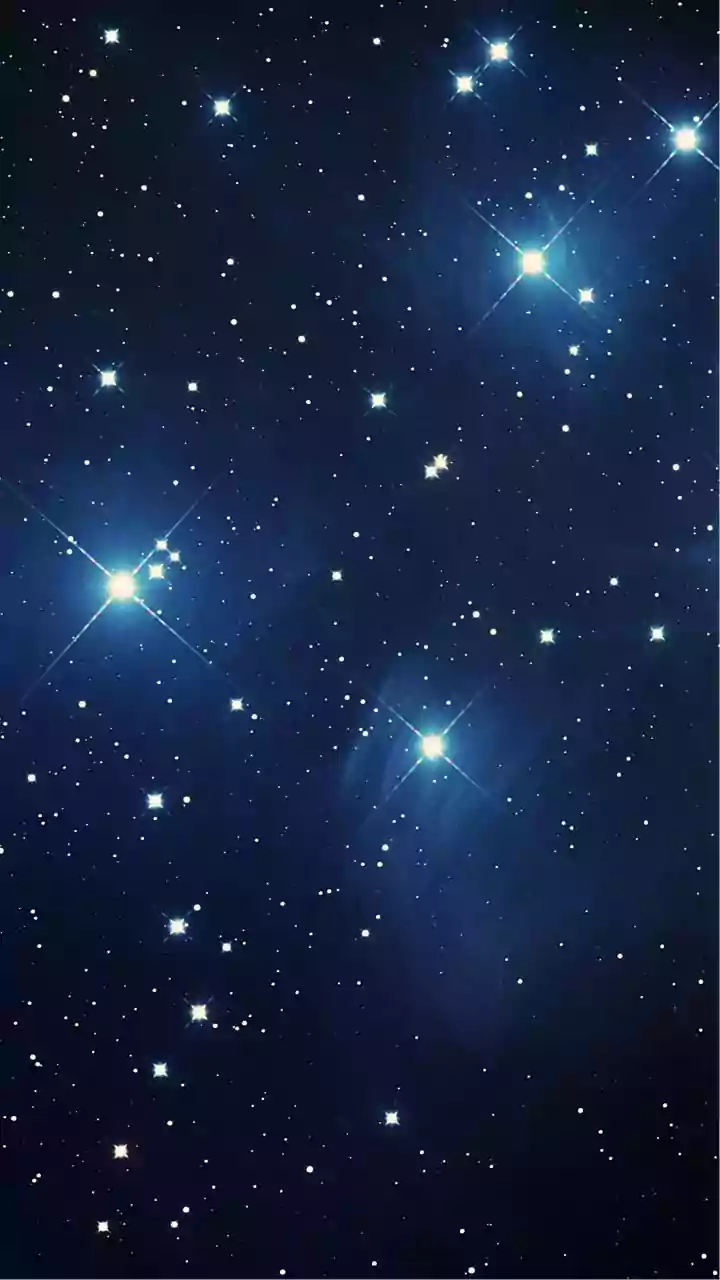
As you follow Venus through the month, you’ll notice it’s not stationary against the background stars. Night after night, you can track its movement. During late August, you will be able to see it drawing closer to a bright, bluish-white star. This star is Spica, the brightest star in the constellation Virgo. Watching Venus close the gap with Spica each evening is a wonderful way to appreciate the motion of our solar system in real-time. The two will get progressively closer until their conjunction in early September. This slow-motion celestial dance is a rewarding sight for anyone who takes a few moments to look up each evening and notice the change.
Tips for the Best Viewing Experience
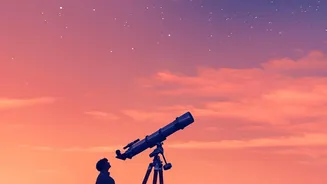
While Venus is bright enough to be seen from anywhere, even a brightly lit city balcony, you can enhance the experience with a few simple tips. First, try to find a spot with a clear, unobstructed view of the western horizon. If you can get away from the worst of the city lights, the planet will appear even more brilliant against a darker sky. Give your eyes about 15-20 minutes to fully adapt to the darkness; this will help you see not just Venus, but also other fainter stars as they appear. You don’t need any special equipment, as Venus is a spectacular naked-eye object. However, if you have a pair of binoculars or a basic telescope, you can get a closer look. Around the middle of the month, you might even be able to discern that Venus has a phase, appearing like a tiny half-moon.
More Than Just a Planet
Known as Shukra in Indian astrology and culture, Venus has captivated humanity for millennia. It is often associated with beauty, love, and prosperity. Its dual nature—appearing as both the Evening Star and, at other times of the year, the Morning Star—has made it a subject of myths and legends across the world. Observing it isn't just an astronomical activity; it's a connection to a sight that has inspired poets, artists, and thinkers for countless generations. As it shines brightly in our evening sky, take a moment to appreciate this shared human heritage. It's a reminder of the grand, cosmic clockwork that we are all a part of, visible from our own backyards.