




A Landscape Reborn in Green
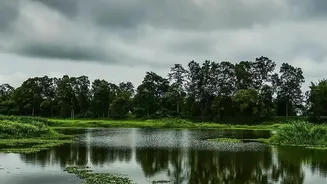
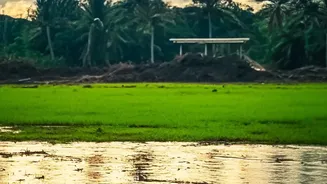
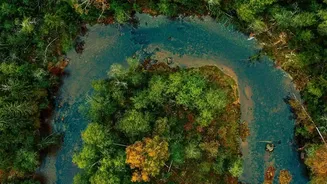
From June to September, the monsoon breathes new life into Assam. The relentless heat of summer gives way to a refreshing coolness as rain washes over the land. The mighty Brahmaputra River swells, rice paddies turn a brilliant shade of green, and the air
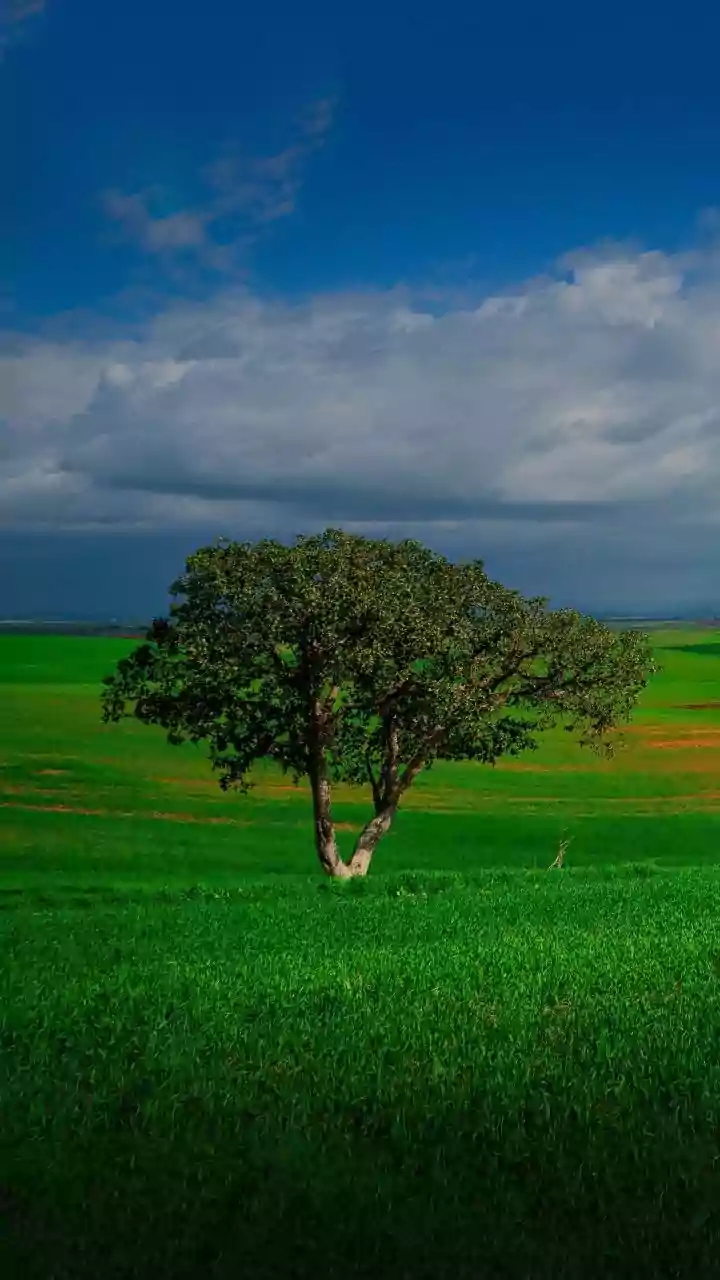
becomes thick with the scent of wet earth and blooming flowers. This isn't a time of bleak, grey skies, but a period of dramatic transformation. The landscape becomes a living canvas of rolling mists, sudden waterfalls cascading down hillsides, and an intensity of green that has to be seen to be believed. For the intrepid traveller, it’s a chance to see the state at its most raw, vital, and authentic, far from the peak-season crowds. However, it's wise to be prepared, as heavy rains can lead to flooding and travel disruptions in low-lying areas.
The Misty Hills of Haflong
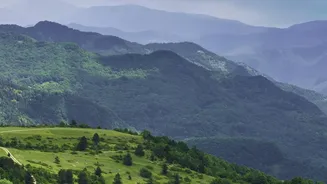
Assam's only hill station, Haflong, becomes a magical realm during the monsoon. Often called the 'Switzerland of the Northeast', the town and its surrounding Dima Hasao hills are draped in mist, with clouds drifting through the valleys like white rivers. The rains rejuvenate the landscape, making the forests dense and the numerous waterfalls thunder with life. It's the perfect setting for trekking along misty trails, though caution is advised on slippery paths. This is an experience for those who find beauty in moody, atmospheric landscapes. Imagine sipping a hot cup of locally grown tea while watching the rain sweep across the hills from the window of a cozy cottage—a quintessential monsoon experience.
The Drama of Majuli Island
Visiting Majuli, the world's largest river island, during the monsoon is an adventure in itself. The rains and the rising Brahmaputra constantly reshape the island, creating a dynamic and powerful landscape. While the threat of floods is real and ferry services can be unpredictable, witnessing the islanders' resilience and the sheer force of nature is a humbling experience. The island becomes incredibly lush, and the 'satras' (Vaishnavite monasteries) offer a sense of serene spirituality against a backdrop of dramatic, rain-filled skies. A monsoon trip to Majuli isn't for the faint of heart; it requires flexibility and a spirit of adventure, rewarding visitors with an unforgettable, raw, and culturally rich experience.
Tea Gardens in Their Verdant Prime
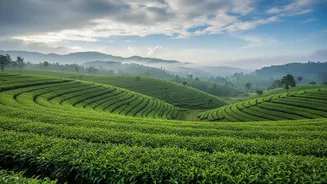
Assam's iconic tea gardens are never more beautiful than during the monsoon. The rain plumps the tea leaves, covering the rolling estates in a shimmering, vibrant green. The soft, persistent drizzle cleanses the air, leaving behind the fresh, earthy aroma of wet soil and tea leaves. Many tea estates in regions like Jorhat and Dibrugarh offer heritage bungalows where you can stay. A walk or drive through a rain-drenched tea garden is a deeply sensory experience—the quiet punctuated by the rhythm of raindrops and the call of birds. It provides a peaceful retreat and a chance to witness the source of Assam's famous brew in its most picturesque state.
Wildlife Beyond the Jeep Safari
While the core zones of major wildlife sanctuaries like Kaziranga and Manas National Park are closed to jeep safaris during the monsoon to protect the terrain and allow animals to breed, the fringe areas and other parks offer unique opportunities. Dibru-Saikhowa National Park, a riverine and wetland ecosystem, comes alive in the rains and remains accessible for boat safaris, offering excellent birdwatching opportunities. The wetlands around Deepor Beel, near Guwahati, also become a haven for migratory and resident birds. The focus shifts from spotting big game to appreciating the entire ecosystem in its most rejuvenated state—the lush flora, the vibrant birdlife, and the sheer abundance of life that the monsoon supports.