



A Palette Inspired by Nature
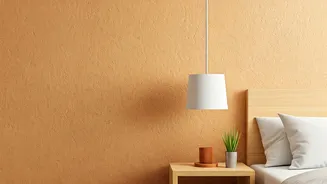
The foundation of the earthy décor trend is its colour palette, which is pulled directly from the natural world. Think of the rich, warm tones of a sunset, the deep greens of a forest, and the soft neutrals of a sandy beach. Colours like terracotta, rust,
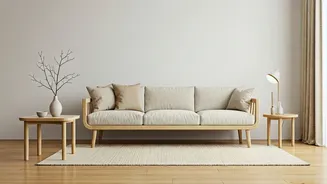
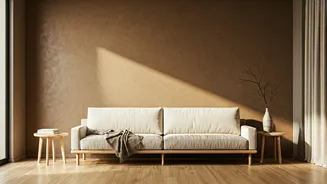
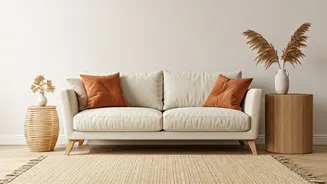
ochre, olive green, and muted beige are replacing the once-popular greys and stark whites. These hues are inherently soothing and create a sense of warmth and stability. They work beautifully in Indian homes, complementing the quality of our natural light. A terracotta accent wall, a set of olive green cushions, or a simple beige linen sofa can instantly make a room feel more inviting and connected to the outdoors.
Texture Is the New Pattern
While bold patterns have had their moments, the earthy trend prioritises texture to create visual interest. It’s all about materials that beg to be touched. We're seeing a massive resurgence in natural, tactile fibres like jute, rattan, cane, and seagrass. A chunky jute rug underfoot, a woven cane cabinet, or a rattan pendant light adds layers of organic texture and character. These materials, many of which are staples of Indian craft traditions, bring a sense of artistry and soul to a space. The look is less about machine-made perfection and more about the beauty found in natural variations and hand-worked details.
Bringing the Outdoors In
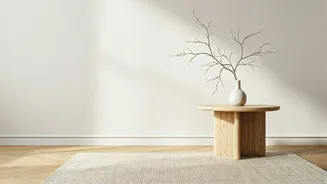
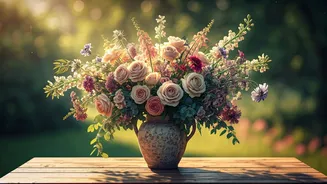
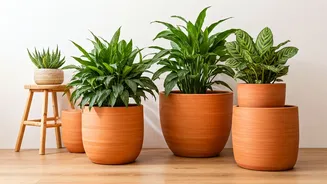
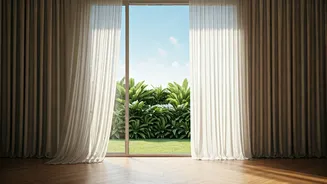
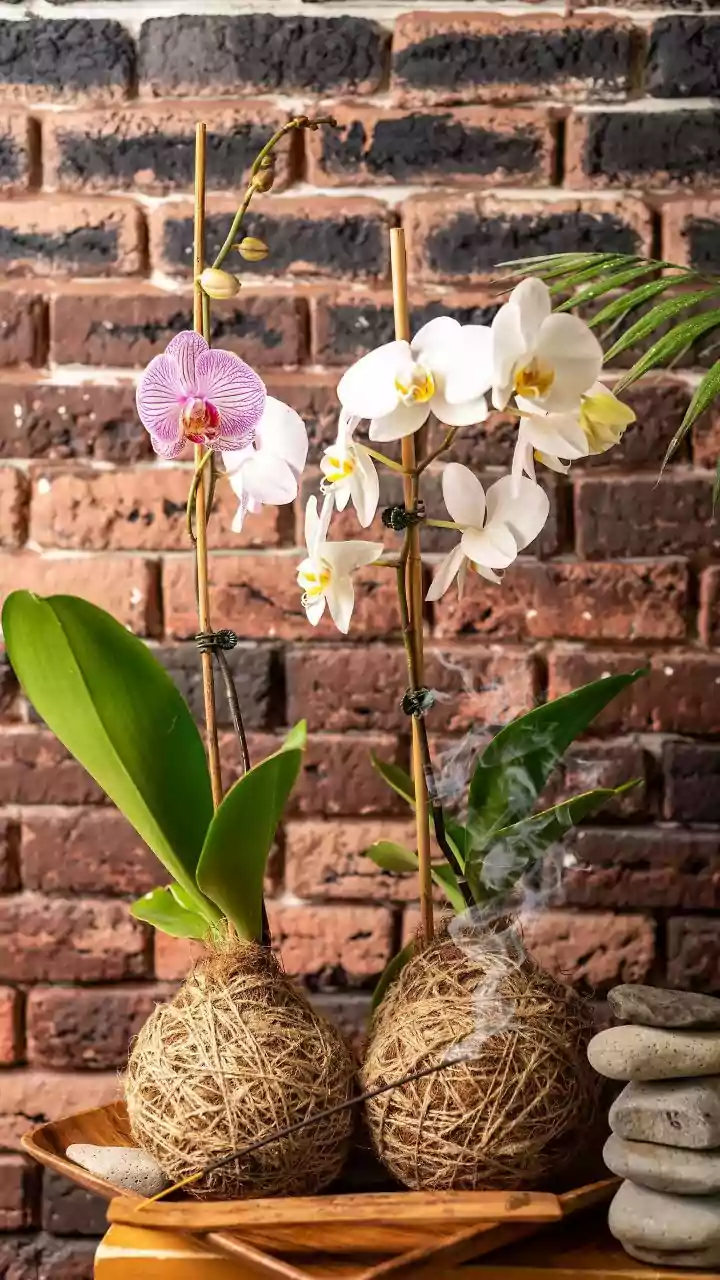
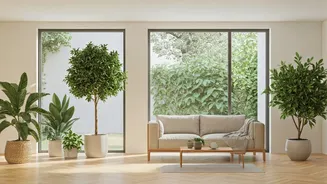
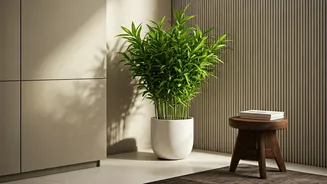
More than just a few potted plants, this trend embraces the principles of biophilic design—the idea that humans have an innate need to connect with nature. This means maximising natural light, filling corners with lush indoor plants like snake plants and monsteras, and choosing décor with organic, curved shapes over harsh, straight lines. A simple vase with fresh-cut stems, artwork depicting landscapes, or even furniture with rounded edges can soften a room and foster a connection to the natural world. In our increasingly digital and urban lives, creating a home that feels like a green escape provides a much-needed sense of balance and well-being.
The Beauty of Imperfection
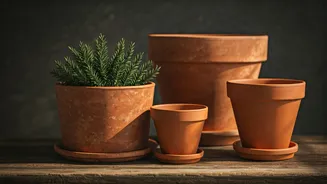
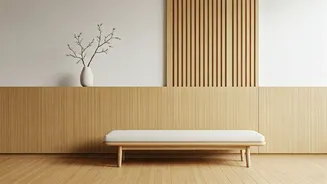
This aesthetic moves away from the flawless, mass-produced look and celebrates the 'perfectly imperfect'. Drawing inspiration from philosophies like the Japanese concept of wabi-sabi, it finds beauty in asymmetry, simplicity, and authenticity. This translates to a love for handmade pottery where you can see the artisan's touch, handwoven textiles with slight irregularities, and wooden furniture with visible grain and knots. Each piece tells a story. Instead of a set of identical factory-made vases, the earthy look might feature a collection of mismatched terracotta pots, each with its own unique character. It's a style that feels personal, lived-in, and real.
Furniture with a Story
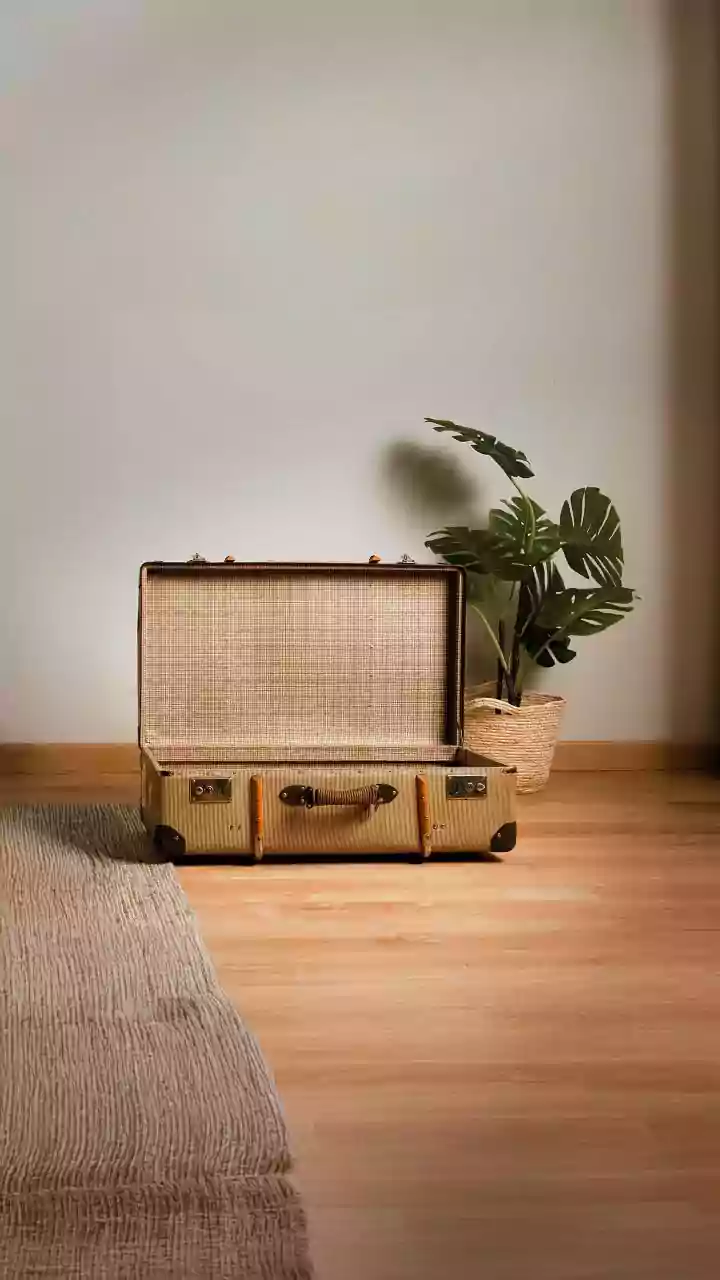
The furniture that populates an earthy interior is chosen for its character and longevity. Fast-fashion furniture is out; timeless pieces are in. This often means investing in solid wood furniture—teak, sheesham, or mango wood—that showcases its natural grain. There's also a growing appreciation for vintage and antique finds, which bring a sense of history and uniqueness to a space. An old wooden chest repurposed as a coffee table or a beautifully crafted planter from a local artisan doesn't just fill a space; it adds a layer of soul and personality that flat-pack furniture simply cannot replicate. This focus on sustainable, lasting quality is a core part of the trend's appeal.