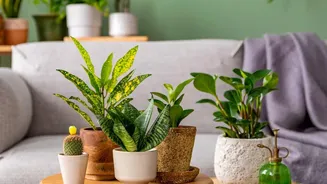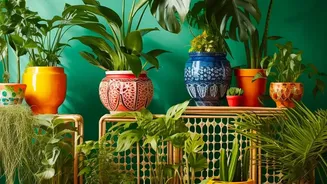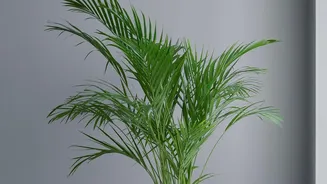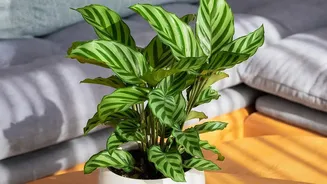




Your Journey to a Green Home
The desire for indoor plants often clashes with the fear of failure. Many new plant parents in India feel overwhelmed, believing that keeping a plant alive requires complex knowledge of soil, light, and watering schedules. But what if the plant itself
did most of the work? The key to building a thriving indoor oasis, especially for busy professionals or first-timers, is to choose species that are naturally resilient and forgiving. These 'foolproof' plants are not just beautiful additions to your decor; they are tough survivors that tolerate a bit of neglect, adapt to various indoor conditions, and still look stunning. They are the perfect confidence-boosters, teaching you the basics of plant care without the high stakes. By starting with these low-maintenance heroes, you set yourself up for success and slowly build the skills and confidence to welcome more diverse plants into your home.
The Unkillable Snake Plant
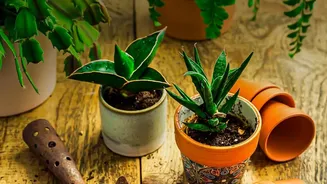
If you buy only one plant to start, make it the Snake Plant (Dracaena trifasciata). Revered in Indian homes for its resilience, this plant is almost indestructible. Its stiff, upright leaves with striking patterns make it a modern decor element. Snake Plants are famously tolerant of low light, making them perfect for apartments or rooms that don't get direct sun. Their biggest enemy is too much affection in the form of overwatering. They store water in their leaves and prefer their soil to dry out completely between waterings. In most Indian climates, this can mean watering just once every 2-4 weeks. As an added bonus, they are excellent air purifiers that release oxygen at night, making them an ideal companion for bedrooms.
The Forgiving ZZ Plant
The ZZ Plant (Zamioculcas zamiifolia) is the epitome of a low-maintenance plant, making it perfect for frequent travellers or anyone with a busy schedule. This plant thrives on neglect. With its wide, glossy, dark green leaves, it adds a touch of lushness to any corner. The ZZ Plant is highly drought-tolerant because it stores water in its underground rhizomes, so it's much more likely to suffer from overwatering than underwatering. A good rule of thumb is to water it only when the soil is completely dry, which could be as infrequent as every 2-3 weeks. It is also incredibly adaptable to different light conditions, thriving in low to bright indirect light, but you should keep it out of harsh, direct sun.
The Ever-Popular Money Plant
No list of easy Indian houseplants is complete without the Money Plant (Epipremnum aureum), also known as Pothos. This fast-growing vine is arguably the most common indoor plant in India, seen trailing from shelves and climbing up walls in homes and offices. Its popularity stems from its easy-going nature. Money Plants are very communicative; their leaves will droop slightly when they need water, and they bounce back quickly after a good drink. They prefer the top inch or two of soil to dry out before watering again. While they do best in bright, indirect light, they can easily tolerate lower light levels, though this might reduce the variegation on their leaves. They are also incredibly easy to propagate from cuttings in just a glass of water.
The Resilient Spider Plant
The Spider Plant (Chlorophytum comosum) is a classic for a reason. It’s incredibly easy to grow and has a charming, retro look with its arching leaves and dangling 'spiderettes' or baby plants. These plants are known for being excellent air purifiers, filtering out common household toxins. They are adaptable to a range of light conditions but prefer bright, indirect light. Direct, harsh sunlight can scorch their leaves. Spider Plants are also forgiving when it comes to watering; it's better to let them dry out a bit than to keep them waterlogged. A major bonus, especially for families, is that they are non-toxic to pets like cats and dogs, making them a safe and beautiful choice for any home.
The Colourful Aglaonema
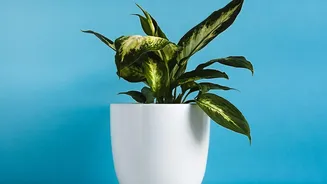
Also known as the Chinese Evergreen, Aglaonema is perfect for adding a splash of colour without adding a lot of work. These plants come in a stunning variety of patterns, from deep greens to silvers, pinks, and reds. They are renowned for their ability to thrive in low to medium light, making them ideal for brightening up dimmer spots in your home. In fact, varieties with darker green leaves are exceptionally tolerant of low light. For watering, let the top 1-2 inches of soil dry out before you water again. They prefer moist soil but are susceptible to root rot if overwatered. Their adaptability and striking foliage make them a rewarding yet low-effort choice for beginners.