







In India's bustling cities, the daily commute is often a source of stress and wasted time. But what if your journey to work could also be your workout and a step towards a cleaner planet? Cycling offers a powerful, two-in-one solution.
Your Personal Health Engine
Swapping a car or
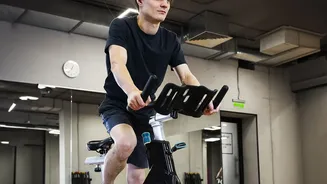
metro seat for a bicycle saddle is one of the most effective ways to integrate physical activity into a busy schedule. Regular cycling is a low-impact aerobic exercise that delivers a wealth of health benefits. It strengthens your heart muscles, improves circulation, and can significantly reduce the risk of cardiovascular diseases like heart attacks and high blood pressure. Over time, this consistent activity helps build muscular endurance, strengthens bones, and can aid in maintaining a healthy body weight. The benefits aren't just physical. The rhythmic act of pedalling is a proven stress reducer. Exercise like cycling prompts the release of endorphins, the body's natural mood-lifters, which can help alleviate symptoms of anxiety and depression. Starting or ending your day with a ride provides a mental break, sharpening your focus and boosting your overall sense of well-being.
An Eco-Friendly Commute
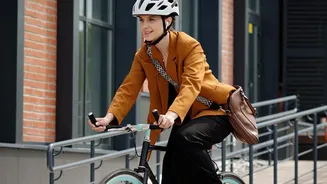
Beyond personal fitness, each bicycle on the road represents a small victory for the urban environment. Transportation is a major source of carbon emissions and air pollution in cities. Bicycles, powered by human energy, produce zero emissions. Opting for a bike over a car for a daily commute can substantially reduce an individual's carbon footprint. The cumulative effect is significant; more cyclists mean cleaner air for everyone. Furthermore, bicycles help combat the chronic issue of traffic congestion. They take up far less space than cars, both on the road and when parked, leading to quieter and more pleasant urban spaces. Research shows a large percentage of urban trips in India are under 10 kilometres, a distance perfectly suited for a bicycle. In many traffic-clogged scenarios, a cyclist can often reach their destination faster than a motorist.
The Indian Urban Challenge
Despite its clear advantages, daily cycling in Indian cities comes with real challenges. A primary concern for many is the lack of safe, dedicated infrastructure. While some cities like Pune, Nagpur, and Pimpri-Chinchwad have made strides in building cycle tracks, these are often fragmented or encroached upon by parked vehicles and vendors, forcing cyclists into dangerous traffic. Poor road conditions and a lack of enforcement against traffic violations further heighten safety risks. Cyclist fatalities remain a serious issue, highlighting the urgent need for better infrastructure and greater acceptance of cyclists on the road. Socio-cultural barriers also exist, particularly for women, who may face harassment or discouragement. However, momentum is building. Initiatives like the national 'Cycles4Change Challenge' are encouraging cities to create more people-friendly streets and build out cycling networks.
Getting Started on Two Wheels
Thinking of making the switch? Start small. You don't need to commit to a fivendaynday commute from the outset. Begin with a weekend ride or by cycling to a nearby market. Choose routes with less traffic, even if they are slightly longer. Investing in safety gear is nonndnegotiable; a good helmet, reflective vests, and bright lights are essential for visibility, especially during early morning or evening rides. Before you buy a bike, consider what you'll use it for. A simple, sturdy hybrid or city bike is often sufficient for urban commuting. Many cities are also seeing the rise of Public Bicycle Sharing (PBS) systems, which offer a great way to try cycling without the commitment of ownership. Lastly, connect with local cycling groups. They can be a fantastic source of information on safe routes, group rides, and basic maintenance tips, making your transition into urban cycling both safer and more social.