




The Damp Dilemma of Monsoon Laundry
Every year, as the rains arrive, a familiar challenge unfolds in homes across India. The joy of the monsoon is quickly tempered by the practical problem of drying clothes. Balconies become unusable, and indoor spaces fill up with racks of damp garments.
This isn't just an issue of clutter. When clothes remain damp for more than a few hours in humid conditions, bacteria and mildew begin to grow on the fabric fibres. This is the true cause of that persistent musty smell that clings to clothes, no matter how well they were washed. For many, especially those in apartments, the season turns into a constant battle against dampness, risking damage to expensive outfits and creating a stressful home environment.
Introducing the Monsoon Rota
The solution isn't necessarily a new appliance, but a new system: the monsoon laundry rota. A rota, or roster, is simply a schedule that dictates who does what and when. Applied to laundry, it’s a plan for managing the washing and drying process strategically. Instead of washing huge loads whenever you find the time and hoping for the best, a rota system involves washing smaller batches more frequently. This prevents laundry from piling up and ensures that each small load has a fighting chance to dry completely before the next one needs space. It’s a proactive approach that trades laundry chaos for predictable order, reducing stress and giving your clothes the care they need.
How to Create Your Own Rota
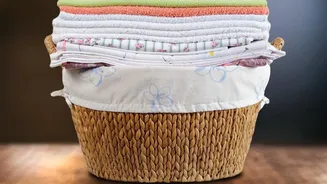
Building a monsoon rota is straightforward. First, assess your family's needs. Instead of one massive 'laundry day', plan to run one small, specific load each day. For example: Monday for children's uniforms, Tuesday for whites, Wednesday for towels, Thursday for adult workwear, and Friday for bedsheets. This breaks the task into manageable chunks. The key is to wash only what you can realistically dry within 24 hours. Don't let wet clothes sit in the machine; transfer them to a drying rack immediately after the spin cycle. Using the highest spin cycle on your machine is crucial, as it removes a significant amount of water before the clothes are even hung up.
Optimise Your Indoor Drying Space
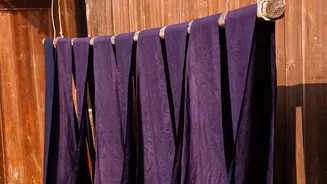
Once washed, drying is the main event. The goal is to maximize airflow. Don't overcrowd the drying rack; leave a few inches of space between each item so air can circulate. Placing a pedestal or ceiling fan in the room and aiming it across the clothes—not directly at them—can cut drying time significantly. For those in extremely humid cities, using a dehumidifier or running the air conditioner in the drying room is the gold standard, as it actively removes moisture from the air, allowing fabrics to dry in hours instead of days. If you don't have these appliances, hanging clothes in the most ventilated part of the house, even if there's no sun, is the next best thing.
Protecting Fabric Quality and Freshness
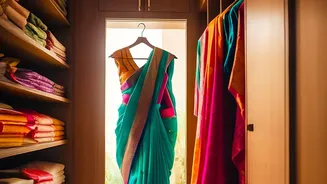
A rota helps prevent the musty smell, but a few extra steps can guarantee freshness. Adding half a cup of white vinegar to the rinse cycle can help kill odour-causing bacteria without leaving a smell. Once clothes are completely dry—and it's important to be sure—ironing them can eliminate any final traces of moisture and kill remaining spores. For storage, avoid stuffing clothes into a damp wardrobe. Ensure the closet is dry by using silica gel packets or charcoal moisture absorbers. Regularly airing out your wardrobe by leaving the doors open for an hour can also prevent mildew from taking hold.