




How GLP-1s Change the Way You Eat
GLP-1 agonists like semaglutide (found in Ozempic and Wegovy) and tirzepatide work by mimicking a hormone that signals fullness to your brain. They also slow down gastric emptying, which means food stays in your stomach for longer. This powerful combination
reduces appetite and promotes weight loss. However, it also means your approach to eating needs to adapt. Because you're eating less, it's crucial to make every bite count nutritionally. The wrong foods can worsen common side effects like nausea, bloating, and constipation, while the right ones can help you feel energized and preserve your health.
The Golden Rule: Prioritise Protein
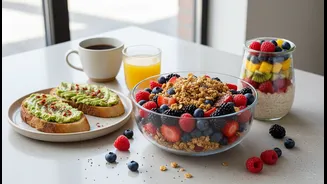
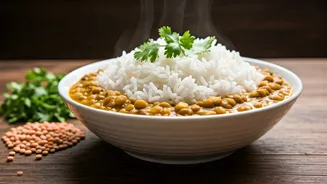
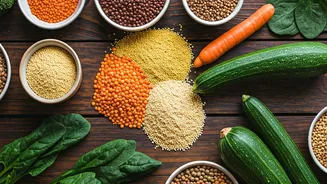
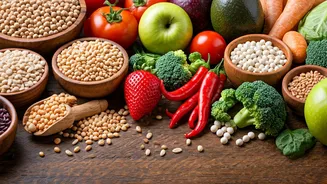
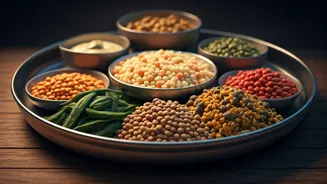
If there's one non-negotiable on a GLP-1, it's protein. When you lose weight, especially rapidly, you risk losing muscle mass along with fat—studies suggest up to 40% of weight lost on these drugs can be lean mass. Prioritising protein helps preserve that vital muscle tissue. Aiming for 25 to 30 grams of protein per meal is a common recommendation. Good sources include lean chicken and fish, eggs, tofu, beans, lentils, and low-fat dairy like Greek yogurt or cottage cheese. Many experts suggest eating the protein portion of your meal first to ensure you get enough before feeling full.
Embrace Fibre and Healthy Fats
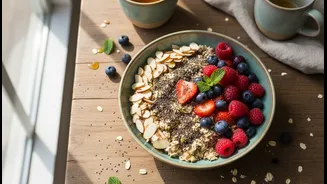
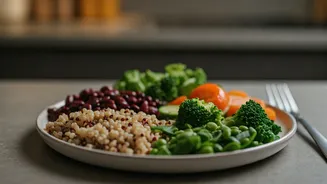
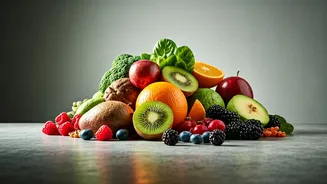
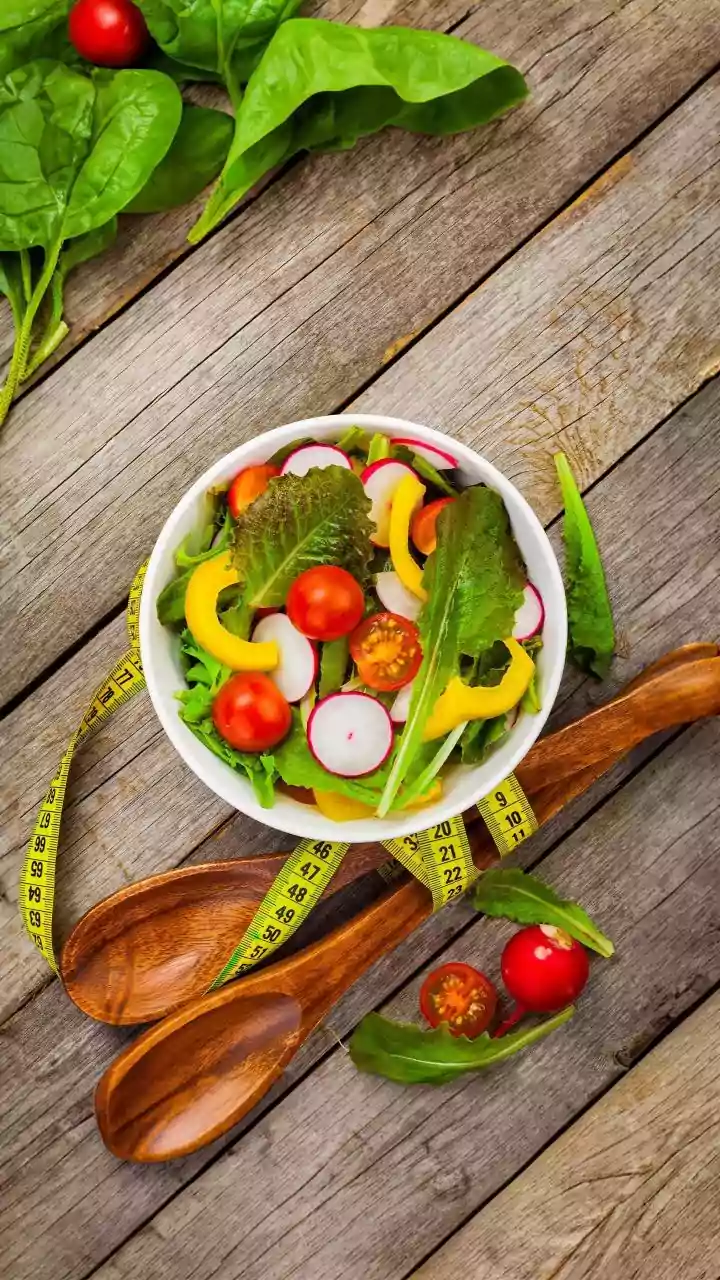
Because GLP-1s slow down your digestive system, constipation can become a frequent issue. Dietary fiber is your best friend here. It helps maintain regular bowel movements and adds bulk to smaller meals, helping you feel satisfied. Aim for 25 to 38 grams daily from sources like whole grains (oats, quinoa), legumes, berries, and non-starchy vegetables like broccoli and leafy greens. It's wise to increase your fiber intake gradually to avoid worsening gas and bloating. Healthy fats from avocados, nuts, seeds, and olive oil are also important for energy, but portion control is key, as large, fatty meals can trigger nausea.
Foods That Can Worsen Side Effects
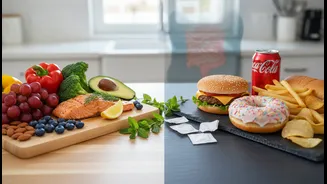
Certain foods are notorious for aggravating the gastrointestinal side effects of GLP-1s. Because your stomach empties slowly, greasy, fried, and high-fat foods are major culprits, often leading to nausea, bloating, and discomfort. Highly processed foods, refined carbohydrates, and sugary drinks should also be limited. They can cause blood sugar spikes and offer little nutritional value, which is a wasted opportunity when your appetite is low. For some, spicy and very acidic foods can also trigger heartburn or indigestion. Listening to your body is crucial, as trigger foods can vary from person to person.
The New Meal Structure: Small and Frequent
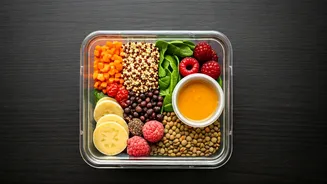
The days of three large meals are likely over while on these medications. A large volume of food can feel incredibly uncomfortable in a slow-emptying stomach. Instead, focus on eating smaller, nutrient-dense meals and snacks throughout the day. This approach can help manage nausea and bloating while ensuring you get a steady supply of energy and nutrients. Think of it as shifting from three main events to four or five smaller, well-chosen mini-meals. This also helps prevent you from becoming overly hungry, which can lead to poor food choices.
A Note on Hydration and Alcohol
Hydration is more important than ever. GLP-1s can sometimes reduce the sensation of thirst, and side effects like nausea or diarrhea can increase your risk of dehydration. Aim for at least eight cups of water a day, sipping between meals rather than with them to avoid feeling overly full. As for alcohol, caution is advised. Alcohol can irritate the stomach, worsening nausea, and its empty calories can work against weight management goals. Some research also suggests GLP-1s can change how your body metabolizes alcohol, potentially making you feel its effects more strongly. Anecdotally, many users report a reduced desire to drink alcohol altogether.