



The Energy-Boosting Sweet Potato
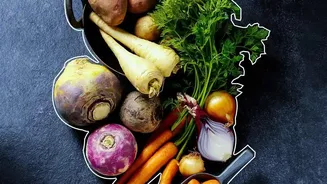
Known as ‘shakarkandi’, sweet potato is a beloved staple during fasts for good reason. It's a complex carbohydrate, which means it provides sustained energy to keep you feeling full and active throughout the day, unlike ingredients that cause sudden energy spikes
and crashes. Packed with fibre, essential vitamins, and minerals, this root vegetable is not only filling but also incredibly versatile. Whether roasted and tossed into a tangy chaat, simply boiled, or simmered in a light curry, the humble sweet potato offers both comfort and crucial nutrients during a period of dietary restriction.
The Humble Powerhouse: Peanuts
Peanuts, or 'moongphali', are a non-negotiable part of the vrat pantry. These legumes are a fantastic source of protein and healthy fats, which are vital for maintaining satiety and energy levels. Often coarsely ground and added to dishes like Sabudana Khichdi, they provide a wonderful crunchy texture and nutty flavour. Peanuts are also commonly used to make chutneys or are simply roasted with a sprinkle of rock salt for a quick, satisfying snack. Their inclusion ensures that fasting meals are not just about carbohydrates, but are also balanced with essential fats and protein.
The Fasting Favourite: Sabudana
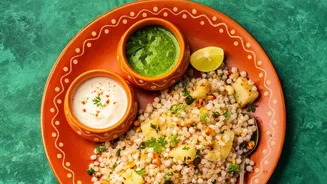
Sabudana, also known as tapioca pearls, is perhaps one of the most iconic fasting ingredients. Derived from the starch of the cassava root, sabudana is a source of pure carbohydrates that provides a quick burst of energy. Its unique texture, which turns soft and translucent when soaked and cooked, makes it a versatile base for many famous vrat dishes. From the savoury and beloved Sabudana Khichdi and crispy Sabudana Vada to the sweet and creamy Sabudana Kheer, this ingredient is a comforting and essential part of the fasting experience across India.
The 'Pseudo-Grains': Ancient Flours
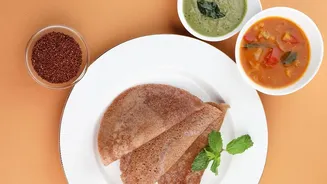
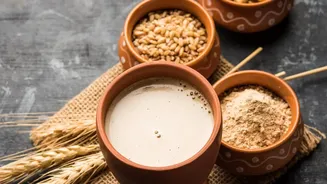
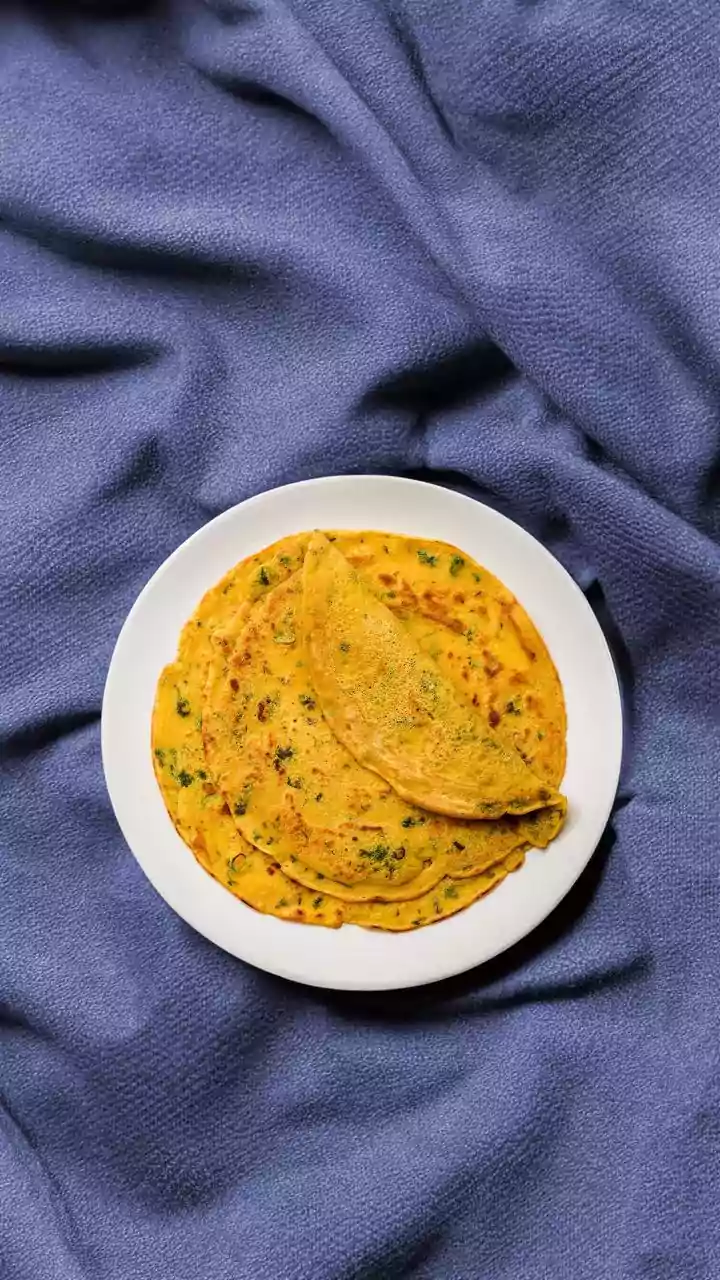
Since regular grains like wheat and rice are avoided, fasting opens the door to a world of nutritious 'pseudo-grains' and alternative flours. Kuttu ka atta (buckwheat flour), singhare ka atta (water chestnut flour), and rajgira ka atta (amaranth flour) are the primary choices. Buckwheat is known for being warming and high in fibre, while water chestnut flour is considered cooling. Amaranth is a protein powerhouse. These gluten-free flours are used to make everything from puris and chapatis to cheelas and pakoras, providing a wholesome alternative to regular breads.
The Fasting 'Rice': Samak ke Chawal
When rice is off the menu, samak ke chawal (barnyard millet) steps in. Despite its name, it is not a type of rice but a tiny, gluten-free millet that is light on the stomach and easy to digest. It cooks quickly and can be used in much the same way as regular rice, making it perfect for preparing dishes like pulao and khichdi during Navratri and other fasts. Packed with fibre and essential minerals, samak rice ensures that one-pot meals remain a satisfying and nutritious option.
The Crucial Additions: Dairy and Spices
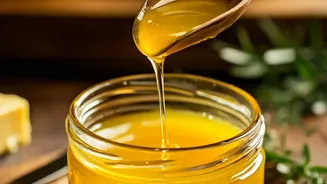
Dairy products like milk, yogurt (dahi), and paneer form the backbone of many vrat meals. They provide much-needed protein, calcium, and healthy fats, making dishes more substantial and flavourful. Buttermilk (chaas) is excellent for hydration, while paneer can be turned into a simple sabzi. Spices are also used judiciously. Regular table salt is replaced with sendha namak (rock salt). Spices like cumin, black pepper, and ginger are commonly used to add flavour without overwhelming the digestive system, adhering to the 'saatvik' or pure food philosophy of fasting.