




1. Start from the Ground Up with Pet-Friendly Flooring
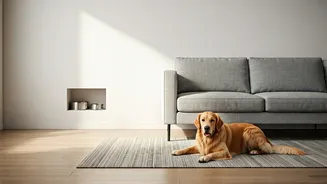
The single biggest decision that impacts both cleanliness and your pet’s comfort is your choice of flooring. While plush carpets feel luxurious, they are a magnet for fur, dander, and hard-to-clean accidents. Instead, consider durable, scratch-resistant
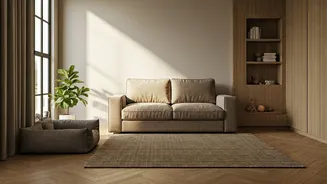
materials like high-quality laminate, luxury vinyl tile (LVT), or sealed concrete. For a touch of warmth, large-format vitrified tiles are an excellent Indian-context choice, as they are cool in the summer, easy to mop, and stand up to claws. If you have older pets, ensure the surface isn’t too slippery; textured tiles or strategically placed, washable area rugs can provide necessary grip and prevent injuries.
2. Create a Dedicated 'Paw Spa' or Mudroom
Even a small apartment can benefit from a designated transition zone. This doesn't have to be a full-fledged mudroom. It can be a small area near your main entrance equipped for post-walk clean-ups. Install a few sturdy hooks for leashes and harnesses, a waterproof mat for muddy paws, and a small cabinet to store towels, wipes, and waste bags. For those building or renovating, incorporating a low-level tap or a handheld shower spray in this area is a game-changer for cleaning off your dog after a dusty or rainy walk. It contains the mess to one easy-to-clean spot, keeping the rest of your home pristine.
3. Integrate Built-in Solutions for a Clutter-Free Look
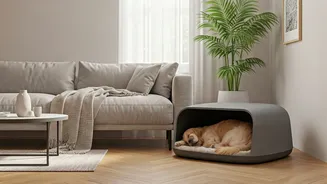
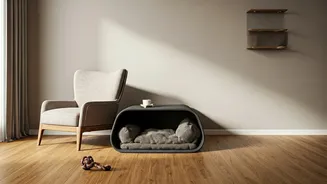
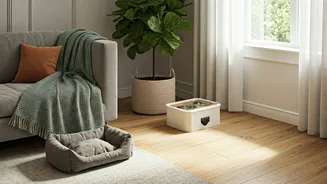
Tripping over food bowls and bulky pet beds disrupts the flow of your home. Modern design offers elegant, built-in solutions. Think about a custom feeding station integrated into the bottom of your kitchen island or cabinetry, with pull-out drawers for food and water bowls. This keeps them out of the main walkway and makes cleaning a breeze. Similarly, consider a cosy 'pet nook'—a small alcove built under a staircase, into a window seat, or within a larger media unit. Lined with a comfortable, washable cushion, it gives your dog or cat a secure, den-like space to retreat to without taking up valuable floor space.
4. Design for Vertical Space, Especially for Cats
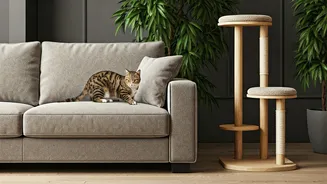
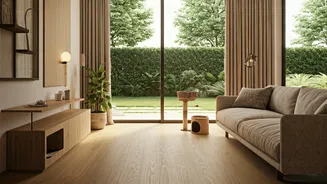
For cat owners, thinking vertically is essential for a happy feline. Cats instinctively seek high perches to observe their territory and feel secure. Instead of a clunky, carpeted cat tree, consider designing sleek, wall-mounted shelves or perches that blend with your decor. You can arrange them in a stylish, staggered pattern that doubles as wall art while giving your cat a stimulating climbing path. A dedicated window perch is also a must-have, allowing your cat to safely 'chatter' at birds and bask in the sun—their own personal live entertainment channel.
5. Choose Fabrics and Furniture Wisely
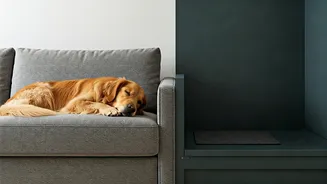
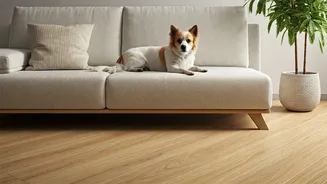
Your furniture will inevitably become a resting spot for your pet, so choose materials that can handle it. Leather is surprisingly pet-friendly as it's easy to wipe clean and doesn't trap fur. For fabric sofas, look for high-performance textiles like microfiber, canvas, or tightly woven materials that resist tearing and are treated for stain resistance. Patterns and darker colours are more forgiving when it comes to hiding stray fur between cleanings. Removable, machine-washable covers are your best friend. Also, consider the frame of your furniture; avoid delicate wicker or exposed wood that can be mistaken for a scratching post or chew toy.
6. Prioritise Safe and Accessible Outdoor Areas
A dream home extends to its outdoor spaces. If you have a balcony or terrace, ensure it’s completely secure. Use netting ('cat-proofing') or raise railings to a safe height. For gardens, choose non-toxic plants, as many common ornamental flowers like lilies and oleander are highly poisonous to pets. Create designated shady spots for them to rest during hot afternoons and ensure they always have access to fresh water. A well-designed outdoor space provides essential mental and physical stimulation, making for a healthier, happier companion.