


A Spoon Is Not Just a Spoon
The fundamental difference between the spoon in your cutlery drawer and a measuring spoon is standardisation. Measuring spoons are manufactured to hold a precise volume: a teaspoon holds approximately 5 millilitres (ml) and a tablespoon holds 15 ml. These
are calibrated tools designed for accuracy. In contrast, the spoons we eat with—often called teaspoons or tablespoons in conversation—are not made to a standard size. Their primary purpose is eating, not measuring. Depending on the manufacturer and style, a cutlery "teaspoon" can hold anywhere from 2.5 ml to over 7 ml. A dinner spoon you might call a tablespoon could hold anywhere from 7 ml to 20 ml. This variation means you could be adding 50% less or nearly 50% more of an ingredient than the recipe intended.
Why Precision Is Crucial in Baking
While you can often get away with imprecision in general cooking, baking is a different story. Baking is science. It relies on precise chemical reactions between ingredients to achieve the desired result. Leavening agents like baking powder and baking soda are powerful examples. Their job is to create gas bubbles that make cakes, muffins, and breads rise. The ratio of these leaveners to flour, acid, and liquids is a delicate balance. Too little baking powder, and your cake will be dense and heavy. Too much can cause it to rise rapidly and then collapse, or leave a bitter, chemical aftertaste. Using a random cutlery spoon introduces an unpredictable variable into a carefully constructed equation, and the results can be disastrous.
The Unfortunate Results of 'Guesstimating'
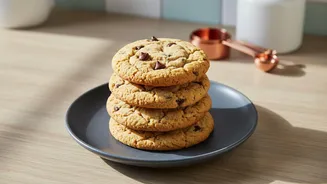
An inaccurate measurement in one area can have a ripple effect across the entire recipe. If you accidentally add too much flour because your spoon is larger than standard, your cookies might not spread and end up tough and dry. Too little flour, and they could spread into thin, greasy crisps. The same goes for salt and sugar. An oversized spoon could easily make a dish inedibly salty or cloyingly sweet. These inconsistencies are why a recipe can turn out perfectly one day and fail the next, even when you think you've followed the instructions exactly. The uncontrolled variable is often the tool used for measuring.
When Is It Okay to Be Casual?
This doesn't mean you need to be militant about every single thing you cook. For many cooking tasks, like making a soup, a stew, or a simple sauce, eyeballing measurements is perfectly fine. In these dishes, you’re often building flavour to taste. Adding a little extra herb or a splash more stock is part of the creative process and is unlikely to ruin the dish. The key distinction is whether the ingredient is playing a structural and chemical role (as in baking) or simply a flavouring role. When a recipe's success depends on a chemical reaction, precision is non-negotiable. For everything else, feel free to use your judgment.
The Simple Solution: Get the Right Tools
The good news is that this is one of the easiest and cheapest ways to improve your baking. A standard set of measuring spoons—typically including 1/4 tsp, 1/2 tsp, 1 tsp, and 1 tbsp—is an inexpensive and essential kitchen tool. They are widely available in plastic or more durable stainless steel. Having a dedicated, accurate set removes the guesswork and provides the consistency that is crucial for successful baking. Leveling off dry ingredients with a straight edge, like the back of a knife, further ensures you are using the exact amount the recipe calls for. It’s a small step that yields reliably delicious results, making you a more confident and successful home baker.