





Targeting High-Touch Hotspots
Deep cleaning resets a space, but it doesn't protect it from immediate re-contamination. Surfaces that are frequently touched by many people—known as high-touch surfaces—are the main culprits for spreading germs. Think about doorknobs, light switches,
elevator buttons, shared keyboards, and pantry appliance handles. These areas can become contaminated again within minutes of being cleaned. The most effective countermeasure isn't a weekly deep clean, but a consistent daily habit. Encouraging staff to use disinfectant wipes on shared equipment before and after use, and ensuring janitorial staff focus on these hotspots daily, makes a significant difference in preventing the spread of illness.
Making Hand Hygiene a Reflex
The simplest and most powerful habit is also the most overlooked: proper handwashing. Germs travel via hands, and even the cleanest surface is only clean until someone touches it. While providing hand sanitiser is a good step, fostering a culture of hand hygiene is better. This involves more than just putting up posters. Leaders and managers can model the behaviour by washing their hands frequently and openly. Reminders near sinks and in breakrooms can reinforce the message. A workplace that normalises taking a moment to wash hands properly helps curb the spread of common illnesses, reducing absenteeism and keeping the entire team healthier.
Ending Desk and Common Area Clutter
Cluttered desks and messy common areas do more than just look unprofessional; they are a hygiene risk. Piles of paper, old coffee mugs, and leftover food containers create environments where dust, mould, and bacteria can thrive. These are often the exact spots that daily cleaners have to work around, and deep cleaning might only address them periodically. A simple but effective habit is to implement a 'clear desk' policy or encourage a five-minute tidy-up at the end of each day. This allows cleaning staff to properly access and sanitise surfaces. In breakrooms, rules about washing personal dishes immediately and wiping down tables after use prevent pests and bacterial growth.
Rethinking How Shared Equipment Is Used
From the office printer to the conference room remote, shared equipment is a revolving door of germs. While a deep clean might sanitise these items, they will be handled by dozens of people before the next scheduled clean. The most practical solution is to build habits around their use. For items like keyboards and mice at shared workstations, a 'wipe-in, wipe-out' protocol is effective. For machinery in industrial settings, ensuring operators clean controls after their shift is crucial. This isn't about adding a major task to anyone's workload; it's about integrating a small, two-minute habit that becomes second nature and collectively protects everyone.
Prioritising Air Quality and Ventilation
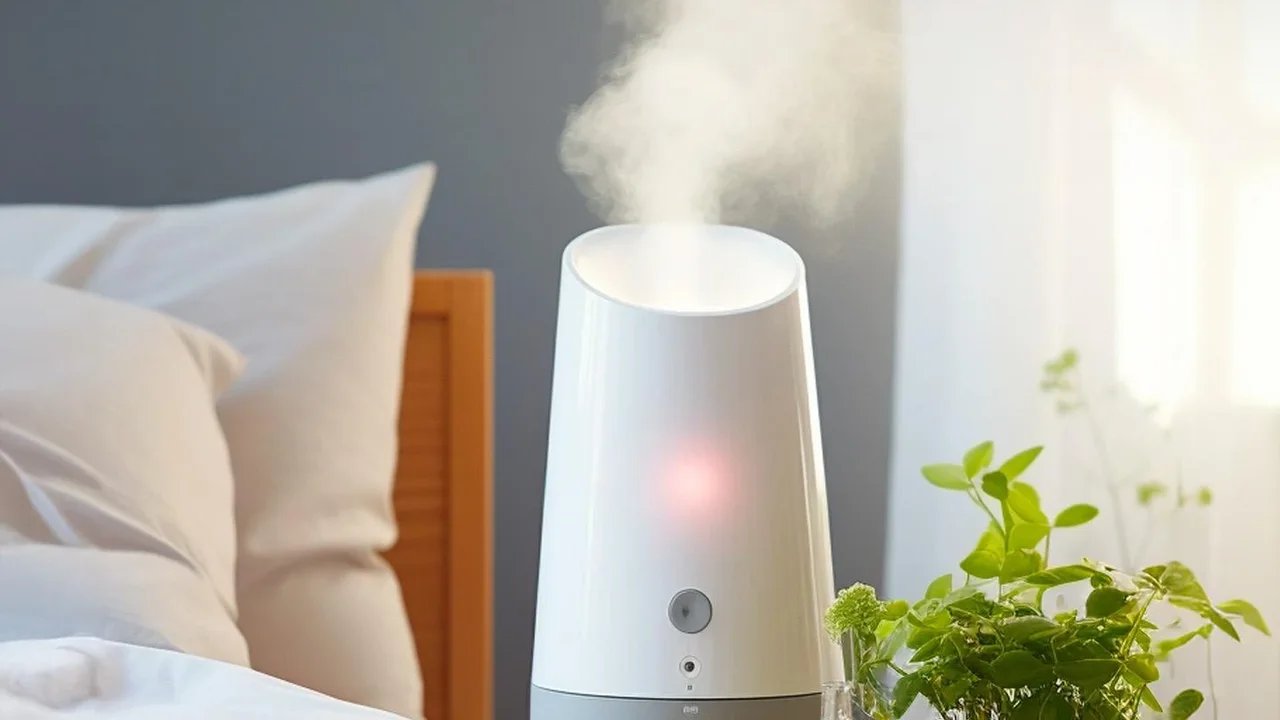
Deep cleaning often focuses on surfaces, but ignores the air itself. Airborne pathogens can circulate within a building, especially in poorly ventilated spaces. While facility management is responsible for maintaining HVAC systems, staff habits can also play a role in improving air quality. Simple actions, like briefly opening windows to allow for fresh air circulation (where possible and safe), can help dilute the concentration of indoor pollutants and germs. Encouraging staff not to block air vents with furniture or boxes ensures that the ventilation system can function as designed. It’s a small but important part of a holistic approach to a healthy workspace that surface cleaning alone cannot achieve.