



The Birth of the Chariots
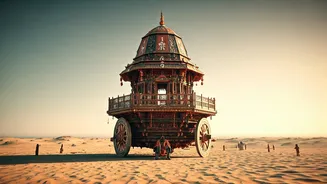
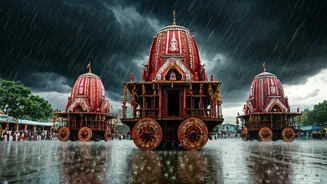
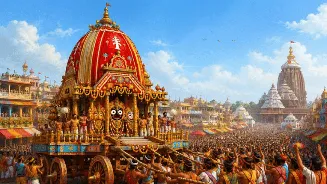
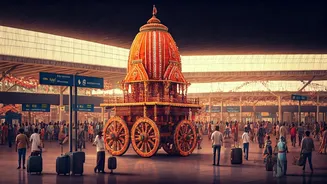
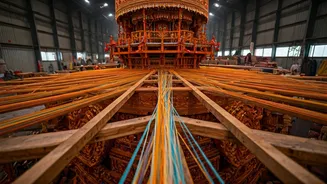
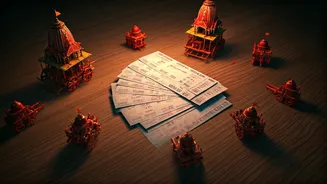
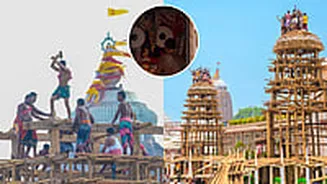
The preparations for Rath Yatra begin months in advance, on the auspicious day of Akshaya Tritiya. [38] This is when the construction of the three iconic chariots—Nandighosa for Lord Jagannath, Taladhwaja for Lord Balabhadra, and Darpadalana for Goddess
Subhadra—officially commences. [36, 44] A team of hereditary artisans, known as ‘Maharanas’, undertakes this sacred task. [42] Using traditional knowledge passed down through generations, without modern machinery or written blueprints, they craft the colossal structures entirely from specific types of wood like Phasi and Dhaura. [41, 43] Every year, new chariots are built, a testament to a living tradition where devotion is measured in every hand-carved wheel and perfectly fitted axle. [38] This painstaking process, hidden from the public eye, is where the first stirrings of the Yatra's energy are felt.
The Divine Bath: Snana Yatra
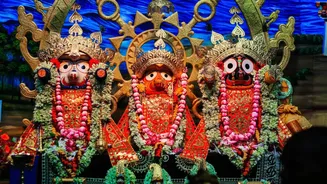
The first major public event, Snana Yatra, takes place about two weeks before the main procession. [26] On this day, the full moon of the Jyeshtha month, the deities are brought out from the temple’s inner sanctum in a grand procession called Pahandi. [21, 35] They are taken to the Snana Bedi, a special bathing platform, for their annual ceremonial bath. [27] A total of 108 pitchers of fragrant, herbal water drawn from a sacred well inside the temple complex are poured over the deities. [27, 35] This ritual, considered the birthday of Lord Jagannath, is the first time in the year the public gets a darshan (viewing) of the idols, drawing thousands of devotees who believe witnessing it cleanses them of all sins. [33] After the bath, the deities are famously adorned in the ‘Hati Besha’ or elephant attire. [35]
A Fortnight of Seclusion and Care
Following the elaborate bath, a uniquely human-like tradition unfolds. The deities are believed to fall ill with a fever and are moved into a private chamber called the 'Anasara Ghara' for a fortnight of rest and recuperation. [22, 23, 27] During this 15-day period, known as Anasara, the temple is closed to the public, and the deities are kept from view. [25] Special servitors called Daitapatis attend to them, offering Ayurvedic remedies, including a special herbal oil called 'Phuluri Tela' and a specific diet to aid their recovery. [22, 23] This period of separation intensifies the devotees' longing and anticipation for the deities’ reappearance. [25] In their absence, worshippers offer prayers to 'Patti Dians'—traditional Pattachitra paintings representing the deities. [23, 30]
The Rejuvenation and First Glimpse
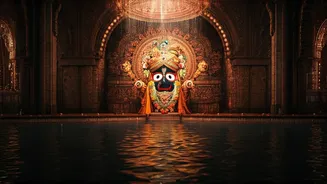
The Anasara period concludes the day before Rath Yatra with a ritual called 'Nava Jaubana Darshan'. [37] This marks the 'first glimpse of new youth', where the newly recovered and repainted deities are presented for public viewing. The temple comes alive again as devotees flock to see the rejuvenated forms of Lord Jagannath, Lord Balabhadra, and Goddess Subhadra. The artists, or 'Chitrakars', have by now given the idols their final, vibrant touches, including painting their iconic eyes in a ceremony called 'Netra Utsav'. [37] The air crackles with excitement; the chariots stand ready, resplendent in their bright canopies and intricate carvings. The fever of anticipation reaches its peak, setting the stage for the grand journey to the Gundicha Temple the following day. [39]