






The Arrival: A New Space Race Begins
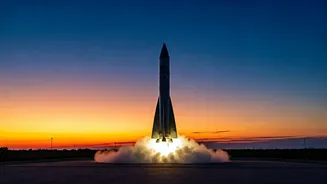
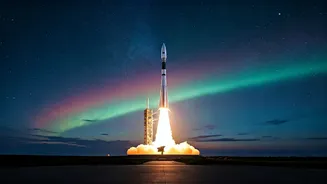
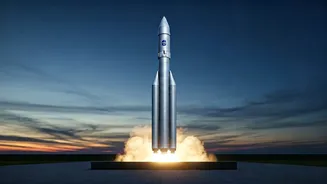
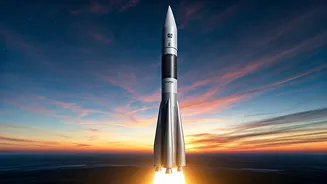
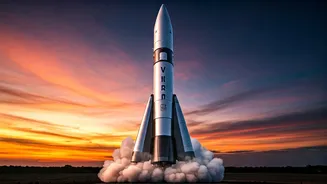
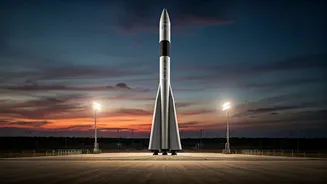
The hum of activity at the Sriharikota launchpad signals more than just another rocket launch; it marks the beginning of a new chapter for India. Skyroot Aerospace, a Hyderabad-based startup, is preparing for the maiden orbital flight of its Vikram-1
rocket, with a launch window set to open in mid-July 2026. This mission, aptly named 'Aagaman' or 'The Arrival', is not merely a technical demonstration. It represents the crossing of a critical threshold for India’s entire private space industry. Following its successful suborbital flight of Vikram-S in 2022, Skyroot’s attempt to place satellites into orbit is the moment the sector has been building towards. This isn't a lone effort. Chennai-based Agnikul Cosmos, which successfully tested its semi-cryogenic 3D-printed engine in a suborbital flight in 2024, is also a key player in this emerging ecosystem. Together, these companies are transforming the country's space narrative from a government-led monopoly to a dynamic public-private partnership.
Why Private Rockets Are a Game-Changer
The core of India's space ambition now lies in its economic potential, which is projected to grow from around $8 billion today to over $44 billion within a decade. Achieving this requires capturing a larger slice of the global space economy, currently estimated to be worth hundreds of billions of dollars. This is where private rockets become essential. The global demand is booming for the launch of small satellites, which power everything from Earth observation to broadband internet constellations. While ISRO's powerful rockets are workhorses for large, complex missions, they are not always cost-effective or available for the kind of rapid, dedicated launches that small satellite operators require. Private companies like Skyroot and Agnikul are designing smaller, agile, and more affordable launch vehicles like Vikram-1, which is designed to carry payloads up to 350 kg to Low Earth Orbit. Their goal is to offer a high-cadence, 'on-demand' service that can compete directly with international players like SpaceX and Rocket Lab, turning India into a global hub for commercial space launches.
The Policy Shift That Unlocked the Skies
This private rocket moment did not happen in a vacuum. It is the direct result of a landmark policy shift initiated in 2020, which opened the historically state-controlled space sector to private enterprise. The creation of the Indian National Space Promotion and Authorisation Centre (IN-SPACe) was a pivotal move. Acting as a single-window agency, IN-SPACe's mandate is to promote, guide, and authorise the activities of private players, effectively bridging the gap between startups and the established expertise of ISRO. This new framework allows private companies to use ISRO’s world-class testing facilities and launch infrastructure, dramatically lowering the barrier to entry. The government has further bolstered this ecosystem by liberalising Foreign Direct Investment (FDI) norms and establishing a dedicated venture capital fund to support space-tech innovation, signaling a clear intent to nurture this nascent industry.
Navigating the Turbulence Ahead
Despite the palpable excitement, the path to a thriving commercial space industry is fraught with challenges. A successful first launch is a critical milestone, but sustained success depends on proving reliability and achieving a regular launch cadence. Indian space startups face intense competition from established international companies that have a significant head start. Furthermore, the industry is incredibly capital-intensive. While investments are growing, access to consistent, patient capital, especially in the early stages, remains a significant hurdle for deep-tech ventures with long development cycles. Companies must also navigate a complex regulatory environment that is still evolving; India is yet to enact a comprehensive national space law. Overcoming these obstacles will require not just technological prowess but also continued policy support and a robust domestic and international customer base.