






The Myth of the Closed Jungle
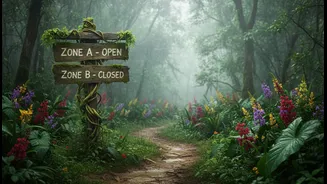
The most common belief is that all national parks in India shut down from July to September. While it's true that the core zones of most major tiger reserves close to allow for breeding season and to prevent damage to muddy trails, the story doesn't end
there. A significant number of parks keep their buffer zones open, offering a regulated and often more intimate safari experience. Parks in states like Karnataka, such as Kabini and Nagarhole, remain open year-round, weather permitting. Similarly, reserves in the Western Ghats like Periyar in Kerala welcome visitors, where boat safaris provide a unique vantage point on the rejuvenated landscape. Central Indian parks like Tadoba, Pench, and Kanha have well-managed buffer zones that are thriving ecosystems in their own right, providing ample opportunity for wildlife encounters.
Beyond the Big Cat Checklist
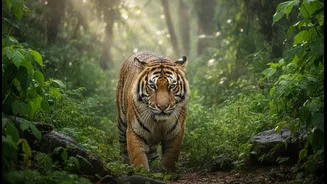
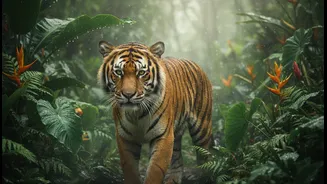
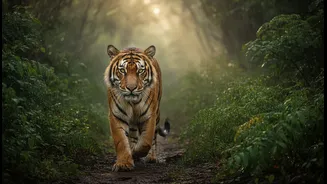
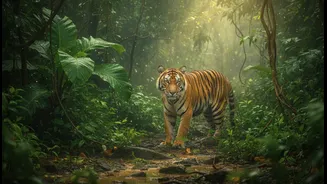
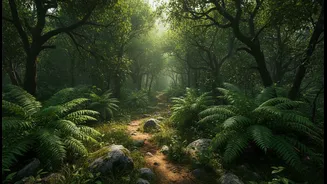
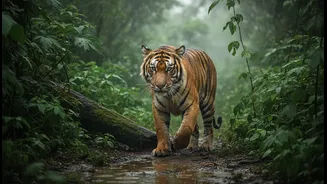
Summer safaris are often driven by a singular goal: spotting a tiger. The dry conditions force animals to congregate around scarce water sources, making sightings more predictable. The monsoon, however, demands a shift in perspective. With water everywhere, animals are more dispersed. This is not a drawback but an invitation to appreciate the forest's entire spectacle. The season belongs to amphibians, reptiles, and insects. Jungles come alive with the calls of frogs, the sight of unique fungi, and the flutter of countless butterflies. For birdwatchers, it’s a paradise, with species like the Malabar whistling thrush, paradise flycatcher, and various hornbills being particularly active. While tiger and leopard sightings still happen—the damp ground can make their movements quieter—the real joy is in discovering the smaller wonders that the lush greenery reveals.
The Right Parks for a Rainy Day
Choosing the right destination is crucial for a successful monsoon trip. Tadoba-Andhari Tiger Reserve in Maharashtra is a top choice, with its buffer zones offering some of the highest tiger densities. In the south, Kabini (part of Nagarhole National Park) in Karnataka is famous for its elephant herds and the dramatic scenery around its reservoir. Periyar National Park in Kerala offers a unique experience with its boat safaris on the lake, where you can spot elephants, gaur, and sambar against a backdrop of misty hills. For those in Central India, the buffer zones of Pench and Satpura National Park in Madhya Pradesh provide fantastic, less-crowded alternatives, with Satpura offering unique walking and boat safaris. In Rajasthan, select zones (usually 6-10) of Ranthambore may remain open, showcasing a different, greener side of its arid landscape.
Gearing Up for the Adventure
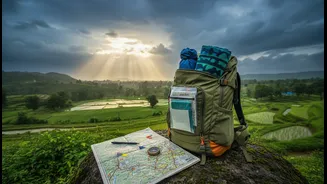
A monsoon safari requires practical preparation. First, accept that you will get wet. Pack quick-drying synthetic clothes instead of cotton, which absorbs moisture and can leave you feeling cold. A reliable raincoat or poncho is non-negotiable. Protect your electronics, especially cameras, with waterproof bags or covers. The humid conditions are also perfect for leeches, particularly in dense, moist forests. While harmless, they can be a nuisance. Wearing leech-proof socks or tucking your trousers firmly into your boots can provide a good barrier. Carrying a small pouch of salt or a tobacco solution can help deter them. Most importantly, maintain a flexible itinerary. Heavy rain can sometimes lead to temporary trail closures, so having a backup plan or an extra day is a smart move.
A Photographer's Dream
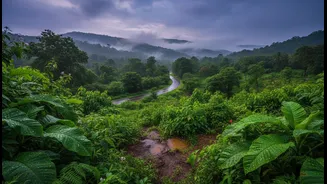
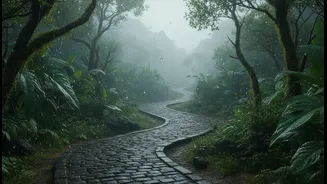
For photographers, the monsoon offers a canvas that the dry season cannot match. The harsh sunlight of summer is replaced by soft, diffused light, perfect for capturing rich colours without harsh shadows. The landscape is transformed into a vibrant tapestry of emerald greens. Mist hanging over valleys, raindrops on leaves, and dramatic cloud-filled skies create opportunities for breathtaking atmospheric shots. This season allows you to move beyond standard wildlife portraits and capture the jungle's moody, ethereal character. It’s a chance to tell a different story—one of revival, abundance, and the sheer beauty of nature in its most dynamic state.