




The Omega-3 Advantage
Both chia and flaxseeds are celebrated for their high content of alpha-linolenic acid (ALA), a plant-based omega-3 fatty acid. Our bodies can't produce ALA, so we must get it from our diet. This essential fat is linked to improved cardiovascular health,
including potentially lower blood pressure and reduced 'bad' LDL cholesterol. While flaxseeds generally offer a slightly higher concentration of ALA per gram, both seeds are excellent sources. It is important to note, however, that the body's conversion of ALA into the other vital omega-3s, EPA and DHA (found in fatty fish), is limited. Therefore, while these seeds are a fantastic source of plant-based omega-3s, they shouldn't be seen as a direct replacement for marine sources if your goal is to increase EPA and DHA levels specifically.
Chia vs. Flax: Key Differences
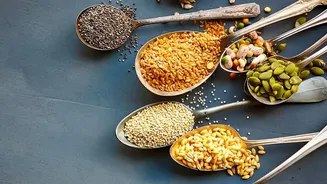
While both seeds are nutritional powerhouses, they have unique profiles. Flaxseeds must be ground before consumption; otherwise, the whole seeds pass through the digestive system largely intact, and you won't absorb their nutrients. Once ground, flax provides a potent dose of ALA and compounds called lignans, which have antioxidant properties. Chia seeds, on the other hand, do not need to be ground. They are incredibly hydrophilic, meaning they absorb many times their weight in liquid, forming a gel-like substance. This makes them a great thickener. Chia seeds also have a slight edge in fibre content and are a fantastic source of minerals like calcium, which is vital for bone health.
More Than Just Fats: A Fibre and Protein Boost
Beyond omega-3s, these tiny seeds are packed with dietary fibre. Adding a tablespoon or two to your oats significantly increases your fibre intake, which is crucial for digestive health and promoting a feeling of fullness. This sustained satiety can help manage weight by preventing mid-morning snacking. The soluble fibre in both the oats (beta-glucan) and the seeds helps to slow down the absorption of sugar into the bloodstream, leading to more stable energy levels. Furthermore, both seeds contribute a welcome dose of plant-based protein, making your breakfast more nutritionally balanced and helping to keep you fueled for longer.
The Perfect Texture Transformation
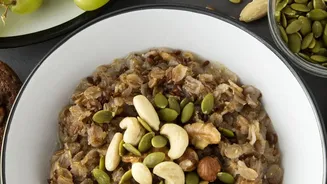
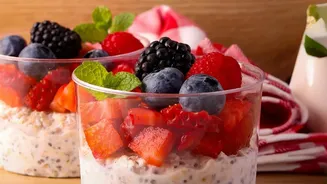
The functional properties of these seeds are just as impressive as their nutritional stats. When added to oatmeal, they dramatically improve the texture. Chia seeds, with their gelling ability, make oats thicker, creamier, and more voluminous. This creates a pudding-like consistency, especially in overnight oats. Ground flaxseeds also act as a thickener, lending a rich, slightly nutty flavour to the bowl. For those who enjoy a heartier texture, these seeds elevate a simple bowl of oats into a more satisfying and texturally interesting meal.
How to Add Them to Your Oats
Incorporating these seeds is simple. For every serving of oats, stir in one to two tablespoons of your chosen seed. If using flaxseeds, ensure they are ground to unlock their benefits. You can buy pre-ground flaxseed or grind whole seeds yourself in a coffee or spice grinder. When adding chia seeds, it's a good idea to add a little extra liquid (about 1/4 cup per tablespoon of seeds) to account for their absorbency and let the oatmeal sit for a few minutes to allow the seeds to gel. This works perfectly for both hot stovetop oatmeal and cold overnight oats.