





Prep Your Peels
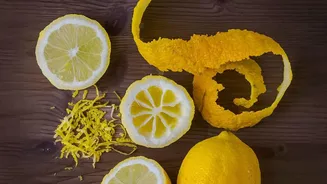
Before you begin any recipe, proper preparation is key. If you can, opt for organic oranges to minimize pesticide residue on the skin. Regardless, always wash your oranges thoroughly under running water before peeling. For many recipes, you’ll want to avoid
the bitter white part of the peel, known as the pith. A sharp knife or a good quality peeler can help you remove the zest with minimal pith attached. However, for marmalades, the pith is a valuable source of natural pectin, which helps the preserve to set, so it's often included. Boiling the peels, sometimes multiple times, is a common step to soften them and reduce bitterness before they are used in syrups or preserves.
The Classic: Orange Marmalade
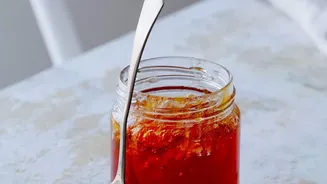
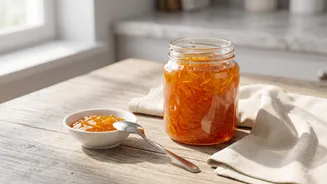
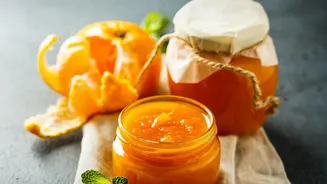
The most iconic use for citrus peels is, of course, marmalade. This classic preserve balances the sweetness of sugar with the slight bitterness of the peel for a complex, spreadable treat. To make it, you'll thinly slice the prepared orange peels and combine them with orange pulp, sugar, and water. The mixture is then boiled until it reaches a gelling point. The natural pectin in the peels and fruit helps it thicken. Some recipes suggest boiling the peels multiple times in fresh water to remove bitterness before adding them to the sugar syrup. The process requires patience, as it can take about an hour of simmering, but the reward is several jars of golden, homemade marmalade that far surpasses anything store-bought.
A Sweet Treat: Candied Orange Peels
Candied orange peel is a delightfully simple and elegant way to repurpose your leftovers. The process involves simmering strips of peel in a simple sugar syrup until they become tender and translucent. After simmering for about 45 to 60 minutes, the peels are removed from the syrup and laid on a wire rack to dry. Once they are slightly cooled but still sticky, you can toss them in granulated sugar for a classic crunchy coating. Let them dry completely, and you have a sweet confection that's perfect for snacking, garnishing desserts, or even dipping in melted dark chocolate for an extra-luxurious treat. The leftover citrus-infused syrup is a bonus ingredient that can be used to sweeten teas, cocktails, or drizzle over cakes.
Creative Kitchen Infusions
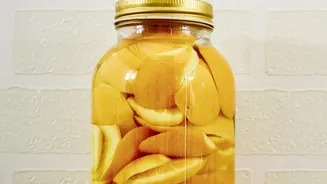
Orange peels are bursting with essential oils, making them perfect for infusing flavour into other kitchen staples. Create a zesty citrus salt by combining finely grated orange zest with coarse sea salt; you can use it fresh or dried in an oven on low heat. This aromatic salt is fantastic for seasoning vegetables, fish, or even lining the rim of a cocktail glass. You can also make citrus-infused oil or vinegar. Simply place clean, dry peels into a jar and cover them with a neutral oil like olive oil or white vinegar. Let the mixture steep for a couple of weeks in a cool, dark place, shaking it occasionally. The result is a flavourful, custom ingredient for salad dressings and marinades.
Beyond the Kitchen: Aromatic Home Hacks
The usefulness of orange peels extends beyond edible creations. Their potent fragrance makes them a fantastic natural air freshener. Simmer a few peels in a pot of water on the stove, perhaps with a cinnamon stick or some cloves, to fill your home with a warm, inviting scent. You can also create a simple, non-toxic all-purpose cleaner. Just soak orange peels in a jar of white vinegar for two weeks. The vinegar extracts the cleaning oils (limonene) from the peels, creating a powerful degreaser with a pleasant citrus smell. Strain the liquid, dilute it with water in a spray bottle, and you have an eco-friendly cleaner for countertops and surfaces.