







The Allure of Ziro Valley
Nestled in the lower Subansiri district of Arunachal Pradesh, Ziro Valley is a destination that captivates visitors with its serene beauty and unique culture. Often described as one of India's most picturesque landscapes, the valley is home to the Apatani
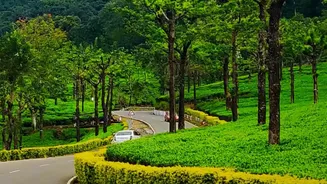
tribe, whose sustainable agricultural practices have earned it a spot on UNESCO's Tentative List for World Heritage Sites. The landscape is a stunning canvas of sprawling rice fields, dense pine forests, and traditional bamboo houses perched on stilts. Unlike typical mountain destinations, Ziro is a wide, open valley, offering a sense of calm and space that feels worlds away from city life. It’s a place that encourages you to slow down, making it an ideal environment not just for a holiday, but for focused, inspired work.
A Festival Like No Other
Every September, this tranquil valley comes alive with the Ziro Festival of Music, an event renowned for its independent spirit and eco-conscious ethos. The 2026 edition is scheduled from September 24 to 27. The festival celebrates a diverse lineup of artists from across India and the globe, without a traditional headliner structure, putting the focus squarely on musical discovery. Set against the stunning backdrop of the Apatani landscape, the stages are famously constructed from local bamboo, and the entire event is managed with a strong commitment to sustainability. It’s an intimate gathering of music lovers, artists, and travelers, creating a unique community atmosphere that lasts for four magical days.
Making the Workation Work
The idea of working remotely from a place as idyllic as Ziro might seem challenging, but it's more feasible than ever. While the region has historically been underserved in terms of connectivity, recent initiatives have significantly improved the situation. Most homestays, cafes, and hotels in and around the main town areas now offer Wi-Fi, which locals describe as decent and generally better than in other remote parts of Arunachal Pradesh. For anyone planning a workation, it is crucial to confirm internet availability and stability with your chosen accommodation beforehand. Power backup is another important amenity to check for. Mobile networks like Jio have also been reported to work well, providing a reliable alternative for staying connected during work hours.
Choosing Your Scenic Homestay
The best way to experience Ziro is by staying in a local homestay. These accommodations, often run by Apatani families, offer an unparalleled opportunity for cultural immersion. Instead of a sterile hotel room, you get a cozy space in a traditional home, often with delicious home-cooked meals made from fresh, local ingredients. When booking for a workation, look for homestays that specifically mention amenities like Wi-Fi or a quiet corner that can serve as a workspace. Many homestays are located in scenic villages like Hari and Biirii, surrounded by paddy fields, offering a peaceful environment perfect for both work and relaxation. Staying with a local family provides a unique window into the Apatani way of life, from their farming techniques to their rich traditions.
Planning Your Trip: Logistics and Permits
Getting to Ziro requires some planning. The most common route is to fly or take a train to Guwahati in Assam, and from there, take an overnight train to Naharlagun in Arunachal Pradesh. From Naharlagun, it’s a scenic 3-4 hour taxi ride up to Ziro Valley. Alternatively, you can fly to airports closer to Ziro, such as Hollongi (Itanagar) or Lilabari, and then travel by road. Crucially, all non-native Indian citizens must obtain an Inner Line Permit (ILP) to enter Arunachal Pradesh. This can be applied for online through the official government portal and should be done well in advance of your trip. The permit is mandatory and will be checked at entry points into the state. During the festival period, booking accommodation and transport far in advance is highly recommended as the valley sees a large influx of visitors.