


The Mountain Calling
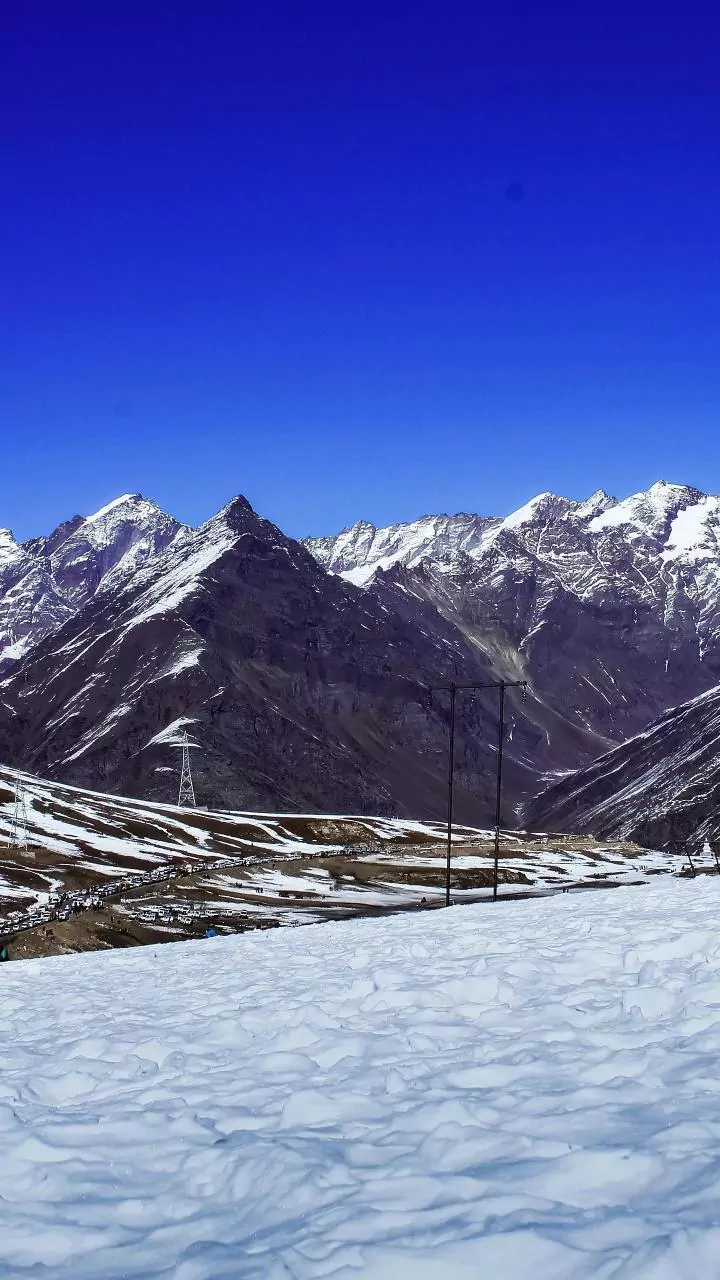
There's an undeniable magic to the mountains that offers a perfect antidote to the hustle of city life. Hill stations across the country are witnessing a surge in young travellers seeking crisp air, scenic vistas, and a touch of adventure. Destinations
like Manali and Shimla in the north remain classic choices, offering everything from trekking and paragliding to quaint cafes with stunning valley views. In the south, places like Munnar in Kerala and Coorg in Karnataka are popular for their sprawling tea and coffee plantations, serene homestays, and tranquil atmosphere. These trips are no longer just about escaping the summer heat; they are about wellness, digital detox, and finding a peaceful corner to work from, transforming a regular weekend into a refreshing 'workation'. The accessibility of these locations by road or short flights makes them ideal for a three or four-day itinerary.
Coastal Calm and Chaos
At the other end of the spectrum are the sun-drenched coastal towns, which promise a blend of relaxation and vibrant energy. Goa, of course, continues to be a magnet for young crowds with its legendary beaches, nightlife, and Portuguese-influenced culture. However, many are now exploring beyond the usual haunts, seeking out quieter shores. Varkala in Kerala, with its stunning cliffs adjacent to the Arabian Sea, has become a hotspot for yoga enthusiasts and backpackers. Similarly, Gokarna in Karnataka offers a more laid-back, bohemian vibe compared to its more famous neighbour, Goa. These coastal breaks are all about soaking up the sun, enjoying fresh seafood, trying out water sports, and experiencing the unique cultural pulse that defines India's coastline. From Pondicherry's French Quarter to the pristine beaches of the Andamans, the options are as diverse as they are appealing.
The Rise of the 'Workation'
Perhaps the biggest driver of the mini-break trend is the normalization of remote and hybrid work models. The 'workation'—a trip where one works from a picturesque location—has moved from a niche concept to a mainstream practice. Young professionals are swapping their home offices for homestays with strong Wi-Fi in the hills or beachside shacks. This allows them to blend productivity with leisure, finishing a day's work and immediately stepping out to explore a new environment. Destinations have been quick to adapt, with many hotels, hostels, and homestays now offering long-stay packages, dedicated workspaces, and reliable internet connectivity. This trend is not just about a change of scenery; it's a fundamental shift in the perception of work-life balance, where travel is integrated into the daily routine rather than being a separate, once-a-year event.
Diving into Culture and Heritage
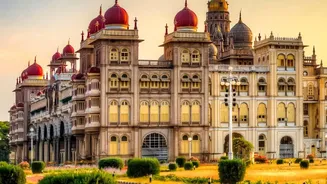
Mini-breaks are not just about nature and relaxation; they are also an opportunity for cultural immersion. A short trip offers the perfect window to explore India's rich history and heritage without feeling overwhelmed. Cities like Jaipur and Udaipur in Rajasthan are perennial favourites, allowing travellers to experience majestic forts, vibrant markets, and royal hospitality over a long weekend. Down south, the ruins of Hampi in Karnataka or the ancient temples of Mahabalipuram in Tamil Nadu provide a fascinating glimpse into the past. These trips are often experience-driven, focusing on local food, walking tours, and understanding the history of a place. For many young travellers, these cultural deep dives are a way to connect with their roots and gain a deeper appreciation for the country's diverse tapestry.
Budget-Friendly and Spontaneous
A key factor making these mini-breaks so popular is their affordability. Unlike a long, elaborate vacation, a three or four-day trip is easier on the wallet and requires less planning. The rise of boutique hostels, budget-friendly homestays, and platforms like Airbnb has made accommodation more accessible and economical. Young travellers have become adept at finding deals on flights and trains, often planning spontaneous trips when a good opportunity arises. They prefer to spend on experiences—like a local cooking class, a guided trek, or a scuba diving session—rather than on lavish hotels. This mindset of prioritizing experiences over luxury, combined with a willingness to travel in the off-season, makes these frequent getaways a sustainable habit rather than a rare indulgence.