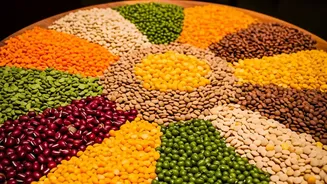





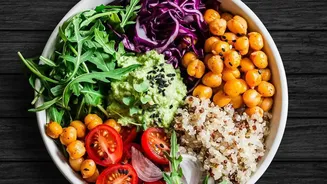


The Nutritional Powerhouse
There's no debating the nutritional credentials of pulses. They are packed with plant-based protein, dietary fibre, and essential micronutrients like iron, folate, and magnesium. This powerful combination offers significant health advantages. The high
fibre and protein content promotes satiety, leaving you feeling fuller for longer, which can be a valuable tool for weight management. Studies show that regular consumption of pulses can lead to modest weight loss. Furthermore, their low glycaemic index helps stabilise blood sugar levels, making them an excellent choice for individuals managing diabetes. Research also links pulse consumption to improved heart health, including lower cholesterol and blood pressure.
A Practical Pantry Staple
For households in India, pulses are more than just a health food; they are a cultural and culinary foundation. From toor dal and moong dal to rajma and chana, these ingredients are central to daily meals. Their practicality is a major reason for their popularity. They are inexpensive, have a long shelf life, and are incredibly versatile. Pulses can be the star of a simple dal, a hearty curry, a nutritious salad, or a crispy snack. This ease of integration makes the advice to “eat more pulses” seem straightforward and achievable for many, unlike other dietary trends that might require expensive or hard-to-find ingredients.
Where the Guarantee Fades
Here is where the headline's caveat becomes crucial: results are not guaranteed. The benefits of pulses do not exist in a vacuum. Simply adding them to an otherwise unhealthy diet may not move the needle on your health goals. For example, if you add a portion of chickpeas to a diet already high in fried foods and refined carbohydrates without making other adjustments, you are mainly just adding more calories. Preparation methods are also critical. A simple, home-cooked dal is a world apart, nutritionally, from dal makhani laden with butter and cream or deep-fried pakoras made from pulse flour. Moreover, individual digestive systems react differently. For some, a sudden increase in fibre from pulses can lead to bloating and gas, though this often subsides as your body adapts.
Getting the Most from Your Meals
To truly unlock the benefits of pulses, they must be part of a broader healthy eating pattern. Think of them as a team player, not a solo superstar. The most significant benefits are seen when pulses replace less healthy options, such as red meat or refined grains. Instead of just adding a bowl of dal, consider swapping a portion of white rice for a mixed-grain-and-lentil khichdi. Pair a chickpea salad with a lean protein for a balanced lunch. To aid digestion, increase your intake gradually and ensure the pulses are well-cooked. Soaking them before cooking can also help reduce the compounds that cause digestive discomfort. By focusing on healthy preparation methods like boiling, steaming, and roasting, you can maximize their nutritional value without adding unnecessary fats and calories.