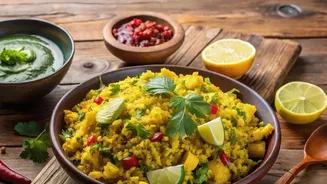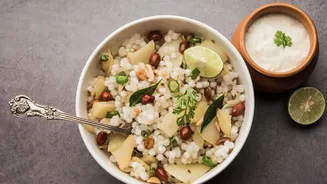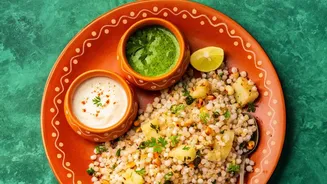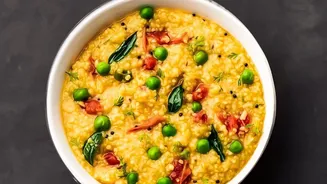



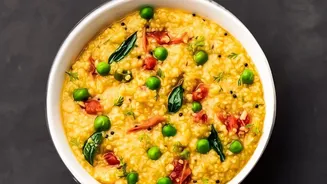
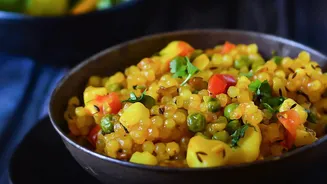
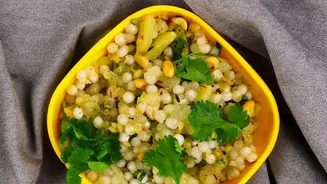
Khichdi and dalia are cornerstones of comfort and health in Indian kitchens. Both are praised as light, nutritious meals, but their nutritional profiles tell different stories. What really separates them, and how do lentils transform khichdi?
Khichdi's Secret: A Complete Protein Powerhouse
At its heart,
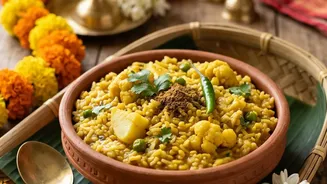
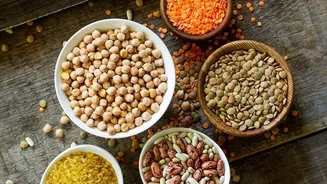
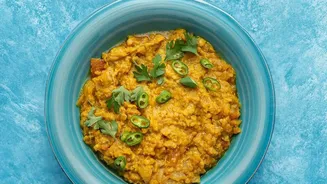
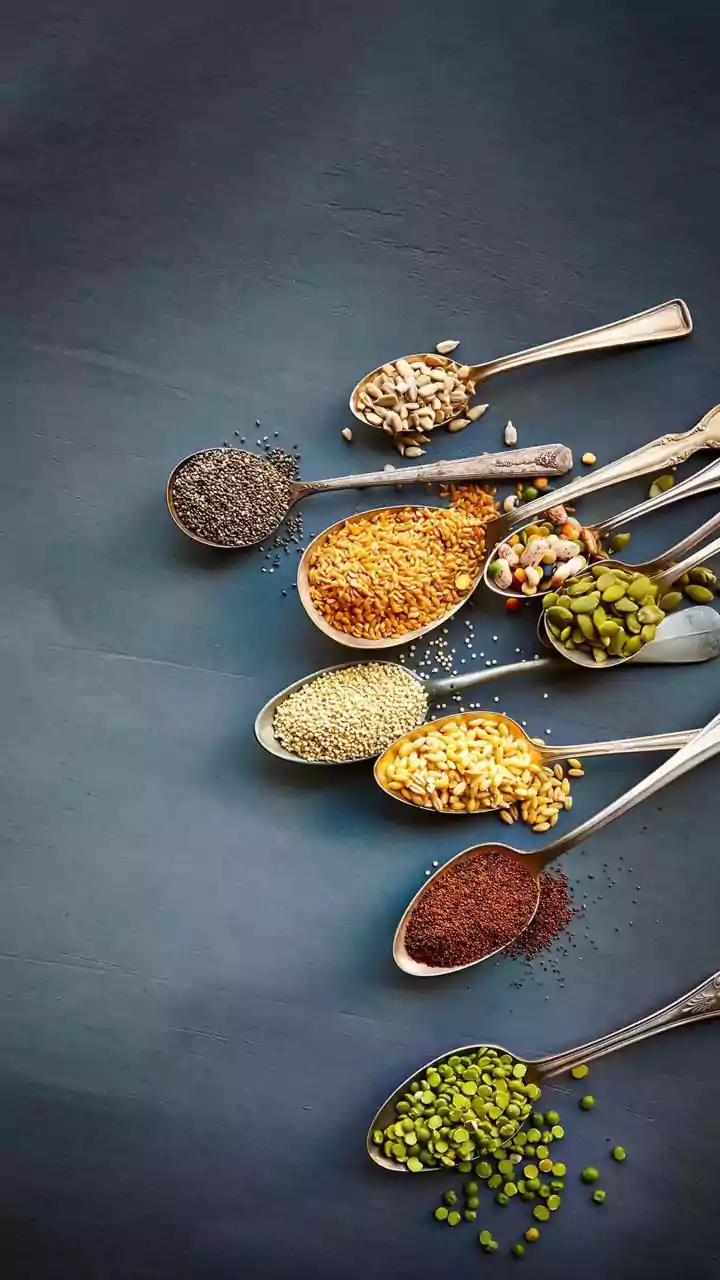
khichdi is a deceptively simple dish of rice and lentils, but its nutritional power lies in this very combination. Grains like rice are often low in the essential amino acid lysine, while lentils are low in methionine. When eaten together, they compensate for each other's limitations, forming a 'complete protein' that contains all nine essential amino acids necessary for bodily functions like muscle repair and growth. This makes khichdi an excellent source of high-quality vegetarian protein. Moong dal, the most common lentil used, is particularly prized for being easy to digest, which is why khichdi is a go-to meal during illness or recovery. The spices traditionally added, such as turmeric and cumin, also offer anti-inflammatory benefits and aid digestion.
Dalia's Domain: The Whole-Wheat Wonder
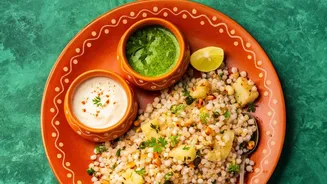
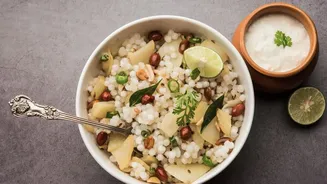
Dalia, also known as broken or cracked wheat, is a whole grain, meaning it retains its nutrient-rich bran and germ. Its standout feature is its high fibre content. This dietary fibre is crucial for digestive health, promoting regularity and feeding beneficial gut bacteria. Dalia is primarily a source of complex carbohydrates, which the body breaks down slowly. This provides a steady, sustained release of energy, unlike the sharp spikes and crashes associated with refined grains. Its robust texture and nutty flavour make it a versatile base for both savoury preparations like upma and khichdi, and sweet porridges.
The Nutritional Face-Off: Khichdi vs. Dalia
When placed side-by side, the unique strengths of each dish become clear. Protein: Khichdi generally has the edge here, thanks to the dal-rice synergy creating a complete protein profile. While dalia does contain a good amount of protein for a cereal grain, it isn't complete on its own. Fibre: Dalia is the clear winner in the fibre department. Made from whole wheat, it typically contains significantly more dietary fibre than the white rice commonly used in khichdi. This makes dalia more effective at promoting satiety, or a feeling of fullness. Glycemic Index (GI): Both are considered low-GI foods, meaning they don't cause rapid spikes in blood sugar. Dalia's GI is around 41–55, while moong dal khichdi's is around 48. Dalia's high fibre content gives it a slight advantage in slowing glucose absorption, making it an excellent choice for blood sugar management. Digestibility: Khichdi, particularly when made with moong dal, is famously light on the stomach and easy to digest. This makes it ideal for children, the elderly, and those recovering from illness. Dalia's higher fibre content, while healthy, can be harder for a compromised digestive system to handle.
Which One Should You Choose?
The choice between khichdi and dalia depends entirely on your personal health goals and needs. Choose Khichdi for: A complete protein boost, especially if you follow a vegetarian diet. It's also the superior choice when you need an easily digestible meal that is soothing for the gut during recovery or an upset stomach. Choose Dalia for: Weight management and sustained energy. Its high fibre content will keep you feeling full longer, helping to curb cravings. It's also a fantastic option for managing blood sugar levels due to its slow energy release. Of course, you can also get the best of both worlds by making dalia khichdi, which combines broken wheat with lentils for a meal that is high in both fibre and protein.