
The Great Indian Balancing Act
In urban India, the rhythm of life has changed. Dual-income households, longer commutes, and hectic schedules have made time a precious commodity. Yet, the cultural significance of food remains steadfast. For many, traditional meals are a powerful link
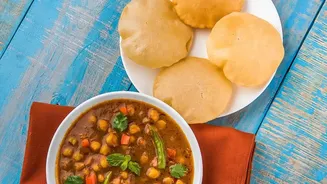
to family, region, and identity. This creates a distinct challenge: how to enjoy a home-style Rajma Masala or a complex Chettinad curry on a busy Tuesday night? For years, the answer was often a compromise, involving dining out or relying on basic instant foods that satisfied hunger but not the soul. Today, a new generation of food brands is proving that Indians no longer have to choose between convenience and tradition. The convenience food market in India is booming, expected to grow at a compound annual growth rate (CAGR) of over 14% between 2026 and 2034.
Beyond 'Just Add Water'
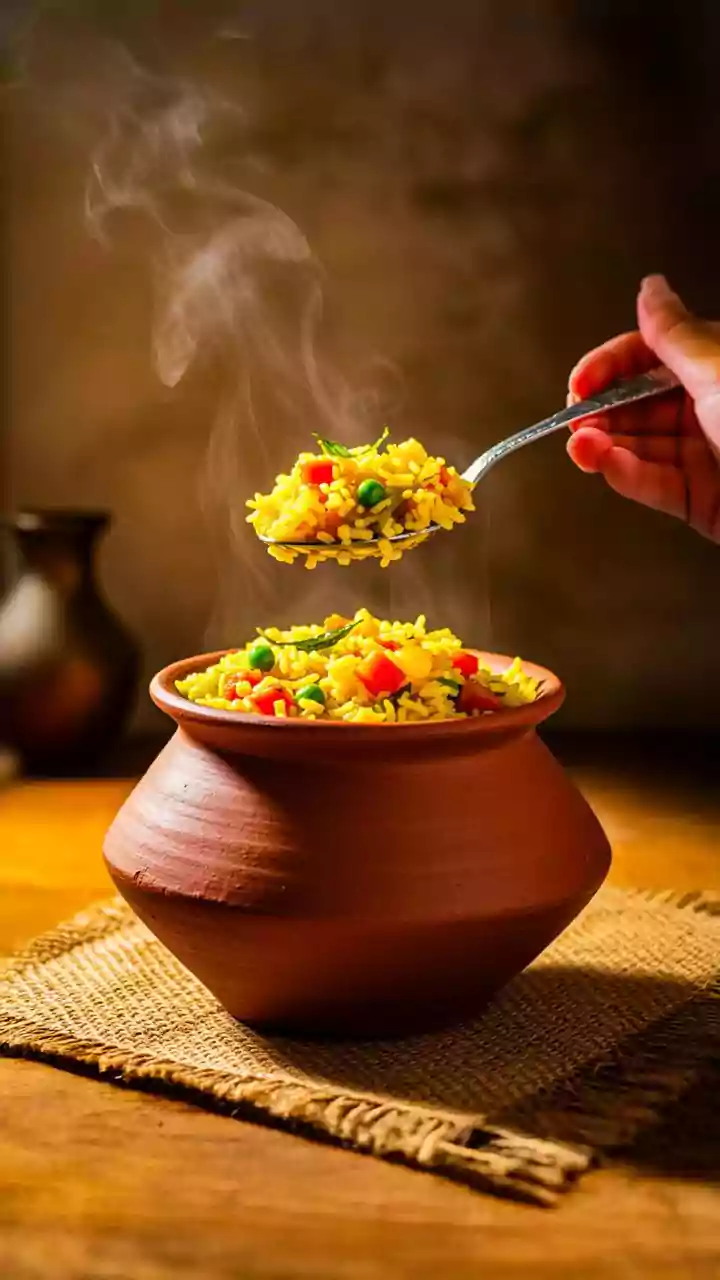
Early convenience foods were often met with skepticism, perceived as unhealthy or a pale imitation of the real thing. But the market has matured significantly. The new wave of products is not about replacing home cooking, but rather simplifying it. The focus has shifted to clean labels, preservative-free ingredients, and authentic taste profiles. This evolution is most visible in the Ready-to-Cook (RTC) segment, which is projected to grow at a staggering CAGR of around 25% between 2026 and 2032. Unlike Ready-to-Eat (RTE) meals, RTC products provide the base — a freshly made batter, a complex curry paste, or marinated ingredients — allowing the consumer to perform the final steps of cooking. This format offers the perfect middle ground: it saves hours of prep work while still giving the user a sense of ownership and the satisfaction of a freshly cooked meal.
From Regional Kitchens to National Carts
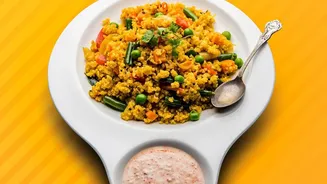
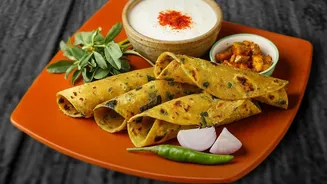
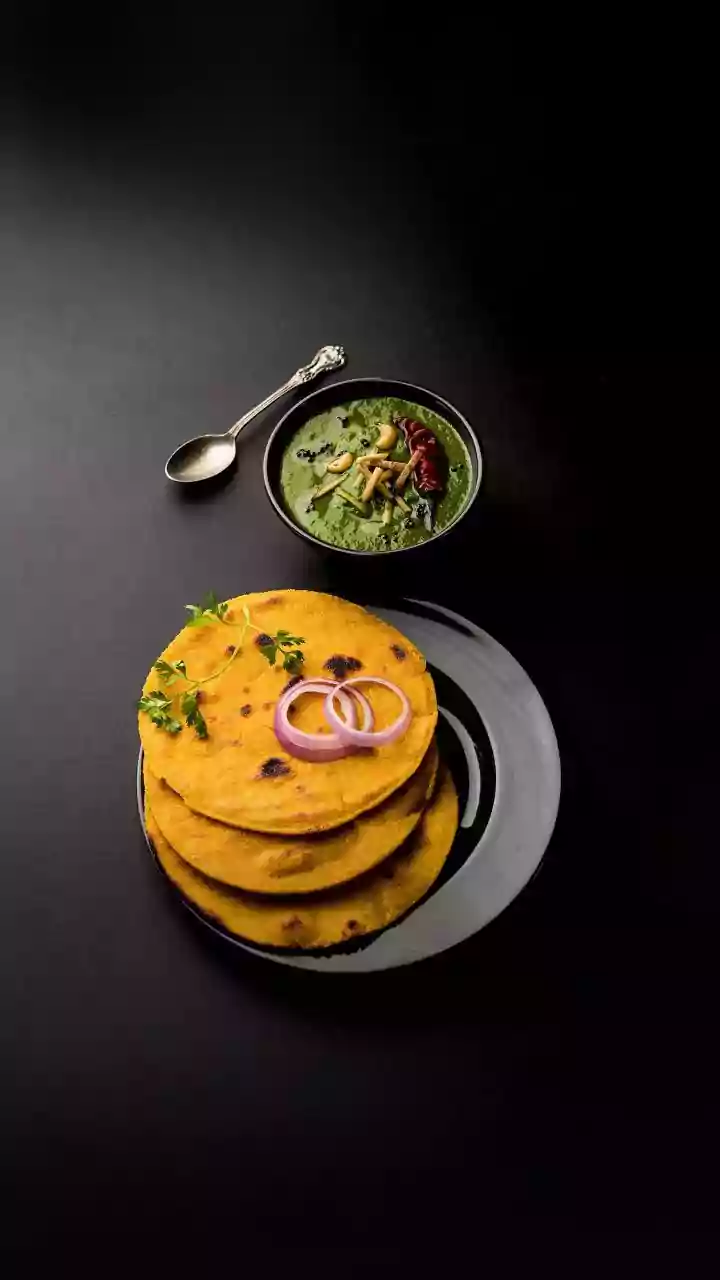
One of the most exciting developments is the democratization of regional cuisines. Dishes that were once confined to specific communities or were notoriously laborious to prepare are now becoming accessible to everyone. Brands are moving beyond generic 'butter chicken' and 'paneer makhani' to offer niche, regional specialities. Startups like CURRYiT, for instance, offer pastes for everything from Andhra Mutton Curry to Purani Delhi Chhole Masala, promising authentic flavours in under 15 minutes. This trend extends to snacks and sweets as well. Direct-to-consumer (D2C) brands are reviving traditional grains and millets in modern, snackable formats, and artisanal 'mithai' brands like Bombay Sweet Shop are reimagining festive sweets as premium, year-round indulgences by combining traditional techniques with contemporary flavours.
Technology and a Direct Connection
This culinary revolution is powered by advancements in food technology and new business models. Innovations in packaging and cold-chain logistics allow brands to deliver fresh or frozen products with longer shelf lives without relying on artificial preservatives. Furthermore, the rise of D2C and quick commerce platforms has been a game-changer. It allows brands to bypass traditional retail gatekeepers and establish a direct relationship with their customers. This direct line of communication provides invaluable feedback, enabling companies to iterate on their products quickly. It also allows smaller, niche players to compete with established FMCG giants by telling their story of sourcing, quality, and authenticity directly to an engaged audience that values transparency.