





The Industrial Signature
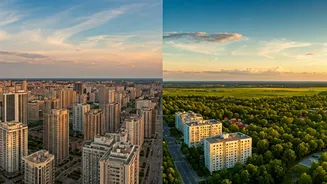
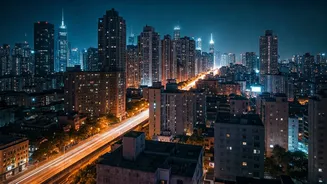
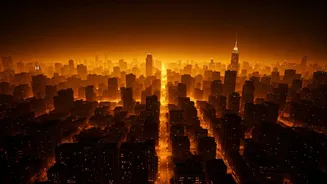
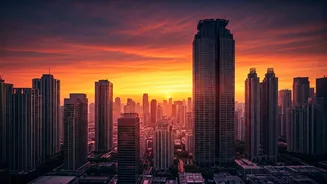
In the heart of an industrial city, the air tells a story of production and peril. The air in places like Ghaziabad or Bhiwani, which often rank among India's most polluted cities, is thick with a specific chemical signature. The dominant characters in this
narrative are particulate matter (PM2.5), sulfur dioxide (SO2), and nitrogen oxides (NOx). These are the direct byproducts of burning fossil fuels in factories, power plants, and vehicle engines. This atmospheric tale speaks of economic activity and livelihoods, but also of the heavy price paid in public health. The high concentration of these pollutants is a ledger of industrial output, but it also writes a grim story of respiratory illnesses and a strained environment, a reality for millions living in urban-industrial corridors.
A Whisper of Wilderness
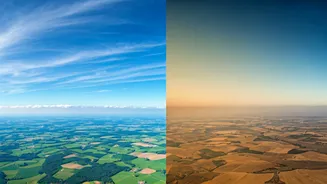
Travel far from the city, to the remote shores of Tasmania or the icy plains of Iceland, and the air tells a completely different tale. Here, at monitoring stations in places like Cape Grim, scientists capture what they call “baseline air”—some of the cleanest on Earth. This air's story is one of absence. It is largely free of the industrial pollutants that choke cities. Its narrative is written by the sea spray, carrying salt particles, and by the pollen of ancient forests. This pristine air serves as a global benchmark, a control sample that helps scientists understand exactly how much humanity has altered the atmosphere. It's a story of isolation, preservation, and what the world could breathe like in the absence of constant combustion.
The Scent of the Soil
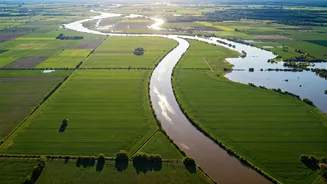
The air in rural and agricultural regions tells yet another story, one tied to the seasons and the soil. It may be free from the dense industrial smog of a metropolis, but it is not empty. Here, the air speaks of cultivation. A dominant voice in this story is ammonia (NH3), a gas released from fertilizers and livestock waste. During planting and harvesting, the air fills with dust and particulate matter from the soil. In many parts of India, the post-harvest season adds another chapter: the acrid smoke from stubble burning, which sends plumes of pollutants across vast distances, impacting air quality in cities hundreds of kilometres away. This story is not of factories, but of food production, a cycle of growth and decay that profoundly shapes the air for millions.
Data Detectives Reading the Signs
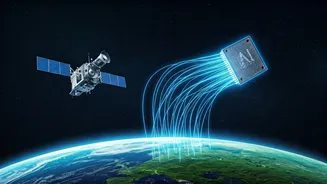
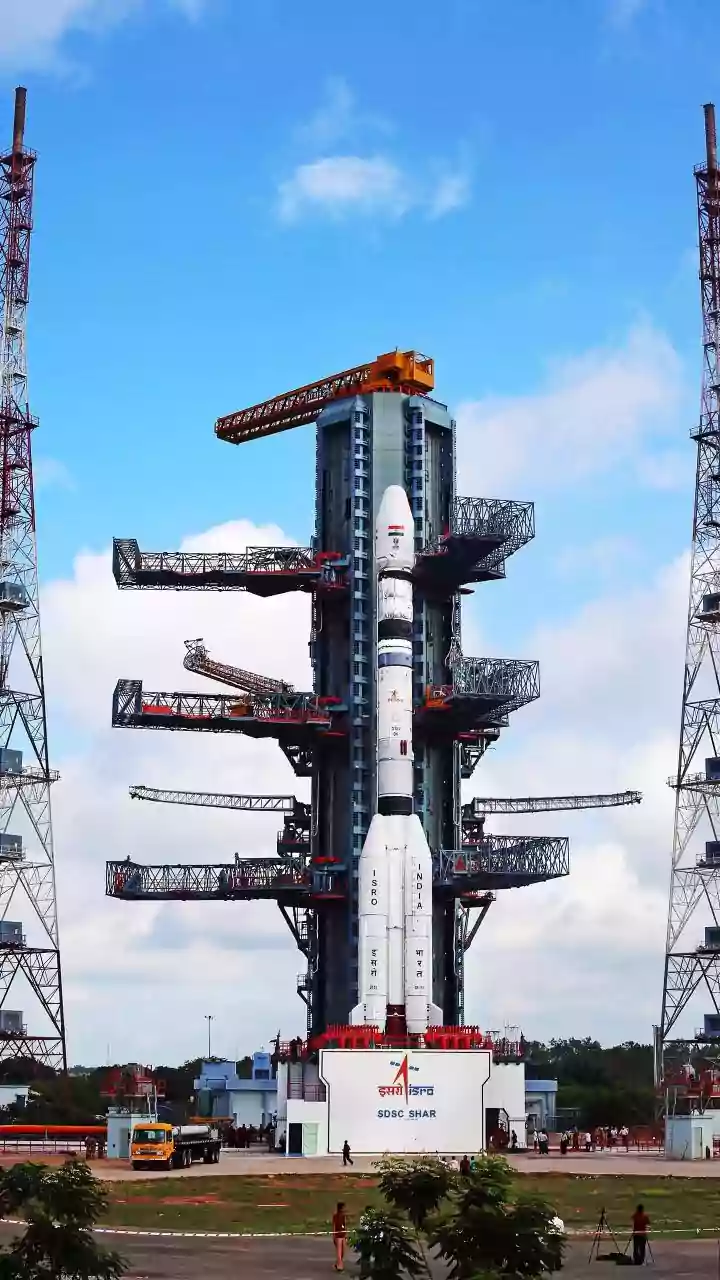
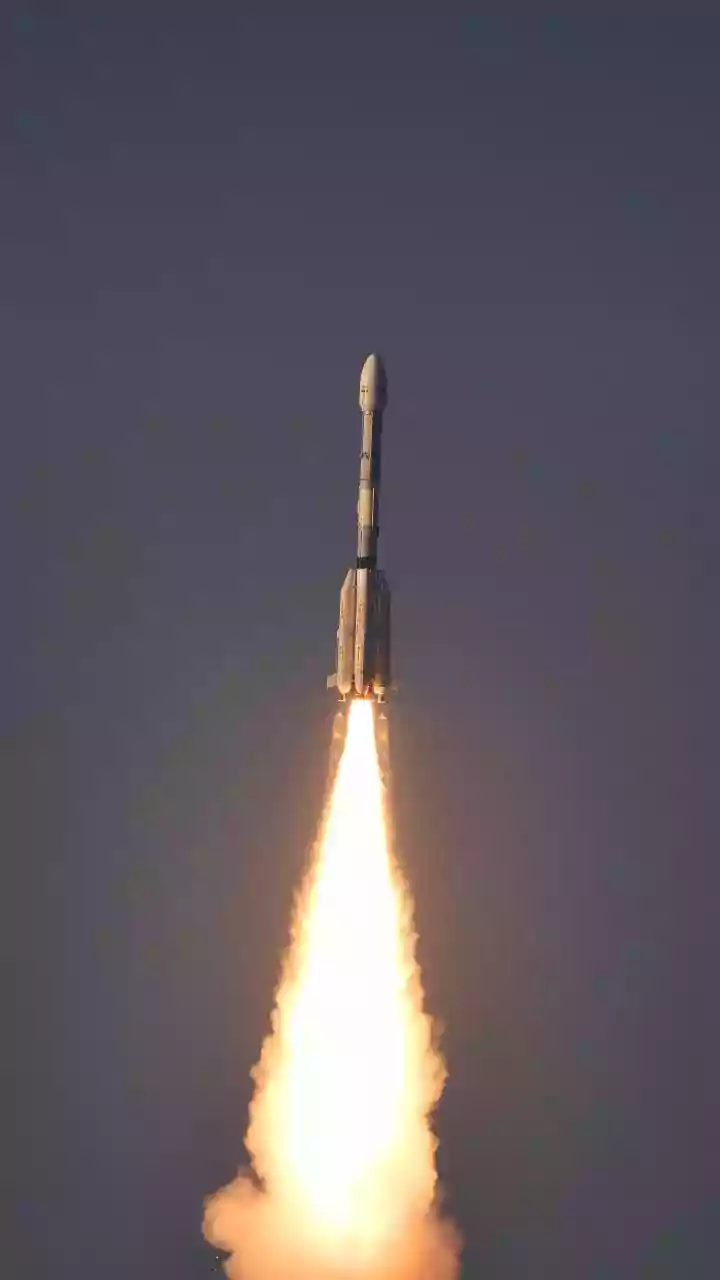
The ability to read these atmospheric stories has been transformed by technology. We are no longer reliant on just a few scattered monitoring stations. Today’s data detectives use a vast arsenal of tools. Satellites in orbit provide a god's-eye view, tracking plumes of nitrogen dioxide from traffic or sulfur dioxide from volcanic eruptions. Down on the ground, a growing network of low-cost sensors provides real-time, hyperlocal data, revealing pollution hotspots block by block. Artificial intelligence is now being used to sift through these massive datasets, forecasting pollution events and identifying their sources with incredible precision. This fusion of satellite, ground, and AI technology allows scientists, policymakers, and even citizens to decipher the air's complex narratives and understand the forces shaping their local environment.