





From a Nagging List to a Strategic Plan
Most homeowners and tenants view a repair list as a collection of annoyances to be dealt with eventually. However, this reactive approach is risky. Shifting your mindset from a simple 'what's broken' list to a 'what happens if this isn't fixed' document
is a game-changer. This transforms your list from a source of stress into a strategic tool for managing your home. It allows you to prioritize based on risk, not just irritation. This is crucial for both homeowners managing their investment and tenants who need to communicate effectively with landlords. In India, the Model Tenancy Act, 2021, outlines responsibilities, but understanding the potential damage helps clarify the urgency for all parties involved.
Category 1: The Code Red Issues
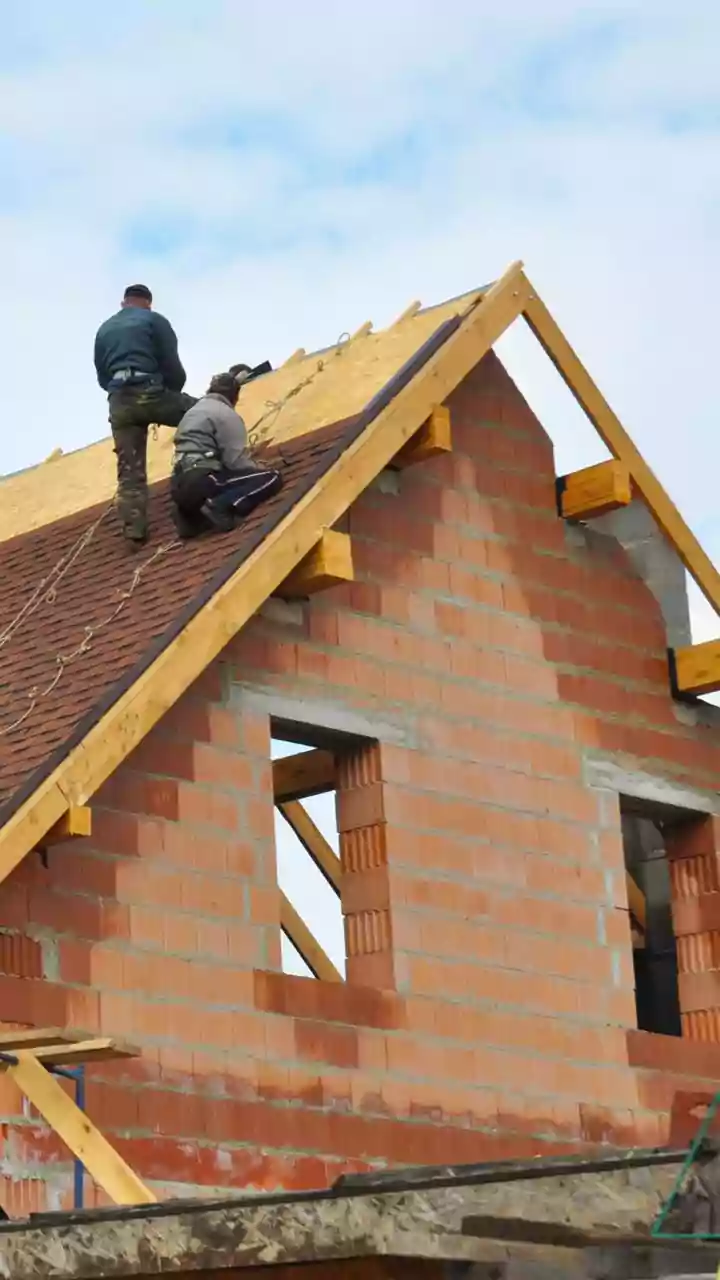
Some repairs cannot wait. These are the 'Code Red' items where the consequence of delay is immediate and severe. Think of major water leaks, electrical hazards, or structural problems. A leaking roof, for example, doesn't just create a puddle. It can lead to rotted structural beams, ruined insulation, widespread mould growth, and even create electrical fire hazards. Similarly, ignoring faulty electricals like sparking outlets, a buzzing breaker panel, or frequently tripping circuits can lead to devastating house fires, electrocution risk, or damage to expensive appliances. When you see these issues, the 'consequence' column on your list should read: 'Immediate safety hazard' or 'Risk of catastrophic and expensive damage'. These are the problems that jump to the top of the list for immediate professional attention.
Category 2: The Slow-Burn Problems
These are the sneaky issues that seem minor but can escalate into major headaches. This category includes small, slow leaks under a sink, cracked grout in a shower, peeling exterior paint, or minor foundation cracks. The consequence of waiting on these is a compounding damage cycle. That tiny drip can silently rot the cabinet floor and subfloor over months. Cracked grout allows water into walls, leading to hidden mould and tile failure. A small crack in the foundation can widen, affecting doors and windows and potentially costing tens of thousands to fix later. These repairs are about preventative action. The 'consequence' is the transformation of a small, affordable fix into a large, expensive and disruptive project. Documenting these helps you budget for them before they become emergencies.
Category 3: The Cosmetic and Convenience Fixes
This category covers issues that are primarily about aesthetics or minor inconvenience. This might include a chipped floor tile in a low-traffic area, a scuffed wall, a loose cabinet handle, or a drippy faucet that isn't causing water damage. While not urgent, there's still a 'consequence of waiting'. This could be a gradual decline in your enjoyment of the home, a negative impact on curb appeal, or a lower resale value. For tenants, while minor upkeep is often their responsibility, documenting these items is still wise. A clear, prioritized list, especially when distinguishing between major landlord responsibilities and minor tenant upkeep, fosters better communication and ensures the property is well-maintained.
How to Structure Your Consequence-Aware List
Creating this strategic list is simple. Use a notebook or spreadsheet with four columns: Issue, Location, Consequence of Waiting, and Urgency Level (e.g., Code Red, High, Medium, Low). For 'Consequence of Waiting', be specific. Instead of 'water damage', write 'Risk of ceiling collapse and mould growth in attic'. Instead of 'electrical issue', write 'Potential fire hazard from faulty wiring'. This clarity is powerful. It moves you beyond feeling overwhelmed and empowers you to make informed decisions. For tenants, this detailed log provides clear, compelling evidence when requesting repairs from a landlord, showing you understand the severity and are acting responsibly to flag potential damage.