







Embrace Warm, Nourishing Soups
There is nothing quite like a steaming bowl of soup on a rainy day. During the monsoon, our digestive system tends to become weaker, and warm, light meals are easier on the gut. Thin vegetable soups or broths made from seasonal produce like bottle gourd,
pumpkin, and carrots are excellent choices. For a classic comfort food, a simple tomato rasam, thin and spiced with pepper and garlic, can act as a natural decongestant and stimulate a sluggish appetite. Incorporating spices like ginger, turmeric, and black pepper not only adds flavour but also brings anti-inflammatory and immune-boosting properties to your bowl.
The Comfort of Khichdi
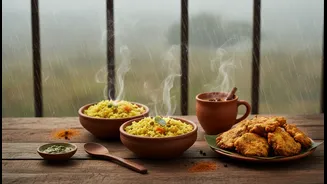
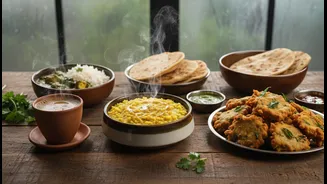
Khichdi is widely regarded as a quintessential monsoon meal in India, and for good reason. This one-pot dish of rice and lentils, particularly moong dal, is light, easy to digest, and incredibly soothing. According to Ayurveda, khichdi helps balance the body's energies, which can be disturbed during the rainy season. A basic moong dal khichdi can be prepared in under 30 minutes. To enhance its nutritional value, you can add easily digestible vegetables. A final tempering of ghee with cumin seeds and a pinch of asafoetida (hing) not only elevates the taste but also aids digestion and helps prevent bloating, a common issue in damp weather.
Opt for Steamed and Sautéed Vegetables
While we may crave deep-fried pakoras, this season calls for lighter cooking methods. Steaming and light sautéing are ideal ways to prepare vegetables. It's advisable to avoid raw salads and leafy greens, as the high humidity increases the risk of microbial contamination. Instead, focus on vegetables like bitter gourd (karela), pointed gourd (parwal), and ridge gourd (turai), which are seasonal and have properties that support health during this time. A simple stir-fry with minimal oil and seasoned with digestive spices like cumin and coriander is both safe and nourishing. Thoroughly washing all produce before cooking is crucial for food safety.
Light Lentils and Whole Grains
Heavy meals can tax the digestive system during the monsoon. Light dals, especially those made from moong dal, are excellent protein sources that are easy on the stomach. You can also make savoury pancakes like moong dal chilla, which serve as a nutritious breakfast or snack. When it comes to grains, opt for older rice and barley, which are considered lighter and easier to digest. Flattened rice (poha) and semolina (upma) are great breakfast options that are quick to cook and provide sustained energy without feeling heavy.
Immunity-Boosting Herbal Teas
Staying hydrated is important, but it's best to stick to warm beverages. According to both Ayurvedic principles and modern food safety guidelines, drinking boiled water is recommended. You can elevate your daily hydration by sipping on herbal teas. A classic adrak chai (ginger tea) is not just comforting but also helps fight off colds and improves digestion. Other beneficial options include tulsi (holy basil) tea or a simple concoction of warm water with lemon and honey. These drinks help keep you warm, flush out toxins, and give your immune system a gentle boost.
Smart Snacking Choices
The craving for snacks is undeniable when it rains. Instead of reaching for street food, which carries a higher risk of contamination, try healthier homemade versions. Roasted corn on the cob (bhutta) seasoned with lime and spices is a classic, safe choice. You can also make air-fried or baked pakoras using besan and vegetables to cut down on oil. Another excellent option is roasted makhana (fox nuts), which are light, crunchy, and high in protein. A simple sprouted moong chaat is also a healthy and flavourful alternative.