

The Cheapest View: A Train Window Seat
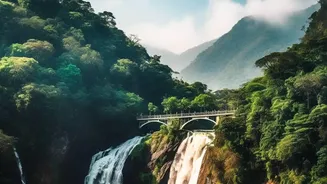
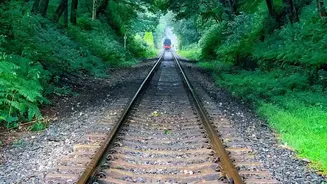
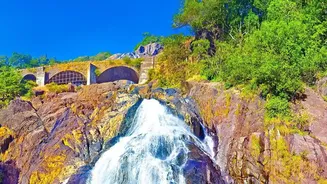
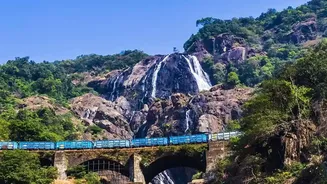
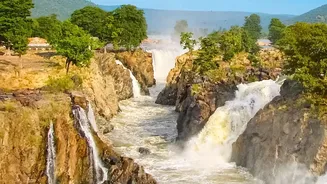
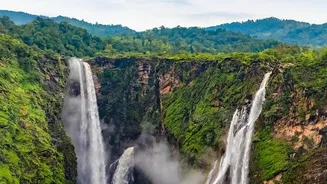
The single most affordable way to witness Dudhsagar is by not getting off the train at all. The railway line between Londa in Karnataka and Vasco da Gama in Goa passes directly in front of the waterfall, offering a spectacular, albeit brief, view. To
do this, book a seat on a passenger train like the Vasco da Gama-Kulem special or an express train that runs on this route. Opt for a general or sleeper class ticket for the lowest fare. The key is to grab a window seat on the correct side—ask fellow passengers or check the train’s direction. While express trains are faster, slower passenger trains often provide a longer, more lingering look at the falls. This hack gives you the million-dollar view for the price of a basic train ticket.
Choose Your Starting Point Wisely
To get up close to the falls, you'll need to reach the base. Your journey will almost certainly start from one of two railway stations: Kulem in Goa or Castle Rock in Karnataka. Kulem is the most popular and practical starting point. It's the hub for the official jeep safaris that take you through the Bhagwan Mahaveer Sanctuary to the waterfall's base. For budget travellers, staying near Kulem or travelling from a major Goan town like Madgaon is the most straightforward option. Castle Rock is an alternative, often preferred by trekkers, but facilities are more limited. By planning your journey to and from Kulem, you can better manage your time and expenses.
The Jeep Safari: Share to Save
The official way to reach the base of Dudhsagar is via a registered 4x4 jeep from Kulem. This is also where a significant chunk of your budget will go. The jeeps charge a fixed rate for the entire vehicle, which typically seats up to seven passengers. The biggest budget hack here is simple: don't travel solo. Arrive at the Kulem jeep stand and look for other small groups or couples to share the cost with. You'll almost always find other travellers with the same idea. By forming a full group of seven, you can slash the per-person cost dramatically, making the journey far more economical. The price usually includes the forest entry fee and a life jacket, which is mandatory for swimming in the pool at the base of the falls.
The Trekking Option: Adventure on a Shoestring
For the truly adventurous and budget-conscious, trekking to the falls is a rewarding experience. The most common trek is the 11-kilometre route from Kulem, which follows the railway line. However, this comes with a major caveat: walking on active railway tracks is officially prohibited by the Railway Protection Force for safety reasons, and restrictions are often enforced. Before you plan a trek, you must verify the current rules. An officially sanctioned trek through the forest, guided by forest department officials, is sometimes available. This is the safest and most responsible way to trek. While it involves a guide fee, it is still significantly cheaper than the jeep safari and offers a completely different experience of the surrounding jungle.
Timing is Everything
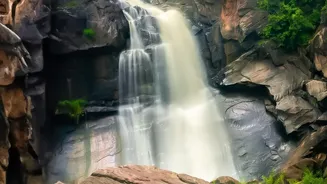
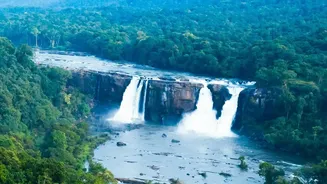
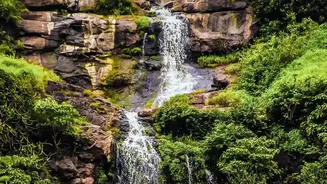
Dudhsagar, which translates to 'Sea of Milk', is at its thunderous best during the monsoon months from June to September. This is when you'll see the most dramatic and powerful flow. However, this is also peak season, and jeep safaris can be suspended during periods of very heavy rain. For a perfect balance of impressive water flow, good weather, and manageable crowds, plan your visit during the post-monsoon season, from October to December. The falls are still magnificent, the landscape is lush and green, and all transport options are generally operational. Travelling on weekdays instead of weekends can also help you avoid the biggest crowds and potential price surges.
Pack Smart to Avoid Needless Costs
Once you reach the waterfall, amenities are scarce and expensive. A simple bottle of water or a packet of chips can cost double the normal price. To keep your budget in check, pack your own supplies. Bring plenty of water, some energy-giving snacks like fruit or granola bars, and perhaps a packed lunch. Remember to carry a small bag to bring all your trash back with you, as this is an eco-sensitive area. Also, pack a change of clothes and a towel in a waterproof bag if you plan on taking a dip in the natural pool. Being self-sufficient means you won't have to spend a single extra rupee at your destination.