





More Than Just Flags and Footprints
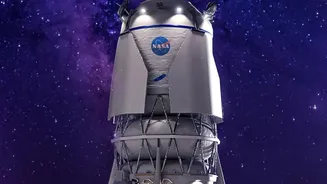
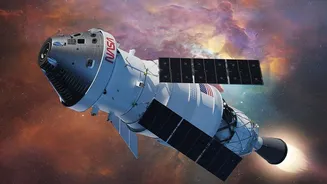
The Artemis program is fundamentally different from the Apollo missions of the 20th century. While Apollo was a series of sprints to the lunar surface, Artemis is designed to create a sustained human presence on the Moon. This involves building a base
camp near the Moon's South Pole and testing long-duration life support, advanced propulsion, and radiation shielding. The goal is not just to go to the Moon, but to learn how to live and work in a deep-space environment for extended periods. This long-term approach is essential because a round trip to Mars is expected to take up to three years, far longer than any lunar mission. By establishing this lunar outpost, NASA is methodically building a blueprint for the future of space travel and preparing for the much greater challenge of sending humans to Mars.
The Moon as a Martian Proving Ground
Every piece of technology and every operational procedure tested on the Moon is a vital step toward Mars. The lunar environment serves as a high-fidelity training ground. Astronauts will practice driving pressurized rovers, deploying scientific instruments, and working in new-generation spacesuits designed for planetary exploration. The Artemis Base Camp will be a testbed for systems that can utilize local resources, such as water ice found in permanently shadowed craters, to create breathable air and rocket fuel. These technologies and skills are directly transferable to a future Mars mission. Furthermore, NASA will use the Gateway, a planned outpost orbiting the Moon, to test medical capabilities that will allow crews to function with more independence from Earth, a crucial requirement for Mars missions where communication delays can be significant.
The Quest for Martian Samples
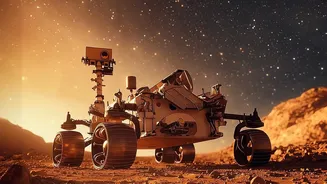
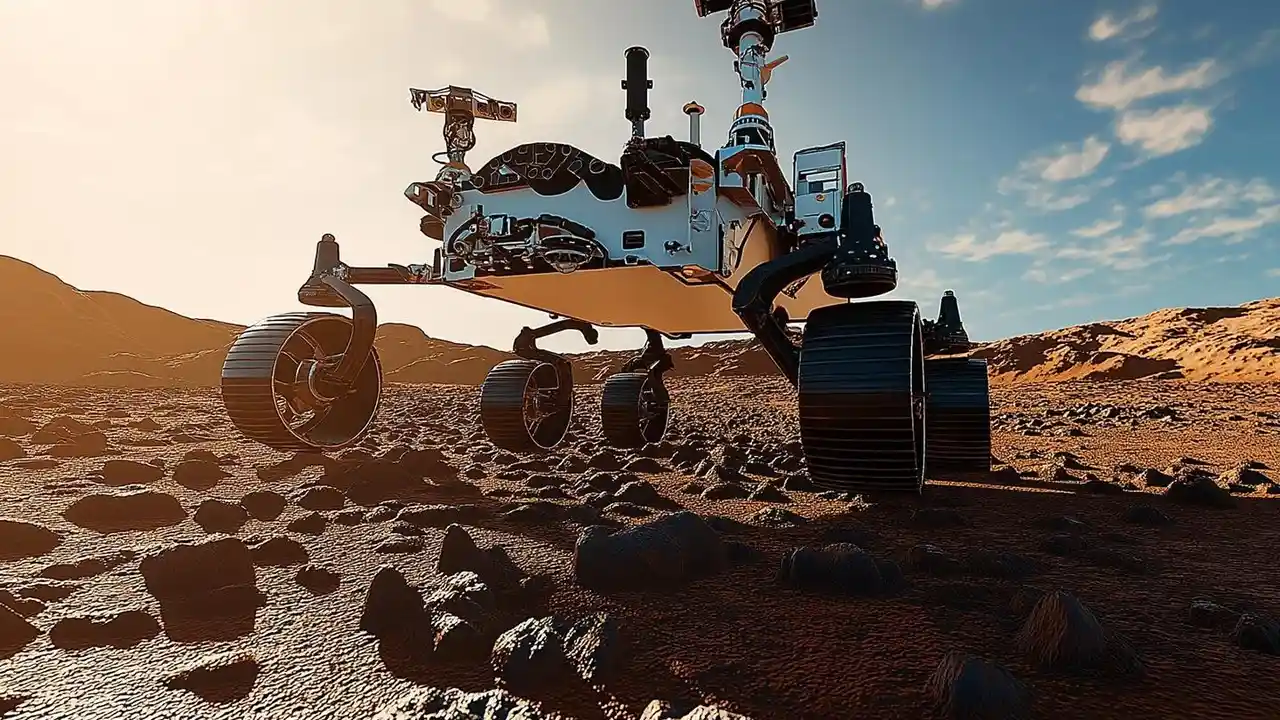
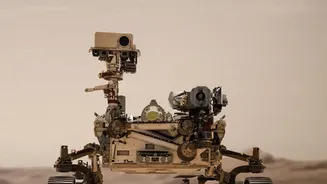
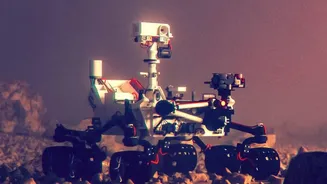
The ultimate scientific prize of Mars exploration is the return of pristine samples to Earth. NASA's Perseverance rover is already on Mars, collecting and caching rock and soil samples in designated tubes. The multi-stage Mars Sample Return (MSR) mission, a joint effort with the European Space Agency, aims to retrieve these samples. This involves sending a lander to retrieve the tubes, launching them into Mars orbit with a small rocket (the first ever from another planet), and having an orbiter capture the container for its journey back to Earth. The reason this complex effort is so critical is that even the most advanced rovers have limited analytical capabilities. Answering fundamental questions, like whether Mars ever hosted life, requires the power of Earth-based laboratories.
The Delicate Art of Bio-Sampling
Collecting a rock is one thing; collecting a potential biological sample is another entirely. This is where planetary protection protocols become paramount. These international standards are designed to prevent two types of contamination: 'forward contamination' (Earth microbes spoiling another world) and 'backward contamination' (potentially hazardous extraterrestrial material harming Earth's biosphere). To ensure the integrity of any potential signs of life, samples must be collected, stored, and transported without being contaminated by terrestrial organisms. This requires incredibly clean hardware, with spacecraft components assembled in sterile cleanrooms where technicians wear full-body 'bunny suits'. Furthermore, any samples returned from Mars must be handled in a highly secure containment facility on Earth, a specialized lab that combines the highest level of biosafety with cleanroom technology to protect both the sample and our planet.
Artemis as a Full Dress Rehearsal
The Artemis missions provide the perfect opportunity to practice these exacting bio-sampling procedures. When astronauts on the Moon collect geological samples, particularly from areas containing water ice, they will be refining the very techniques needed on Mars. They will learn how to handle sterile equipment in cumbersome suits, how to 'break the chain of contact' to ensure samples remain pristine, and how to operate within the strict planetary protection guidelines. Experience gained during Artemis will inform the design of hardware and the development of operational strategies for Mars. Essentially, learning to conduct contamination-free science on the Moon ensures that when we finally get the chance to collect samples on Mars, we will do so in a way that makes the results scientifically trustworthy. This meticulous preparation is what transforms Artemis from a simple return to the Moon into a crucial stepping stone for answering one of humanity's oldest questions: are we alone?