

Why Your Knife Skills Matter
The way a vegetable is cut directly influences its texture, flavour, and cooking time. The science is straightforward: cutting creates surface area. A smaller cut, like a fine dice, exposes more of the vegetable's cells. This increased surface area allows
heat to penetrate faster, leading to quicker cooking. It also means the vegetable will absorb oils and spices more readily, resulting in a more potent flavour infusion. Conversely, larger chunks cook slower and maintain more of their internal moisture and distinct texture. When you cut an onion or garlic, for instance, you rupture cells and release enzymes that create their characteristic pungent flavour; a finer mince produces a stronger taste than a rough chop. Thinking about the cut is thinking about the final dish.
The Right Cut for the Right Sabzi
Different dishes demand different cuts to achieve the best results. For a quick stir-fry or a dry sabzi like a cabbage poriyal, thin slices (slicing) or matchsticks (julienning) are ideal. These cuts cook rapidly over high heat, allowing the vegetables to become tender-crisp without turning mushy. For gravies, curries, and stews like a vegetable korma or sambar, uniform cubes (dicing) are your best friend. This ensures that vegetables like potatoes, carrots, and beans cook evenly and hold their shape during a longer simmer, providing a pleasant bite. For dishes that form a flavour base, such as the onion, ginger, and garlic masala for a curry, a very fine chop or mince is necessary to release maximum flavour and melt into the sauce.
Mastering Monsoon & Summer Vegetables
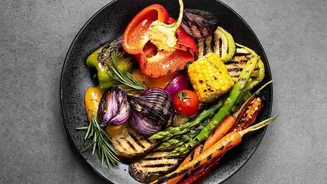
The hot and humid months bring vegetables that require specific handling. Take bhindi (okra), a favourite across India. To minimise its characteristic sliminess, you can slice it into rounds for a quick stir-fry or slit it lengthwise for grilling or pan-frying, which increases the surface area for a nice char. For gourds like lauki (bottle gourd) or turai (ridge gourd), the cut depends on the dish. Thin half-moons are perfect for a quick, everyday sabzi where you want them to cook down, while larger one-inch cubes are better for adding to dal or a tangy curry where they need to retain their shape and absorb the surrounding flavours.
Harnessing Winter's Hearty Harvest
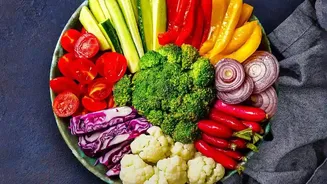
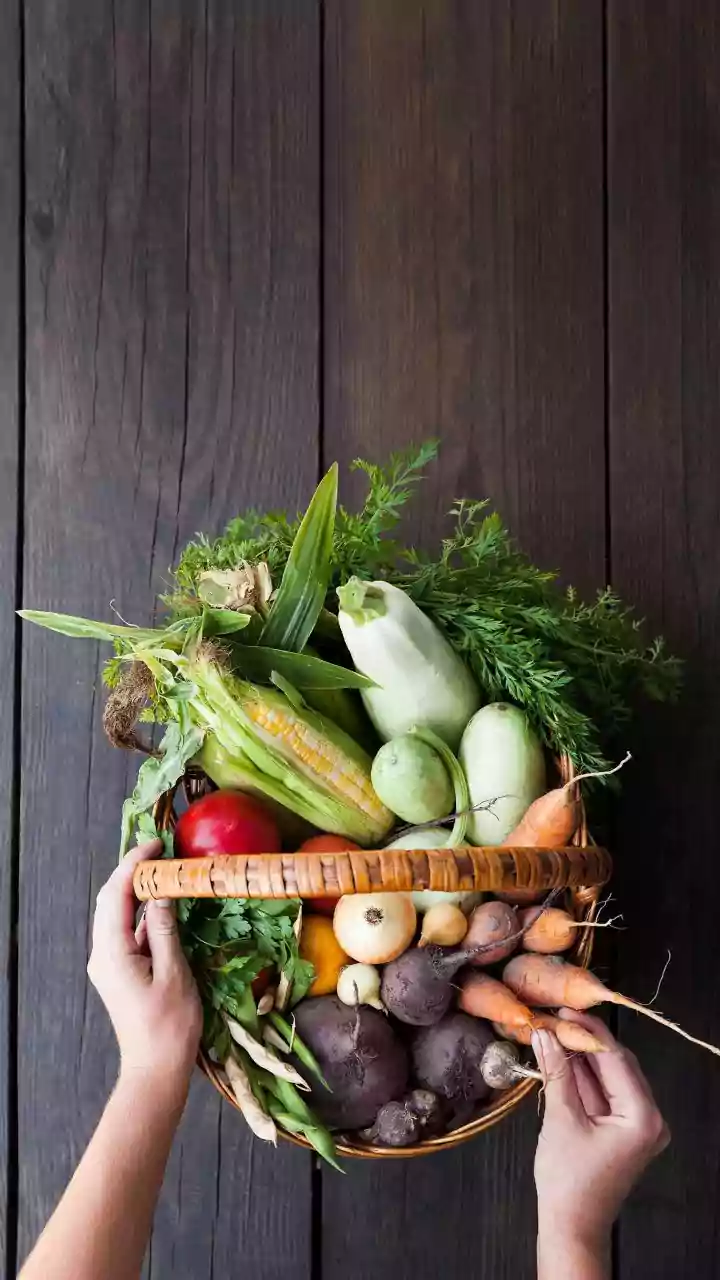
Winter brings a bounty of robust vegetables perfect for comforting meals. Carrots, for example, can be diced small to cook quickly with peas in a light vegetable pulao or cut into larger batons for a slow-cooked stew where they can soften without disintegrating. Cauliflower (gobi) is incredibly versatile based on its cut. Large florets are perfect for classics like Aloo Gobi or for roasting, where the edges can caramelise beautifully. If you finely chop or grate the same gobi, it becomes the ideal filling for a stuffed paratha. Similarly, leafy greens like palak (spinach) are roughly chopped for saag or dal, but cut into fine ribbons (a chiffonade) when used as a fresh garnish for soups and raitas.
Integrating Cuts into Your Meal Plan
Strategic cutting can be a cornerstone of efficient meal planning. When you plan your weekly menu, think about the cuts required. You can save significant time by prepping vegetables for multiple meals at once. For example, spend some time on Sunday dicing onions, carrots, and potatoes into uniform cubes. Store them in airtight containers in the fridge, and they are ready to be thrown into a curry, upma, or sabzi during a busy weeknight. If you're planning to make both a stir-fry and a soup, you can julienne your capsicum for the stir-fry and chop the rest into larger pieces for the soup in the same session. This methodical approach not only saves time but also brings a level of intention and variety to your cooking, making your seasonal meals more delicious and less stressful.