






The Rise of the Clean Label
A scroll through social media or a walk down a premium grocery aisle reveals a growing number of brands with minimalist packaging and ingredient lists you can actually understand. This is the world of 'clean-label' foods, a movement defined by simple,
recognisable ingredients and a lack of artificial additives, preservatives, or refined sugars. In India, this trend is rapidly gaining traction, with a 2026 report from the India Healthy Snacking Summit highlighting a surge in consumer demand for transparent and nutritious options. Young, health-conscious urban consumers are driving this shift, moving away from legacy brands and towards startups that promise honesty in a jar. For these new nut butter brands, 'clean-label' isn't just a marketing buzzword; it’s the entire foundation of their business, promising products made from whole ingredients, free from anything artificial.
A New Generation of Founders
Many of these new-age brands are born from personal quests for healthier food. The founders are often young professionals who, frustrated by the lack of genuinely healthy and tasty options, decided to create their own. For instance, the founders of The Butternut Company, one of the early movers in this space, identified a market gap for high-quality, unsweetened nut butters back in 2016. Similarly, the journey for Jus' Amazin began when its founders needed dairy- and soy-free options for their child and found the market lacking. These origin stories resonate with consumers who are tired of misleading labels and are looking for brands with an authentic mission. These entrepreneurs aren't just selling a product; they are selling a solution to a problem they themselves have faced.
Sourcing with a Conscience
A key pillar of this movement is the commitment to using locally sourced, whole ingredients. Brands proudly highlight the provenance of their materials, such as Native Tongue's use of Lakadong turmeric from Meghalaya or Byadagi chillies from Karnataka. This focus on local sourcing does more than just ensure freshness; it creates a powerful brand story rooted in Indian agriculture and regional specialties. It also allows startups to support local farming communities and build more transparent supply chains. For example, Nutty Village works directly with over 300 groundnut farmers in the Ganga belt, ensuring fair income for farmers and cleaner ingredients for consumers. This 'farm-to-jar' approach is a significant differentiator from larger corporations that often rely on complex, global supply chains.
Flavour, Spice, and Everything Nice
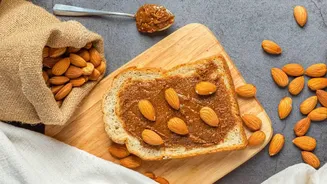
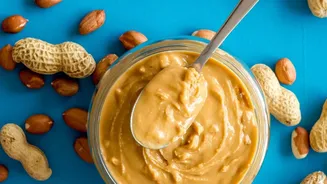
While health is a major driver, taste is non-negotiable. These startups are redefining nut butter by infusing it with familiar, traditional Indian flavours. Forget plain peanut or almond; think Thandai Nut Butter, Peri-Peri Cashew Butter, or Cashew Coconut with Saffron and Cardamom. Brands like Nutty Yogi developed a Thandai nut butter during Holi, translating a beloved festive flavour into a healthy spread. This innovation caters specifically to the Indian palate, which appreciates complex and spicy flavour profiles. While classic variants like unsweetened peanut butter remain bestsellers, these unique, spiced versions create excitement and help the brands stand out in an increasingly crowded market.
Building a Business in the Digital Age
The growth of these brands is intrinsically linked to the rise of direct-to-consumer (D2C) e-commerce. By leveraging social media platforms like Instagram and selling directly through their own websites, these startups can build a community, communicate their brand story, and maintain control over the customer experience. This digital-first approach allows them to bypass traditional retail gatekeepers and reach a nationwide audience of engaged consumers. While many eventually expand into physical retail stores and major e-commerce marketplaces like Amazon and Bigbasket, the D2C channel remains crucial for brand building and fostering customer loyalty. It’s a model that allows for agility, direct feedback, and the ability to tell a much richer story than a simple label on a shelf ever could.