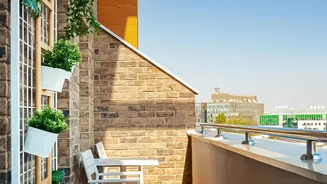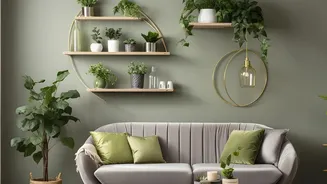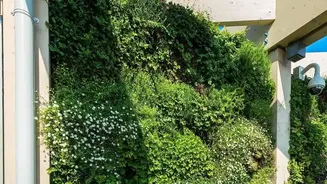

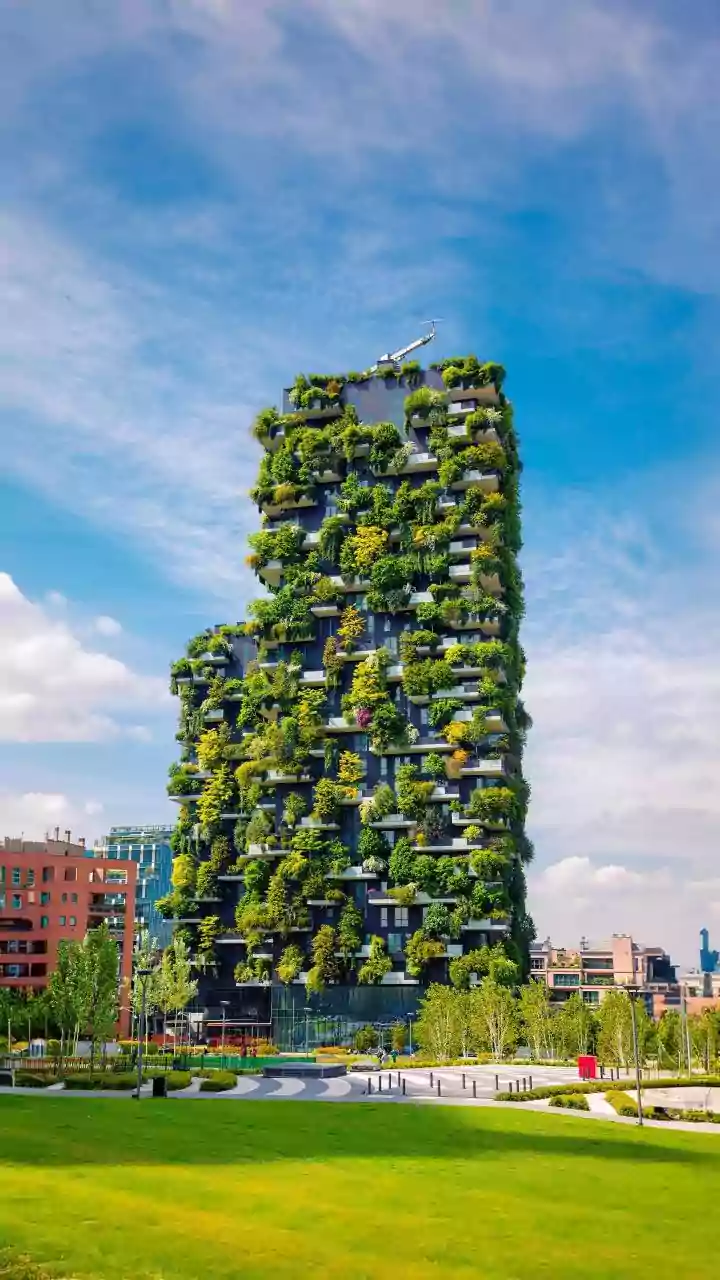


Living in an Indian city often means sacrificing garden space. But what if you could grow upwards? Vertical garden walls are a smart, beautiful solution for small balconies and homes, turning any bare wall into a lush, living masterpiece.
What is a Vertical Garden?
A vertical garden
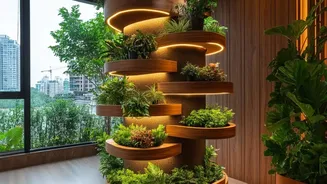
is a method of growing plants on a vertically suspended panel or structure, often attached to a wall. Instead of planting in the ground, you use the vertical space on walls, railings, or freestanding frames. This technique allows you to cultivate a surprising number of plants—from decorative foliage to fresh herbs and vegetables—in a very small footprint, making it perfect for city apartments and compact homes where floor space is a premium. It’s a garden that grows up, not out.
The Benefits of Going Vertical
The most obvious advantage is saving space. A bare balcony wall or fence can become a productive garden without taking up any ground area. But the benefits go further. Living walls act as natural air purifiers, absorbing pollutants and releasing oxygen, which improves indoor and outdoor air quality. They can also help cool your home by absorbing sunlight and providing insulation, potentially lowering energy costs. Beyond these practical perks, vertical gardens have a calming effect, reducing stress and beautifying your living environment.
Types of Vertical Garden Systems
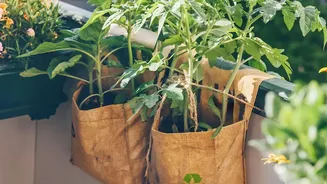
There are several systems to choose from, suiting different budgets and DIY skills. Pocket planters, made from felt or fabric, are a popular and easy option where you simply tuck plants into individual pouches. Modular systems consist of interlocking panels or plastic containers that can be fixed to a wall to create a solid 'living wall' effect. For a simpler, cost-effective approach, you can use a trellis to support climbing plants grown in a pot at the base. Other creative DIY ideas include using recycled pallets, hanging shoe organisers, or even rain gutters as planters.
Choosing the Right Plants for Indian Climates
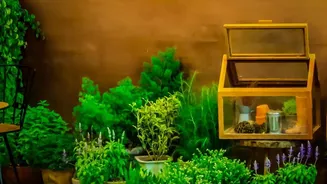
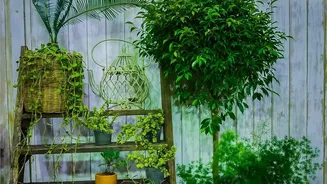
Plant selection is key to a thriving vertical garden. You must match the plants to the amount of sunlight your wall receives. For shady or low-light balconies, especially north-facing ones, opt for hardy plants like Money Plant (Pothos), Philodendron, Syngonium, Spider Plant, and various ferns. These are forgiving and create a lush, leafy look. If your wall gets several hours of direct sun, you can grow sun-loving species like dwarf Bougainvillea, Portulaca, and Vinca (Sadabahar). You can also create an edible garden with herbs like mint, coriander, and basil, or even compact vegetables like lettuce, spinach (palak), and chillies, provided they get adequate light.
Basic Setup and Installation
Before you begin, assess your space. Measure the wall and check how much sunlight it gets throughout the day. Ensure the wall you choose is strong enough to support the weight of the system, plants, and wet soil. For DIY setups like pocket planters, you'll need to securely fix the panel to the wall. Modular systems often come with their own mounting hardware. When planting, use a lightweight, well-draining potting mix, typically a combination of cocopeat, compost, and perlite, rather than heavy garden soil. Arrange plants with similar water and light needs together to make maintenance easier.
Essential Care and Maintenance
Vertical gardens, especially those in small containers, can dry out quickly. Check the soil moisture regularly and water when the top layer feels dry—it's often better to underwater than overwater. An automated drip irrigation system can be a lifesaver for larger installations. Feed your plants with a balanced liquid fertiliser every few weeks during the growing season to keep them healthy. Regularly prune away any dead or yellowing leaves to encourage new growth and maintain a neat appearance. Also, keep an eye out for common pests like aphids or spider mites and treat them early with a simple organic spray.