





The Next Generation of Power
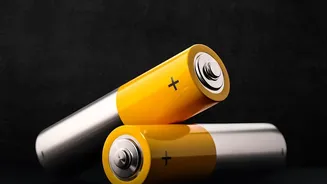
For years, lithium-ion batteries have powered everything from smartphones to electric scooters. But they have limitations, including the use of a flammable liquid electrolyte that poses safety risks and limits performance. Solid-state batteries (SSBs)
represent a monumental leap forward. As the name implies, they replace this volatile liquid with a solid material, like a ceramic or polymer. This simple change unlocks a host of benefits. SSBs are inherently safer, virtually eliminating the risk of fires that have been a concern for some EV owners. They also boast a much higher energy density, meaning they can store more power in a smaller, lighter package. This could translate to electric scooters with double the range without any extra weight, or more compact and affordable models for city commuting. Furthermore, they can handle faster charging speeds, with some prototypes achieving an 80% charge in less than 15 minutes.
The Manufacturing Challenge
While the promise of SSBs is immense, bringing them to mass production has been a significant challenge for scientists and engineers globally. The core issues lie in the manufacturing process itself. Creating a perfect, stable interface between the solid electrolyte and the solid electrodes is incredibly difficult. Any tiny imperfections can lead to the growth of dendrites—microscopic, needle-like structures that can cause short circuits and battery failure. Ensuring durability and a long cycle life has been another major hurdle, as the solid components can degrade or lose contact over many charge and discharge cycles. These technical difficulties have historically made SSBs expensive and hard to produce at scale, confining them mostly to laboratories and small-scale pilot projects. Until these manufacturing and reliability issues are solved, the cost benefits cannot be realized.
Smarter Testing Leads to Cheaper Production
This is where advanced testing comes in. Instead of relying solely on building and breaking physical prototypes, which is slow and expensive, manufacturers are turning to sophisticated simulation and non-destructive testing methods. Advanced software can model battery performance at a molecular level, allowing researchers to test thousands of different material combinations and cell designs digitally. This dramatically speeds up the research and development phase. On the production line, techniques like electrochemical impedance spectroscopy and high-resolution thermal imaging allow for precise quality control. These methods can detect microscopic flaws in the battery cells without having to take them apart. By identifying potential failure points early, manufacturers can refine their processes, reduce material waste, and improve production yields. This shift from physical trial-and-error to data-driven, predictive testing is crucial for making SSB manufacturing both reliable and cost-effective.
The Real-World Impact for India
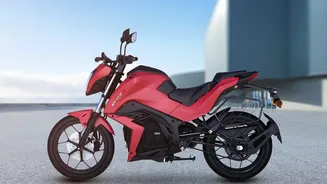
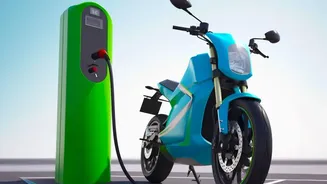
So, how does better testing slash costs for the Indian consumer? It’s a chain reaction. Faster R&D means new, improved battery designs reach the market quicker. Higher manufacturing yields mean fewer defective batteries are thrown away, reducing waste and the overall cost per unit. Better quality control results in batteries that are more reliable and last longer, reducing warranty claims and building consumer trust. As companies like ProLogium, Honda, and others begin to scale up mass production of SSBs, these efficiencies will lead to a significant drop in the single most expensive component of an electric two-wheeler: the battery pack. Some analyses suggest that transitioning existing battery factories to produce certain types of semi-solid-state batteries is far cheaper than building new facilities from scratch, further accelerating cost reduction. This will empower manufacturers in India to offer electric scooters and motorcycles that are not only safer and longer-range but also priced competitively against their petrol-powered counterparts.