





The term 'Lula's Army' evokes a powerful image of a movement that carried Luiz Inácio Lula da Silva from a prison cell to the presidency in 2022. This wasn't a literal army, but a sprawling, diverse coalition that grew in remarkable ways.
The Core Guard: From Prison Vigils to a Campaign
The story of
this 'army' begins at its smallest, most dedicated point. In April 2018, when Lula was imprisoned on corruption charges that were later annulled, his political career seemed over. Yet, a core group of supporters refused to let his political flame extinguish. These 'thousands' were the true believers: members of his Workers' Party (PT), trade unionists, and activists who maintained a constant vigil outside his prison. They organized, protested, and kept his name alive, forming the unwavering foundation upon which a larger movement could be built. These were not just voters; they were the guardians of his legacy, embodying a hope that he could return to lead the nation once more.
Reactivating The Old Guard
As Lula's return to the political stage became a reality, the next phase of growth involved reactivating his traditional allies. This meant mobilizing the powerful social movements that have long formed the backbone of the Brazilian left. Groups like the Landless Workers' Movement (MST) and the Homeless Workers' Movement (MTST), alongside major trade union federations such as the CUT, threw their organizational might behind his campaign. These groups, representing millions of rural and urban workers, students, and intellectuals, were crucial. They provided not just votes, but the grassroots infrastructure for street mobilization, rallies, and getting the vote out across the vast nation. This unification of the left was a critical step in scaling the movement.
The Strategic Pivot to the Center
Perhaps the most critical strategic decision in growing the 'army' from a leftist base into a national majority was the pivot to the center. To defeat the incumbent, Jair Bolsonaro, Lula needed to win over moderate and even conservative voters who were uneasy with the far-right but also skeptical of the Workers' Party. The masterstroke of this strategy was choosing his former political rival, Geraldo Alckmin, a pro-business centrist, as his running mate. This once-unimaginable alliance sent a powerful signal of moderation and a commitment to a broad-front government against Bolsonaro. It was a pragmatic move designed to reduce resistance among the business community and middle-class voters, effectively building a bridge to millions of Brazilians beyond his core support.
The Digital Battlefield: Mobilizing Online
In Brazil's highly polarized digital landscape, where his opponent had long held an advantage, Lula's campaign needed a new front. This came in the form of an aggressive digital strategy, largely credited to Congressman André Janones. He launched a WhatsApp channel explicitly named 'Exército do Lula', or 'Lula's Army'. This channel grew exponentially, reportedly swelling from around 60,000 to nearly 11 million subscribers in the crucial weeks of the campaign. Through this channel, Janones and the campaign team assigned supporters 'missions'—simple, shareable tasks like promoting hashtags and distributing campaign videos. This 'electoral gamification' gave millions of supporters a tangible way to participate, turning passive followers into an active digital force that helped counter misinformation and energize the voter base.
The Final Push: From Turnout to Victory
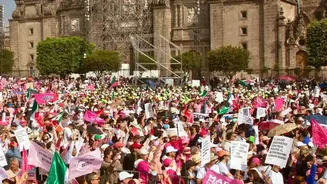
The final expansion of Lula's army was realized at the ballot box. Between the first and second rounds of the election, the campaign focused heavily on increasing voter turnout, especially in Lula's strongholds. This effort, combining massive street rallies in cities like São Paulo and Rio de Janeiro with relentless digital and grassroots mobilization, paid off. Abstention rates fell, and Lula gained over 10 million new votes in the runoff. The result was a narrow but historic victory, with Lula winning 50.9% of the vote against Bolsonaro's 49.1%. This final surge was the culmination of a strategy that united hardcore loyalists, traditional social movements, new centrist allies, and a vast digital network, transforming a small band of believers into an electoral force of over 60 million voters.