








The Dawn of the Micro-Break
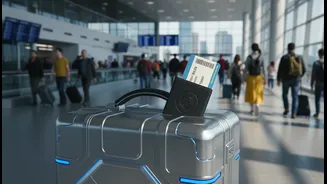
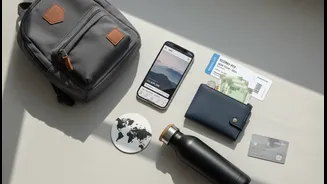
Forget the two-week annual holiday planned months in advance. A new travel trend is taking hold among young Indians, driven by a desire for regular escape without the logistical or financial weight of a grand tour. Welcome to the era of the 'micro-break'—a
short, intentional trip, typically lasting two to four days, designed to recharge batteries and provide a quick change of scenery. For Gen Z, this isn't just about a weekend getaway; it's a fundamental shift in how they view travel. Recent reports show this generation overwhelmingly prefers multiple short trips over one long one. It's a move from travel as a once-a-year event to travel as a consistent, integrated part of life.
An Antidote to Modern Burnout
The rise of the micro-break is deeply connected to the realities of modern work life. For a generation acutely aware of mental health and burnout, these short escapes serve as crucial pressure-release valves. The flexibility offered by hybrid and remote work models has been a significant catalyst, allowing young professionals to blend work with travel in what are often termed 'workcations'. A micro-break can be triggered by anything from a long weekend to a stressful week at work or simply a spontaneous plan with friends. This reflects a broader cultural shift where rest and personal time are no longer seen as luxuries to be earned, but necessities for maintaining well-being.
Hacking the Holiday Calendar
With a finite number of annual leave days, Gen Z has become masterful at 'leave stacking'. This involves strategically planning trips around public holidays and weekends to maximize time away from the desk while using minimal paid leave. A Friday off before a long weekend, or a Tuesday taken after a Monday holiday, can instantly create a four-day travel window. This approach makes travel more accessible and less disruptive to work schedules. It's a clever hack that allows for more frequent adventures throughout the year, rather than concentrating all leisure time into a single block.
Budget-Savvy by Design
Financially, multiple short trips often feel more manageable than one expensive holiday. Spreading travel costs across the year avoids the need for a large, one-time saving effort. Young Indian travellers are prioritising experiences over luxury, with many willing to cut back on daily expenses to fund their getaways. This mindset champions budget-friendly choices like hostels and homestays over pricey hotels, and using public transport to explore. The focus is on affordability that enables frequency. According to one report, seven in ten Gen Z travellers in India would rather take three short trips than one long holiday, underscoring this preference for repeated, smaller-scale experiences.
Redrawing the Travel Map
The micro-break trend is also changing where young Indians travel. The emphasis is shifting from ticking off major international landmarks to exploring accessible, domestic destinations. Places within a few hours' drive or a short flight are gaining immense popularity, including nearby hill stations, coastal towns, and cultural hubs. Recent data highlights destinations like Wayanad, Dehradun, and the Kerala coast as popular choices among Gen Z, selected for the experience they offer rather than their global fame. This generation actively seeks out unique, personal journeys, with a significant majority wanting to explore places that haven't become viral social media hotspots.